
Last updated November 15, 2026
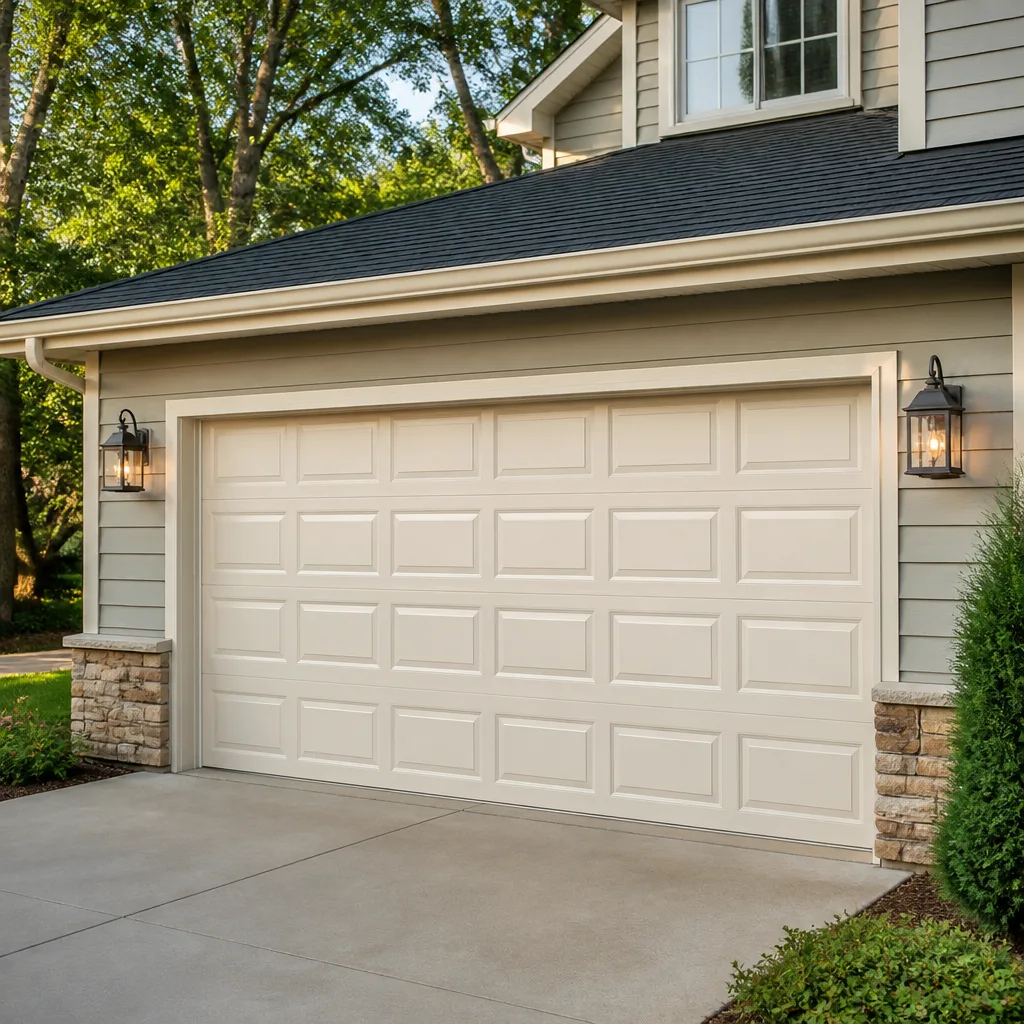 Raised-panel steel
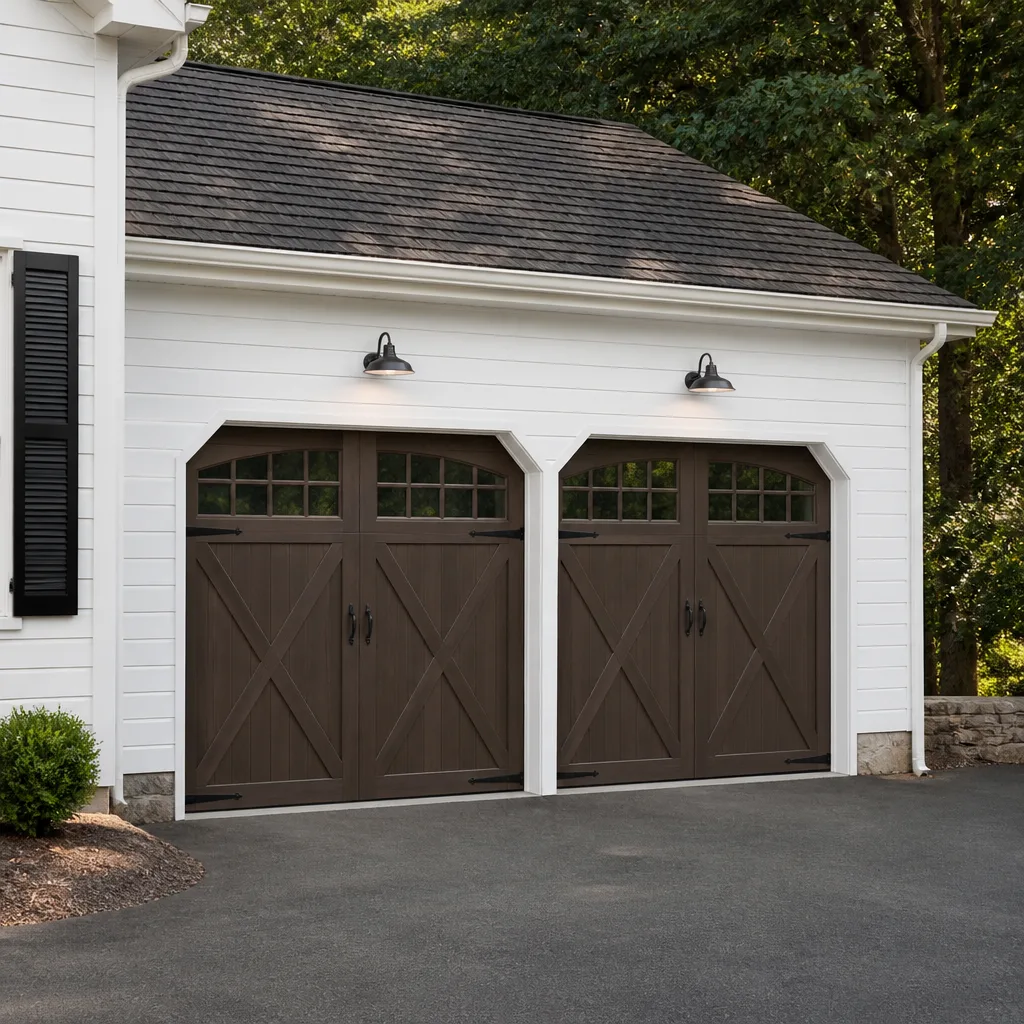 Carriage house
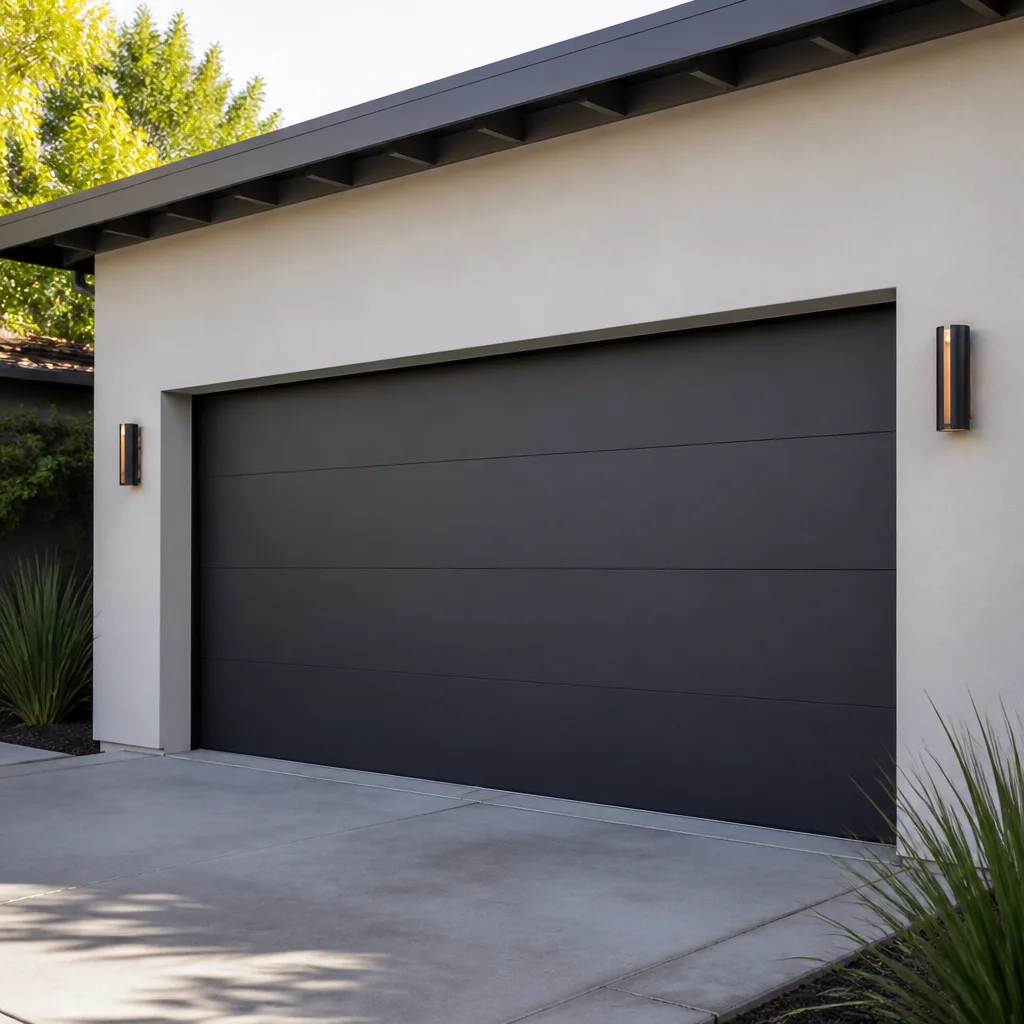 Modern flush
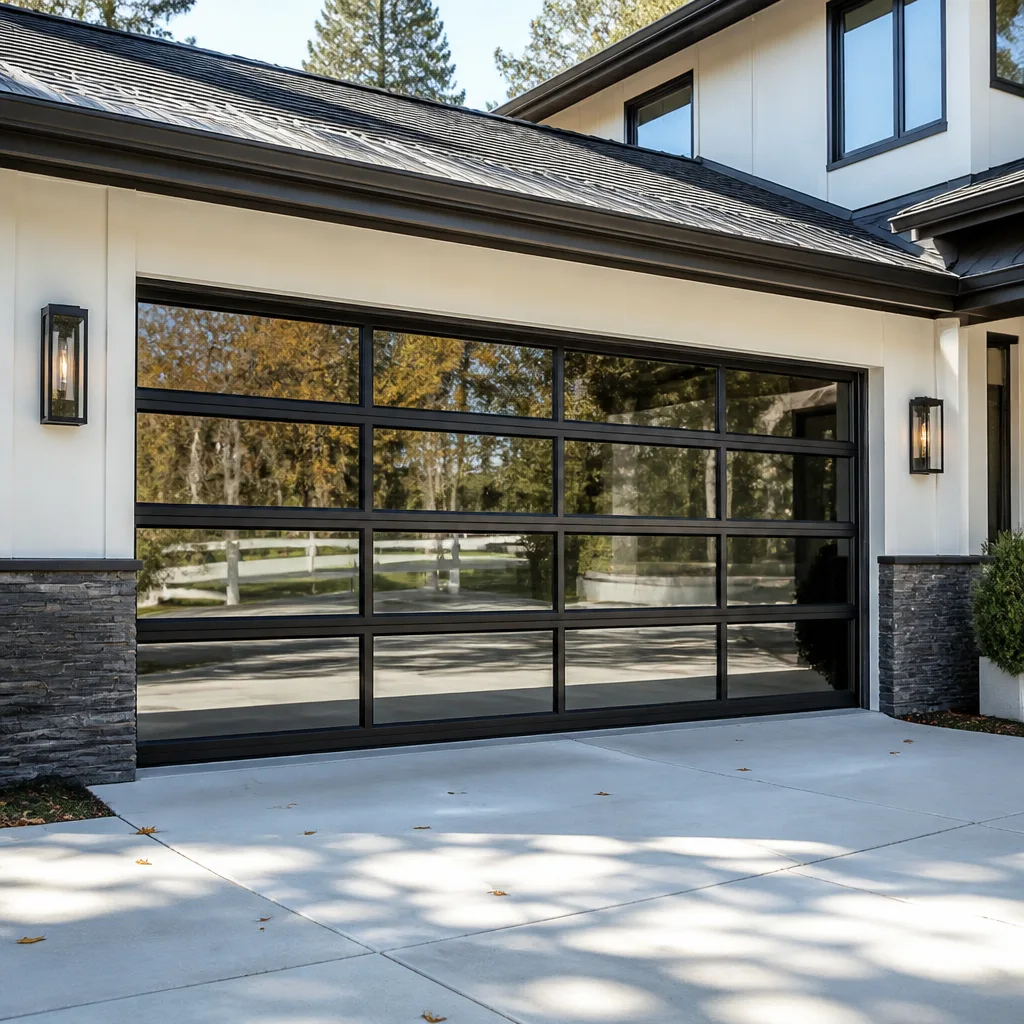 Full-view glass
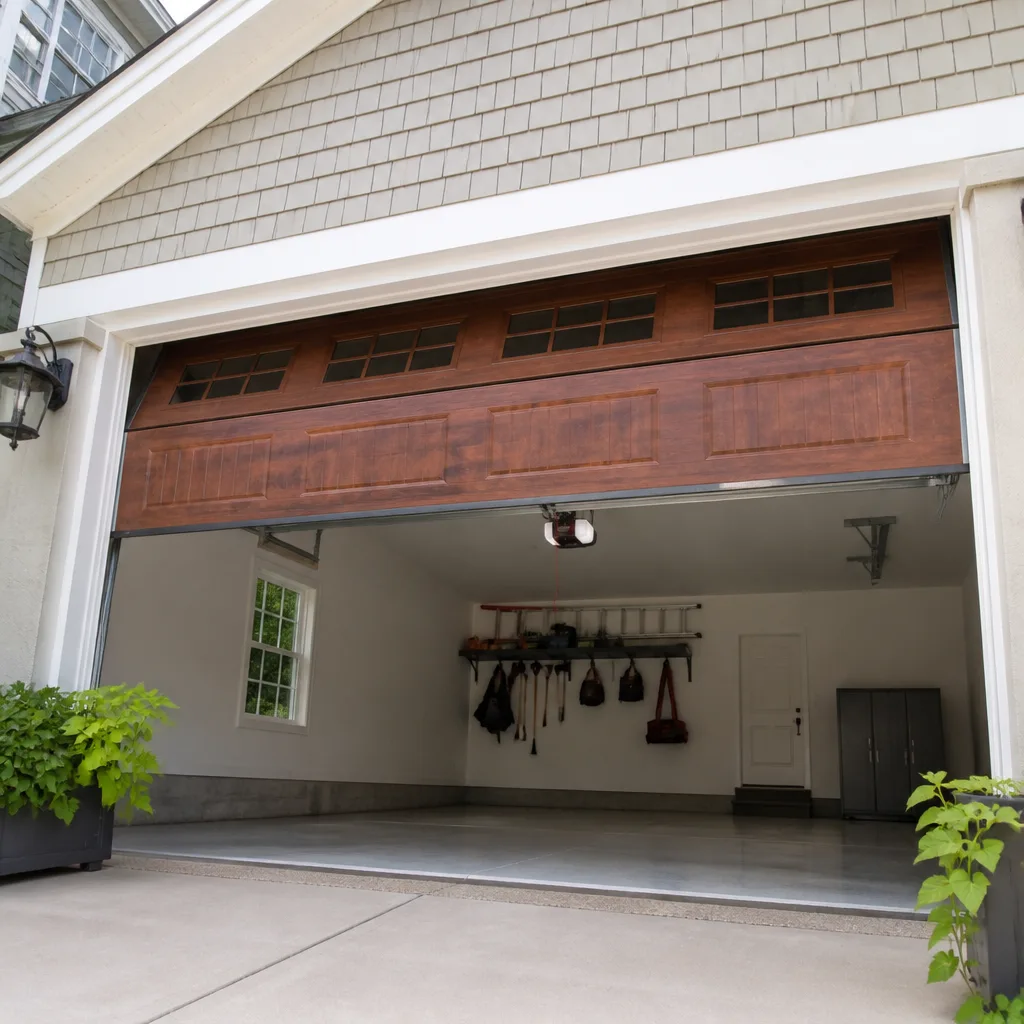 LiftMaster openers
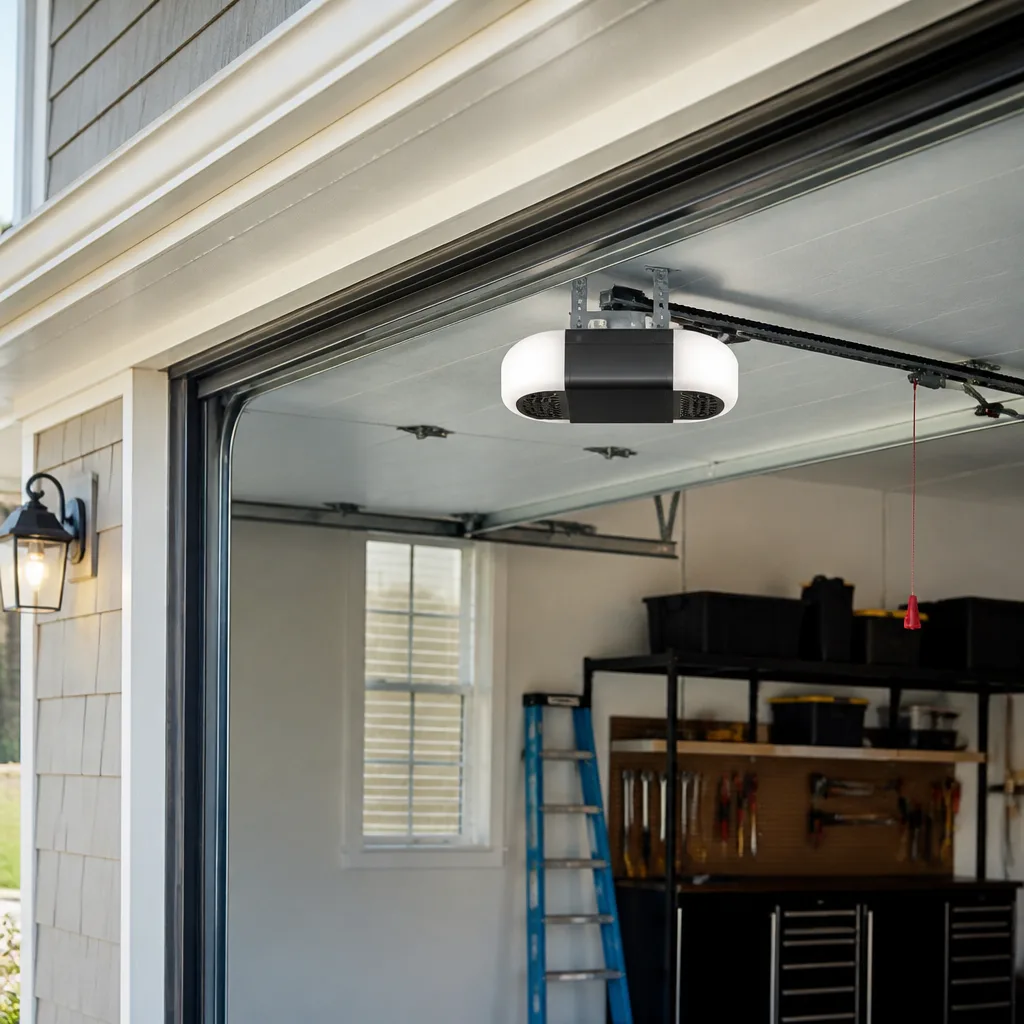 Chamberlain openers
Full 25-point door and opener safety check with every visit - springs, cables, rollers, tracks, and your LiftMaster or Chamberlain opener included
You get a price before we start. It does not change when the pro arrives.
Get your free estimateGarage Door Permits, Codes & Inspections in Jersey City, NJ: What You Need to Know
Here’s the part most homeowners get backwards: in Jersey City, swapping a garage door often doesn’t require a permit at all, but adding an opener with a new dedicated electrical circuit usually does. And because most people replace the door and add an opener in the same visit, the job that feels permit-free is actually the one that triggers a filing. The result is a lot of unpermitted electrical work sitting quietly behind a finished door, waiting to surface during a home sale inspection. This guide walks through what New Jersey’s code actually requires, how Jersey City processes these permits, what an inspector looks at, and how to close out work that was done without one.
Quick Answer
In Jersey City, replacing a garage door on its existing track and header generally doesn’t need a building permit, but installing a new opener that requires a new electrical circuit usually does, because it’s electrical work under the state’s Uniform Construction Code. Structural changes, new openings, and fire-rated doors between the garage and living space need permits too. When in doubt, ask Jersey City’s Division of Building + Housing directly, and get any electrical work done by a licensed electrician.
Styles & brands we work with
- Raised-panel steel
- Carriage house
- Modern flush
- Full-view glass
- LiftMaster openers
- Chamberlain openers
Table of Contents
- What the NJ UCC Requires for Door Replacement vs. Opener Installation
- How Jersey City’s Division of Building + Housing Handles Garage Permits
- What Inspectors Actually Check
- How to Permit Work Done by a Previous Owner Before a Sale
- Condo and Multi-Family Buildings: Who Files the Permit?
- How Jersey City’s Climate Affects Your Door and Your Inspection
- Why Your Homeowner’s Insurance Cares
- A Step-by-Step Permit Checklist
What the NJ UCC Requires for Door Replacement vs. Opener Installation
New Jersey’s Uniform Construction Code splits work into categories, and the category determines whether a permit gets filed. For garage doors, the split is cleaner than most people expect. A like-for-like door replacement, where the opening, header, and tracks stay the same and you’re swapping panels or a complete door of the same size, usually falls under ordinary maintenance and doesn’t require a construction permit. The moment you change the opening, alter the header, add reinforcement for a heavier door, or install a fire-rated door between the garage and living space, you’ve crossed into work that needs a filing.
Opener installation is the tricky half. Mounting a new opener on existing framing and plugging it into an existing outlet is generally treated as ordinary maintenance. Running a new dedicated circuit from the panel to the ceiling of the garage is electrical work, and electrical work requires a permit and a licensed electrical contractor in New Jersey. That’s the combination most homeowners choose, because a new opener on an old circuit often trips breakers or shares a line with lighting.
So the practical rule for Jersey City looks like this:
- Door only, same size, same opening: usually no permit.
- Door plus opener on existing wiring: usually no permit.
- Door plus opener plus new dedicated circuit: electrical permit required.
- New opening, wider door, or header changes: building permit required.
- Fire-rated door between garage and living space: building permit required.
Those are the general categories, not a ruling on your specific house. Jersey City’s code office makes the final call, and it takes a phone call to get a straight answer. We tell every homeowner the same thing: ask before you buy, not after. A two-minute call to the building department beats discovering the problem at closing.
How Jersey City’s Division of Building + Housing Handles Garage Permits
Jersey City’s Division of Building + Housing is the office that reviews and issues construction permits for the city, and it runs on the state’s electronic permitting system rather than a paper counter. That matters for how a garage door permit actually gets filed. Most filings here are submitted online through the state system, reviewed by the city’s code officials, and issued with an inspection schedule attached. You don’t need to be a contractor to submit, though most homeowners let the contractor file, because the filing party is the one who has to appear for inspections.
What’s different about Jersey City compared to smaller municipalities in the region is volume and review time. This is a dense city with a lot of two-, three-, and four-family buildings, and the building office sees a steady stream of filings across every trade. Garage permits are a small slice of that workload, which cuts both ways: the review itself is usually straightforward, but the timeline depends on how backed up the queue is when you file.
Two things help a Jersey City filing move:
- File through the state’s online portal with clear scope language. Vague descriptions (“garage work”) get kicked back. Write exactly what’s happening: door replacement, opener installation, or new circuit.
- Know who the filing party is. If your contractor files, they’re responsible for scheduling and passing inspections. If you file as the homeowner, that responsibility lands on you.
If you’re unsure which category your job falls into, call the Division of Building + Housing before you buy the door. The door itself is a fixed purchase once it’s ordered, and an opening that doesn’t match what the code allows is an expensive lesson.
What Inspectors Actually Check
An inspection on a garage-related permit isn’t a general walkthrough. It’s targeted at the specific code items the permit was pulled for, and for garage doors those items cluster around safety and structure. Knowing what’s on the list lets you understand why a technician does what they do, even if the work itself should stay in trained hands.
Entrapment protection. This is the big one. Modern openers are required to have a reversing mechanism, either a pressure sensor in the operator or a photo-eye beam across the opening, and both are checked. A door that closes on an object without reversing fails. If you have a Genie or LiftMaster opener with a beam that’s been knocked out of alignment, the opener won’t pass until it’s fixed. This isn’t a minor detail; it’s the safety feature that prevents a door from closing on a person or pet.
Header and structural load. The header is the beam above the garage opening that carries the weight of the wall and the door’s track assembly. An inspector looks at whether the header is adequate for the door’s weight and whether any alteration compromised it. A heavier door, such as an insulated Clopay or Amarr model, puts more load on the header and the springs than the original door did.
Fire-rated doors between garage and living space. If your garage shares a wall with living space, the door between them, and the wall itself, are fire-rated assemblies. An inspector checks that the door is the correct rating, that it self-closes and self-latches, and that no one has cut into or replaced it with a standard door. This is one of the most commonly flagged items in Jersey City’s older multi-family buildings, where a previous owner may have swapped in whatever was on hand.
Electrical connections. If the permit included a new circuit, the electrical inspector checks the panel, the wiring method, and the disconnect. This is licensed electrician territory, full stop. Low-voltage control wiring for the opener’s wall button and safety beam is generally not the same thing as the line-voltage circuit feeding the motor.
How to Permit Work Done by a Previous Owner Before a Sale
Most unpermitted garage work in Jersey City wasn’t done by the current owner. It was done years earlier and inherited with the house. When a buyer’s inspector flags it, the sale stalls until the work is either permitted retroactively or removed. The good news is that retroactive permitting is a normal process, and code offices handle it routinely. The bad news is that it takes time, so it’s not something to start the week of closing.
Here’s how the process typically runs:
- Find out what was actually done. Pull the property’s permit history through Jersey City’s building department. If there’s no record of a garage permit for the work in question, you know it’s unpermitted.
- Have the work inspected as-is. The code official reviews what’s there against current code. Some work passes as-is; some needs correction first.
- Make any corrections. That might mean bringing the entrapment protection up to standard, correcting the electrical connection, or replacing a non-rated door between the garage and living space.
- File the retroactive permit and pass the inspection. Once the work meets code, the permit is issued and inspected, and you get a closed-out record you can show a buyer.
The order matters. Filing before you know what’s wrong just creates a paper trail of a problem. Have the setup looked at first, understand what corrections are needed, then file with a clear scope. If the work involves the electrical circuit or anything structural, bring in the licensed trades before the filing, not after. Retroactive permitting is a project, not a phone call.
Condo and Multi-Family Buildings: Who Files the Permit?
Jersey City has a lot of condos and multi-family buildings, and garage permits here get complicated by ownership. The first question is always the same: what does the structure belong to? If you own a private garage attached to a single-family home, the permit is yours to file. If your garage is part of a shared structure, a common element, or a deeded parking spot beneath a condo building, the association or building owner controls the structure and usually the permit.
The dividing line:
- Attached private garage, single-family home: homeowner files.
- Detached garage on your own lot: homeowner files.
- Shared garage structure in a condo or co-op: the association files, because the structure is a common element.
- Garage door serving a building’s shared entry: building owner or association files.
If you’re not sure who’s responsible, read your condo documents before you call anyone. The master deed and bylaws spell out which parts are common elements and which are unit-owned, and the answer usually lives there. Doing the work without clarifying that first can mean paying for a door the association then requires you to change, or filing a permit on a structure you don’t actually control.
How Jersey City’s Climate Affects Your Door and Your Inspection
Jersey City sits in a climate with real seasonal swings: humid summers, cold winters, and plenty of freeze-thaw cycling through the colder months. That matters for a garage door more than people realize, and it also matters at inspection time. Springs lose tension in cold weather, and a door that balanced fine in July can feel noticeably heavier in January. Track alignment shifts as the ground moves through freeze-thaw, and a door that passed its inspection in the fall might rub the track by spring. Lubrication dries out in the summer heat and stiffens in the winter cold.
What inspectors and technicians both care about is that the door operates correctly under real conditions, not just on a mild day. The entrapment protection has to work when the door is heavy, which is exactly when it’s most likely to fail if the springs are weak or the balance is off. A door pulling hard against the opener’s resistance can trip the pressure sensor and reverse for no obvious reason, and the homeowner assumes the opener is broken when the real problem is the door.
We see this pattern across garage door repair work in Jersey City: a door and opener that worked fine all summer starts acting up in the first cold snap, and the homeowner calls thinking it needs replacement. Usually it needs spring or balance attention, not a new door. That’s the value of a technician who services the actual brand and the full system, door plus drive, rather than guessing. Our technicians have up to 11 years of experience with the components on the market, including Wayne Dalton, Amarr, Clopay, and Genie, and they diagnose what’s there before recommending anything.
Why Your Homeowner’s Insurance Cares
Homeowner’s insurance doesn’t usually care about a garage door as a standalone object. It cares about the structure the door belongs to, and that’s where unpermitted work gets expensive. Most policies contain language about code compliance and about excluding coverage for structures or additions that weren’t permitted or properly built. Whether a specific unpermitted garage door triggers that exclusion depends on your policy, but the risk is real enough that it’s worth knowing where you stand before a claim, not after.
The more common pain happens at sale. A buyer’s inspector flags a garage door or opener that was replaced without a permit, and closing pauses while you either permit the work retroactively or negotiate the price down. In a market like Jersey City’s, where buyers are already scrutinizing older buildings carefully, unpermitted garage work is exactly the kind of thing that turns a routine inspection into a delay.
Insurance agents don’t inspect your garage door, and they won’t ask if the opener circuit was permitted. The question surfaces when there’s a claim, when there’s a sale, or when the city gets involved. The cheapest time to sort it out is before any of those things happen. If you’ve inherited unpermitted work, a call to the building department to understand what you’re dealing with costs nothing.
A Step-by-Step Permit Checklist
If you’re planning a garage door or opener project in Jersey City, run through this list before you buy anything. It takes an hour and saves weeks.
- Write down exactly what’s changing. Door size change, opener addition, new circuit, fire-rated door replacement. The scope drives everything else.
- Call Jersey City’s Division of Building + Housing. Ask directly whether your specific scope needs a permit. Don’t guess and don’t take a neighbor’s word for it.
- Check the property’s permit history. If work was done before you owned the home, find out what’s on record. A closed-out permit is the only proof that matters.
- Hire licensed trades for the electrical side. A new circuit is licensed electrician work, always. A garage door opener repair on an existing circuit is a different job entirely.
- File through the state’s electronic permitting system. Use the exact scope language. Filing under “garage work” invites a rejection.
- Schedule the inspections before the work is covered up. Electrical inspections happen before drywall goes back, or before the connection is hidden.
- Get the closed-out permit in writing. That document is what you show a buyer, an insurer, or a future permit office.
The whole system runs on the idea that a permit is proof of work, not punishment for it. Jersey City’s code office isn’t looking for reasons to make your life hard. It’s making sure that when something goes wrong later, there’s a record of who did what and that it met the standard at the time.
We work with homeowners across Jersey City whose doors and openers are well past the point where a visual check tells you much. Repair-first is how we approach every job: figure out what’s actually failing, whether that’s the door, the opener, or both, and fix what’s broken. When a permit is part of the picture, we’ll tell you to call the building department before we start. That’s a conversation worth having early.
Common Mistakes to Avoid
- Assuming a door replacement is always permit-free. It’s usually true for a like-for-like swap on the existing opening, but not when the size, header, or fire rating changes. The scope decides, not the word “replacement.”
- Adding a new opener circuit without an electrical permit. This is the single most common unpermitted garage project in Jersey City, and the one most likely to be flagged. Electrical work needs a licensed electrician and a permit.
- Trusting a previous owner’s reassurance. “It was all permitted, I’m sure” isn’t proof. Pull the permit history. If there’s no record, there’s no permit, regardless of what you were told.
- Filing with a vague scope description. Jersey City’s building office reviews what you write. “Garage door work” gets sent back. Write the scope precisely.
- Waiting until closing to sort out unpermitted work. Retroactive permitting takes time and inspection scheduling. Starting the week of closing is how deals fall apart.
- Skipping the fire-rated door check. A standard door swapped into a fire-rated opening between the garage and living space is a code violation and one of the most commonly missed items in older multi-family buildings.
- Assuming the association will handle it. In a condo, the association owns common elements, but nobody files a permit on your behalf without you telling them what’s happening. Confirm responsibility before the work starts.
See the difference
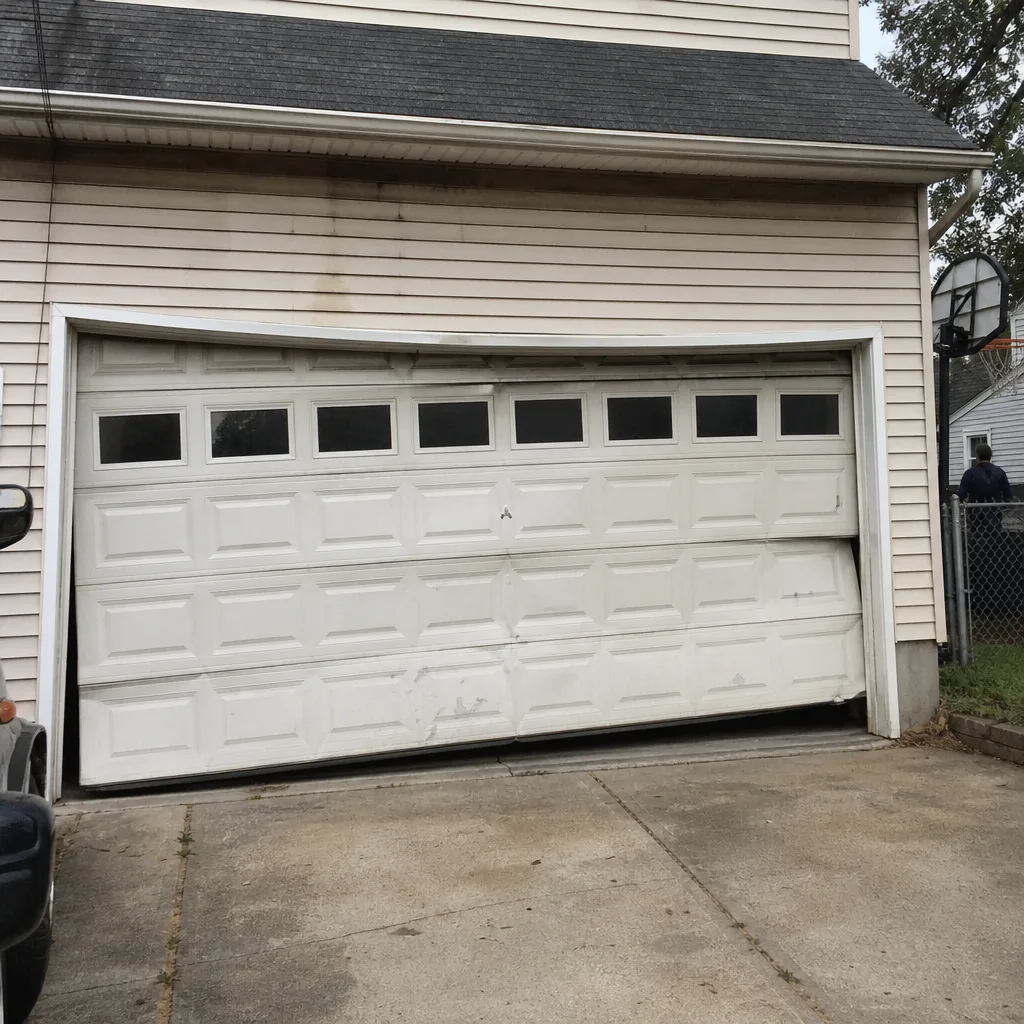 Before
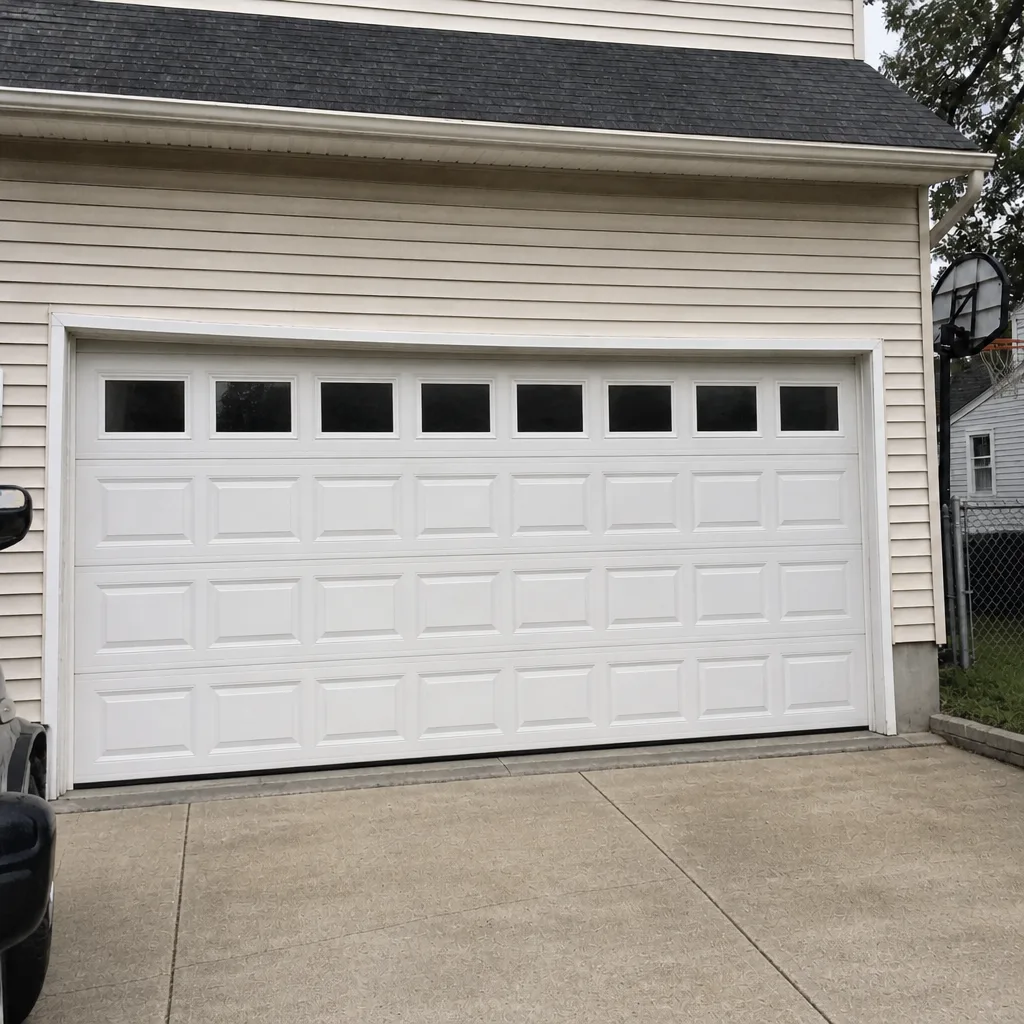 After
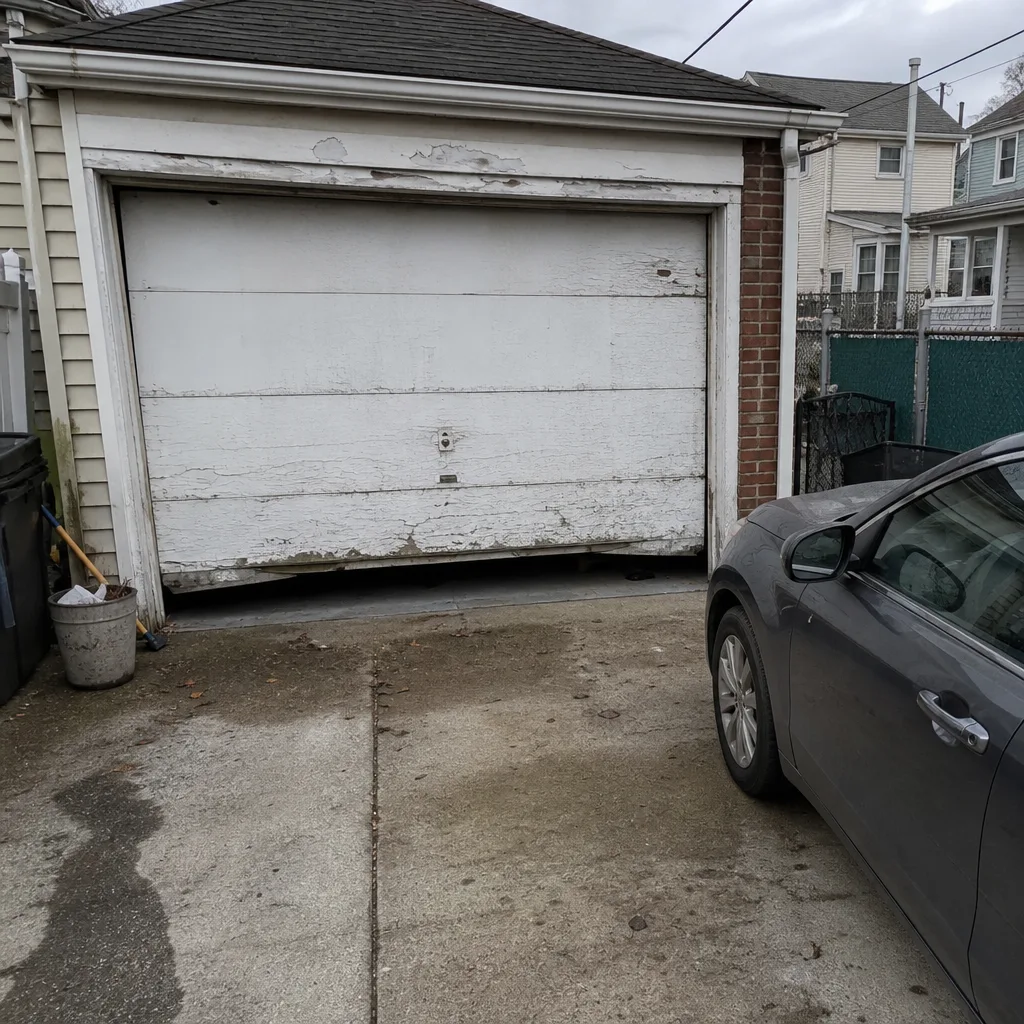 Before
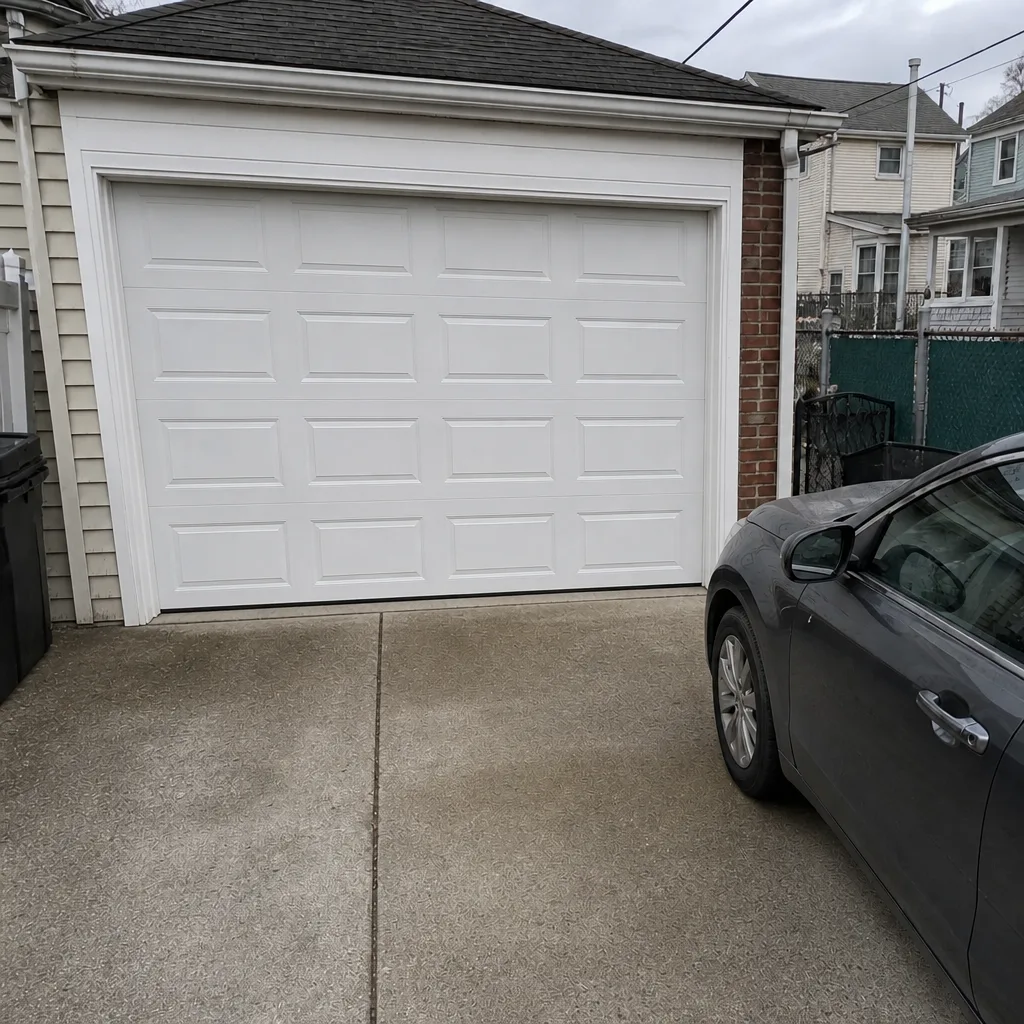 After
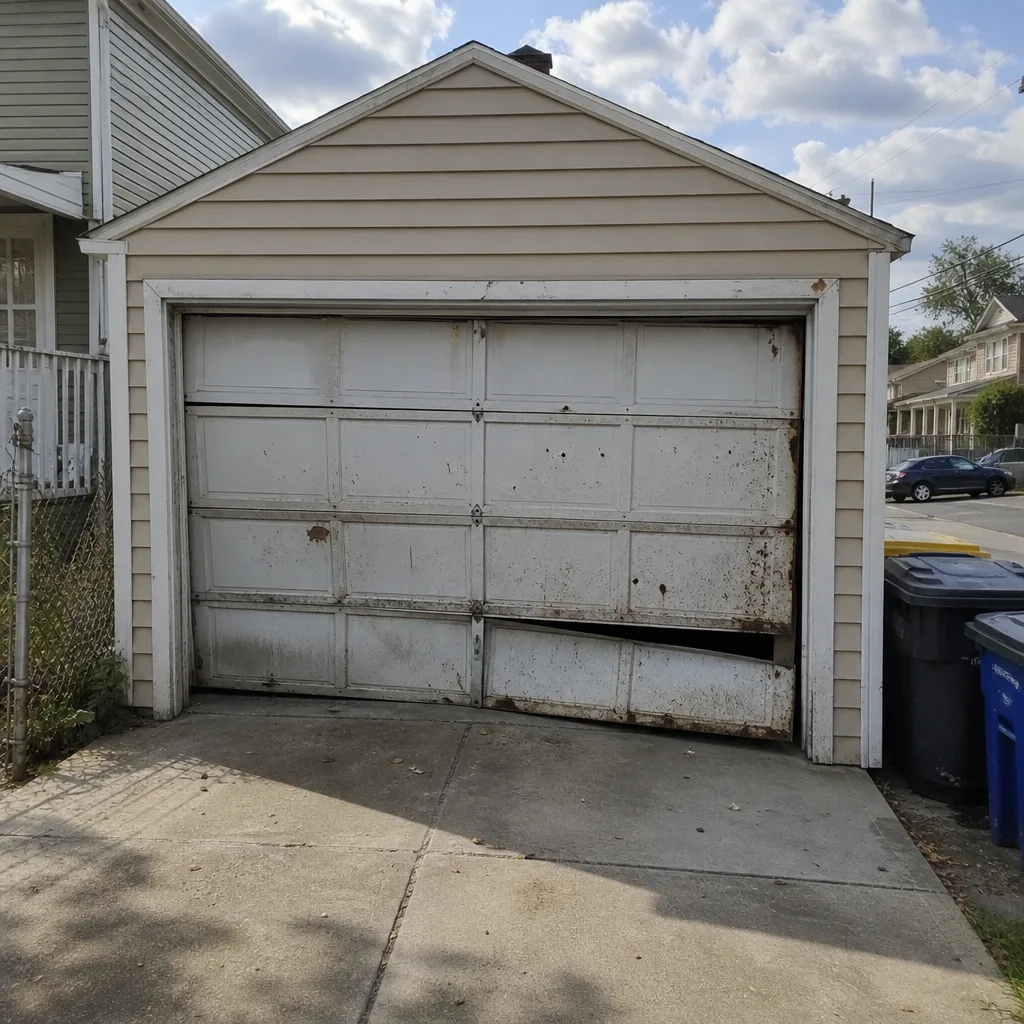 Before
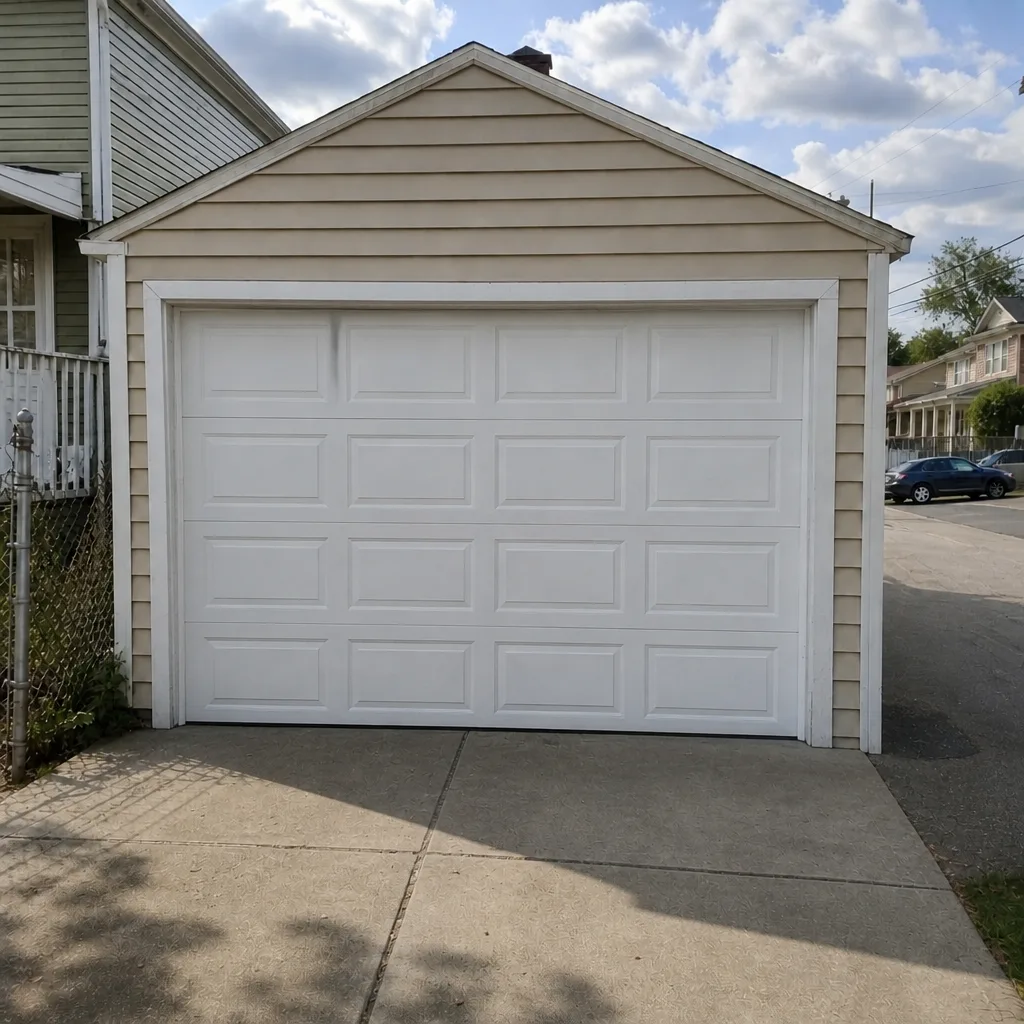 After
When to Call a Professional
Call a professional when the door or opener is doing something you wouldn’t want to be standing under while you test it. A spring that’s lost tension, a door that comes off the track, an opener that reverses at random, a door that won’t close all the way: all of these involve components under load, and garage door springs and cables are genuinely dangerous to handle without the right tools and training. The same goes for anything electrical at the opener’s connection to the house. We don’t give step-by-step instructions for adjusting springs or wiring circuits, because the risk to you isn’t worth it, and a trained technician can diagnose the whole system, door and drive, in one visit.
Jasper Garage Door Repair offers free estimates in Jersey City. Call (855) 754-6007. We answer 24/7. Fast dispatch from 7am to 7pm, Sunday through Friday.
If your project also involves a permit question you can’t quite resolve, we can help you understand what the work involves so you can have a clearer conversation with the building department. We work on the door and the opener. We’ll tell you when the answer to your problem lives at city hall instead of in the garage.
Frequently Asked Questions
Usually not, if the replacement is the same size on the same opening with no structural changes. You do need a permit if the opening or header changes, if you’re adding a door where there wasn’t one, or if you’re replacing a fire-rated door between the garage and living space. Call Jersey City’s Division of Building + Housing with your specific scope to be certain, because the categories are general and the code office makes the final call.
It depends on the electrical side. Mounting an opener on existing wiring is typically ordinary maintenance, but running a new dedicated circuit from your electrical panel to the garage ceiling is electrical work that requires a permit and a licensed electrician. Most new opener installations include a new circuit, which is why the combination usually triggers a permit even though the door replacement alone wouldn’t.
The buyer’s inspection can flag it, and the sale stalls until the work is permitted retroactively or the price is negotiated down. That’s why pulling the property’s permit history before you list is worth doing. If the work was done by a previous owner, it’s still your problem at sale time, and retroactive permitting takes inspection scheduling and corrections, so start early rather than the week before closing.
The association or building owner files if the garage is part of a shared structure or a common element. In a single-family home with an attached or detached private garage, the homeowner files. Check your master deed and bylaws to confirm which parts are unit-owned and which are common elements, and confirm responsibility with the association before any work starts.
They check entrapment protection (the reversing mechanism and photo-eye beam), the header and structural load above the opening, whether a fire-rated door between the garage and living space is the correct rating and self-closes, and, if the permit included electrical work, the panel and wiring method. A door that fails to reverse on contact is a hard fail regardless of everything else.
Often, yes. The code official inspects the work as it exists against current code. Some work passes as-is; some needs corrections first, like bringing entrapment protection up to standard or fixing an electrical connection. Once it meets code, the permit is issued, inspected, and closed out, and you have documentation for a future sale. Have the setup evaluated first so you know what corrections are needed before you file.
Still unsure where your project lands? Call (855) 754-6007 for a free estimate on the door and opener work, and we’ll help you figure out whether the permit question needs the city’s answer first.
The Bottom Line
The rule that surprises most Jersey City homeowners is that the door replacement is often the permit-free part, and the opener circuit is the part that triggers a filing. Knowing which is which before you buy saves you the retroactive headache later. Pull your property’s permit history before you list, confirm fire-rated doors between the garage and living space are correct, and let licensed electricians handle anything that touches the panel. When the door or opener needs work, a technician who knows the brand you already have can tell the difference between a repair and a replacement. That’s what we do.
Have a door or opener that needs attention, or want a straight answer on what the work involves before you deal with the building department? Call Jasper Garage Door Repair at (855) 754-6007 for a free estimate. We answer 24/7. Fast dispatch from 7am to 7pm, Sunday through Friday. You’ll get a clear diagnosis, a written price before any work starts, and no pressure to replace what we can repair.
Written by the team at Jasper Garage Door Repair.