
Last updated November 15, 2026
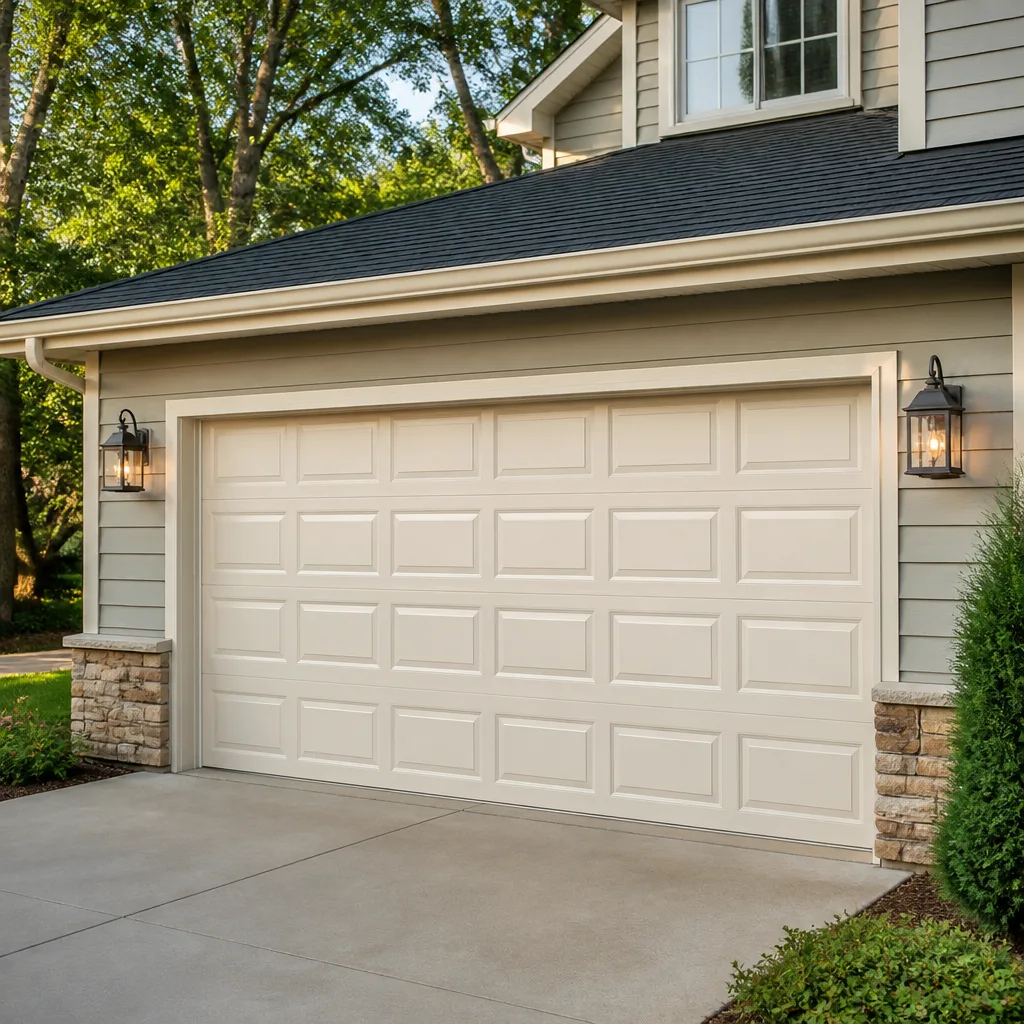 Raised-panel steel
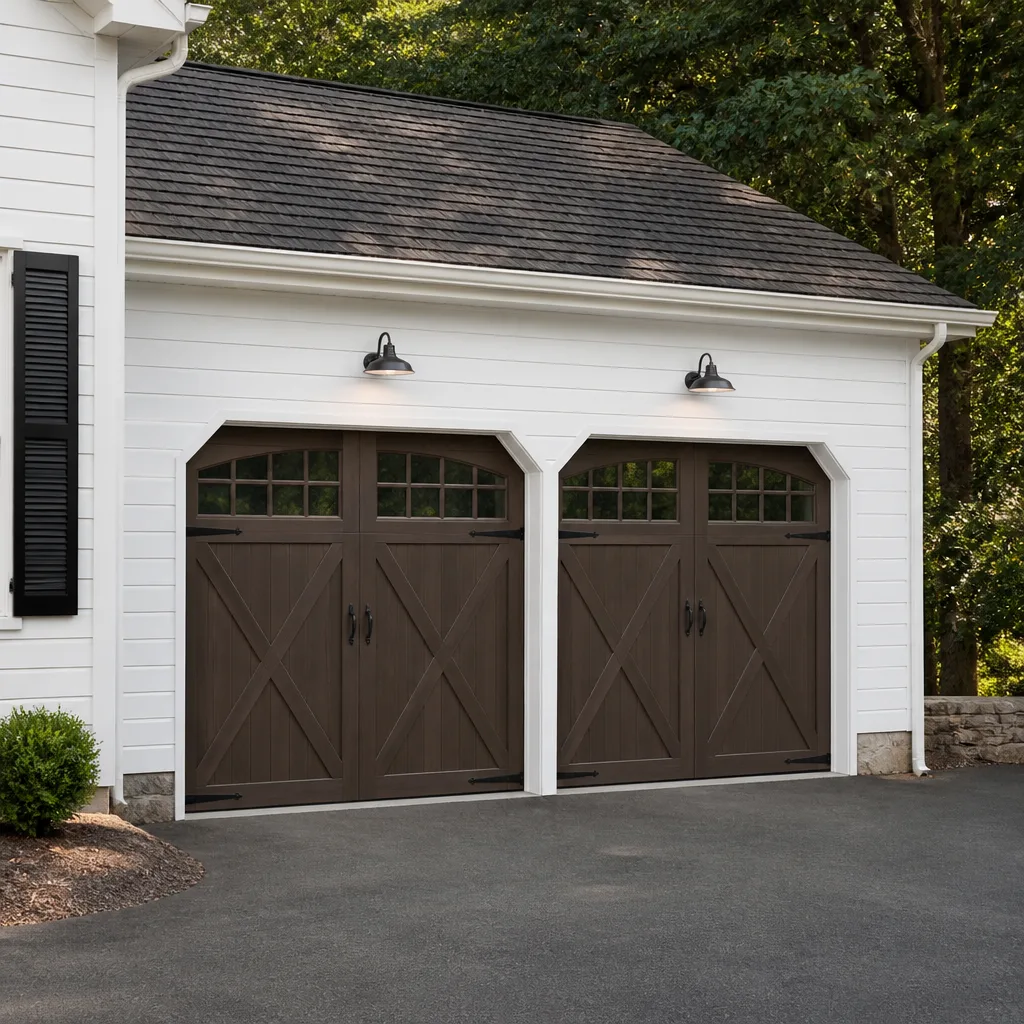 Carriage house
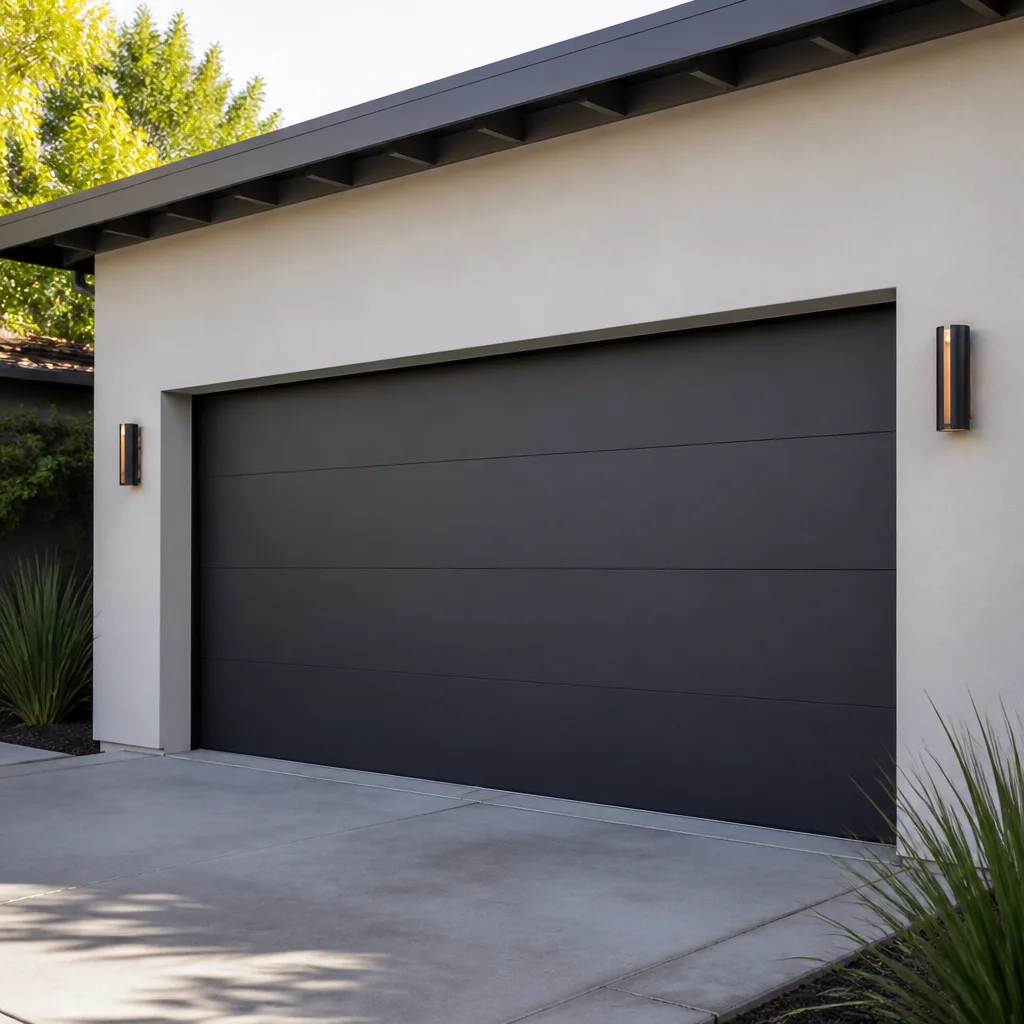 Modern flush
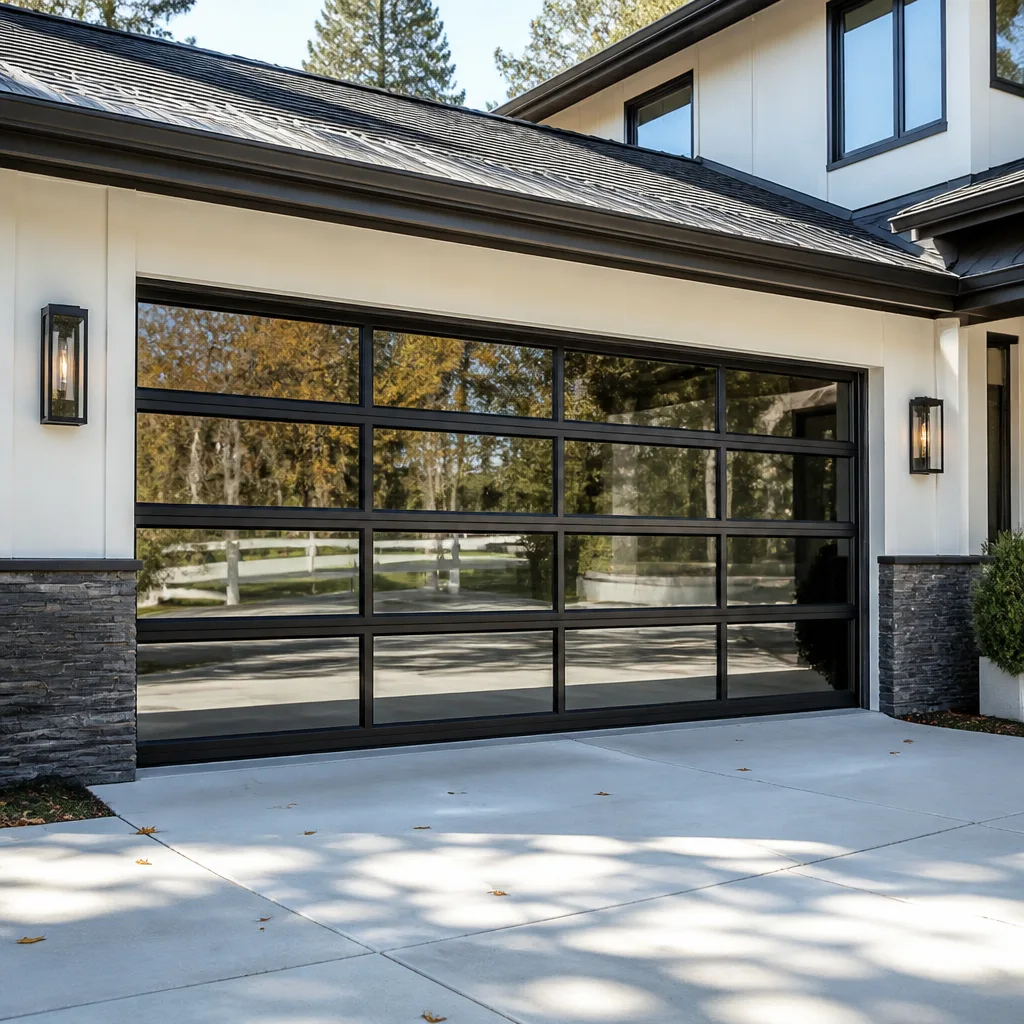 Full-view glass
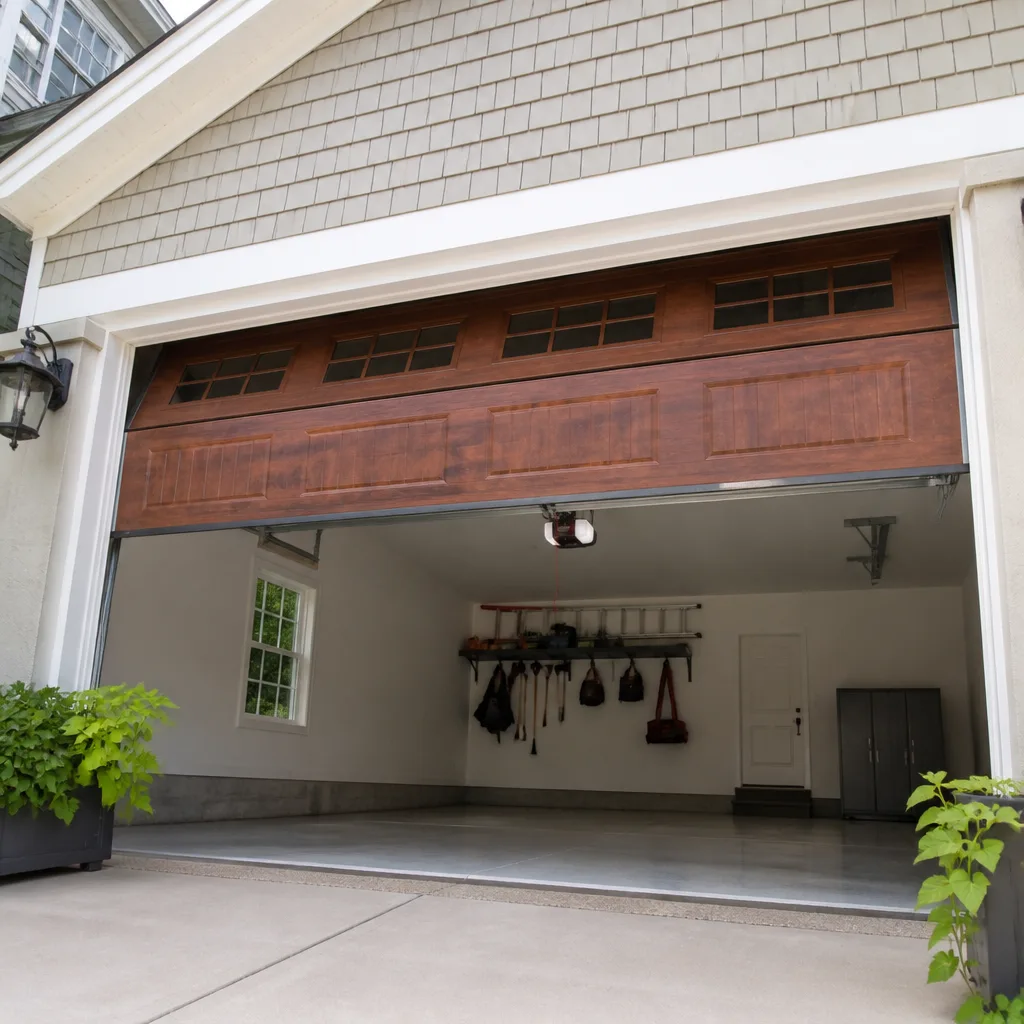 LiftMaster openers
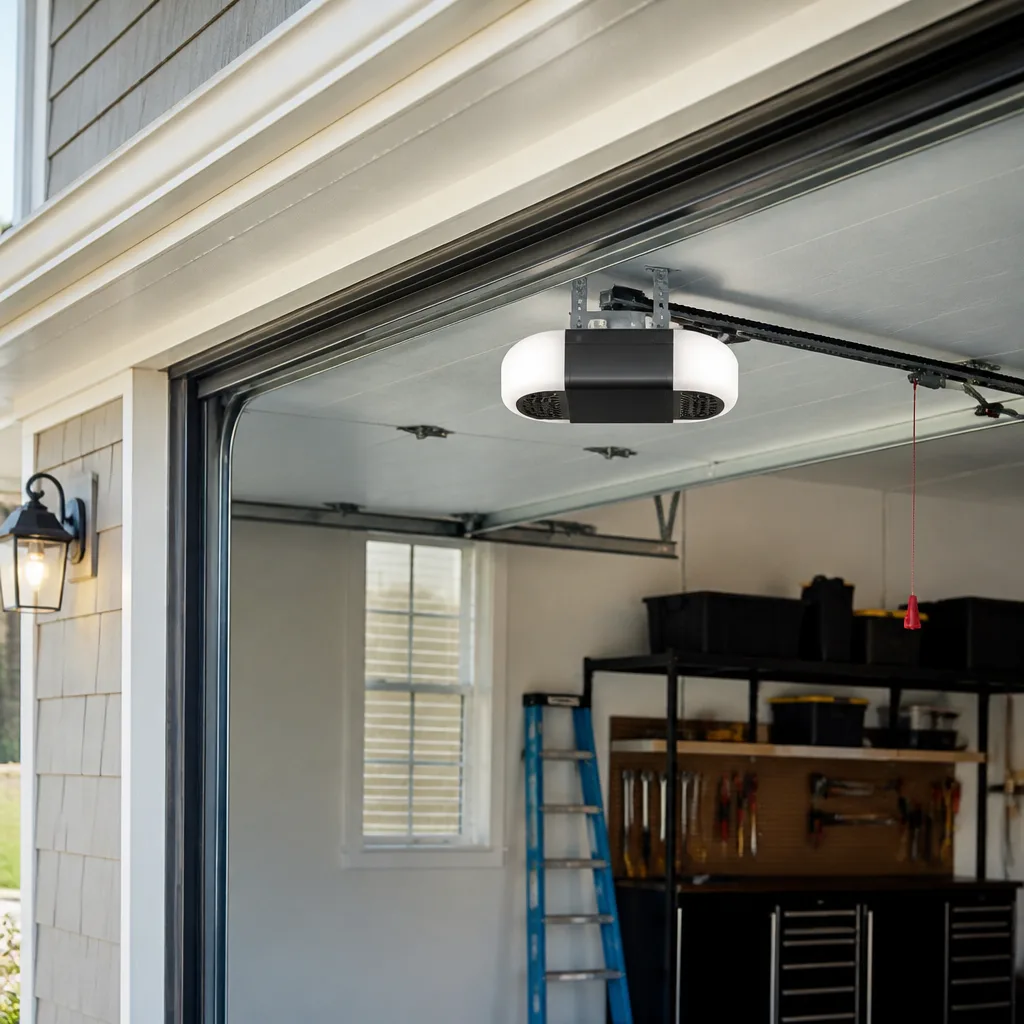 Chamberlain openers
Full 25-point door and opener safety check with every visit - springs, cables, rollers, tracks, and your LiftMaster or Chamberlain opener included
You get a price before we start. It does not change when the pro arrives.
Get your free estimateGarage Door Repair Maintenance Schedule: What to Do and When
If you lubricated your garage door last spring and haven’t touched it since, there’s a good chance you over-lubricated the wrong parts and skipped the ones that actually needed it. Most maintenance advice tells you to “service your door twice a year” and leaves it there. That calendar-based approach doesn’t match how doors really wear. A door in Jersey City that cycles eight times a day ages very differently from one that opens twice. This guide replaces the generic schedule with one built around usage cycles and seasonal stress: what to lubricate and what to leave alone, the sixty-second balance test that catches a failing spring months before it snaps, and how to log everything so a technician can diagnose your door faster.
Quick Answer
A garage door needs a quick visual and balance check every month, lubrication and hardware tightening every six months or roughly every 500 to 1,000 cycles, and a full professional inspection once a year. Base the schedule on how often you use the door, not on the month on the calendar. Doors that open more than six times a day should be on the shorter end of every interval.
Styles & brands we work with
- Raised-panel steel
- Carriage house
- Modern flush
- Full-view glass
- LiftMaster openers
- Chamberlain openers
Table of Contents
- Usage-Based vs. Calendar-Based Maintenance
- Jersey City Seasonal Stressors and Your Door
- What to Lubricate, What to Never Touch
- The 60-Second Monthly Balance Test
- Your Monthly Maintenance Checklist
- The Annual Professional Inspection
- How to Log Maintenance So It Actually Helps
- Brand Reality: Why the Schedule Shifts by System
Usage-Based vs. Calendar-Based Maintenance
Garage doors are rated in cycles, not years. A cycle is one full open and close. The industry standard spring life sits in the tens of thousands of cycles, which sounds generous until you do the math. If your door opens and closes eight times a day, you’ll log around 2,900 cycles a year and hit a spring’s working limit far faster than a two-person household that leaves the house once a day. That’s why “twice a year” advice misleads people. It treats all doors as if they live the same life.
Here’s how to think about intervals instead. Count how many times your door cycles on a normal day, and set your maintenance rhythm from that number:
- 1 to 3 cycles a day: a visual check monthly, lubrication and hardware check every six to nine months.
- 4 to 6 cycles a day: a visual check monthly, lubrication and hardware check every five to six months.
- 7 or more cycles a day: a visual check monthly, lubrication and hardware check every three to four months.
Multi-driver households, home businesses, delivery drops and anyone who parks two cars and moves them often fall into the heavy-use category. In Jersey City, where driveways are sometimes tight and a single car has to be moved to let another out, we see plenty of doors that cycle far more than their owners realize. Keep a simple tally for a week. You’ll likely find the door works harder than you assumed, which means your maintenance rhythm should tighten up to match. Once you know your real cycle count, book a garage door repair inspection if anything on the door is already dragging, grinding or sticking, since a worn system wears faster the longer it’s ignored.
Jersey City Seasonal Stressors and Your Door
A maintenance schedule written for a mild climate doesn’t fit New Jersey. The freeze-thaw cycle alone does real work on a door’s soft parts. Water collects around the bottom seal, freezes overnight, expands, and thaws during the day. Repeat that through a Jersey City winter and the bottom seal is the first component to split, curl or pull away. Once the seal is compromised, cold air and moisture get behind the door and start working on the panels and threshold.
Road salt is the second seasonal factor. This isn’t about the coast; it’s about salted streets and the grit that ends up on your car and driveway. Salt-laden slush splashes up and migrates into the door tracks. Left there, that residue turns into a gritty paste that grinds against the rollers every time the door moves. Wiping the tracks down and clearing the bottom of the door after heavy salt use is one of the most overlooked maintenance tasks in the city.
Summer brings the opposite problem. Humidity swells wood overlays on steel doors, especially two-piece door designs where wood or composite trim sits over a steel frame. Swollen panels can bind, and the door starts to hang or rub. Clopay and Amarr doors with overlay or carriage-style construction are worth checking closely as humidity climbs. Wayne Dalton doors with older wood-composite panels fall into the same category. In our experience, a door that runs smoothly in April can start to catch by August for no obvious reason. It’s often the overlay, not the mechanism.
Build the seasons into your maintenance schedule:
- Late fall (before the first hard freeze): check the bottom seal for cracks and the threshold for gaps.
- Mid-winter: clear salt and grit from the tracks and wipe the bottom seal.
- Late spring (before humidity peaks): inspect wood overlays and composite panels for swelling or separation.
- Early fall: the annual professional inspection, so any winter-vulnerable part is caught before the cold.
What to Lubricate, What to Never Touch
This is where most maintenance schedules fail. They say “lubricate your garage door” without telling you that the tracks are the one part you should keep clean and dry. Lubricating a track attracts dust and grit, and that turns into an abrasive paste that wears the rollers faster than running dry would. So before you reach for the spray can, know what each component wants.
What to lubricate, and with what:
- Hinges: a lithium-based or dedicated garage door lubricant, applied to the pivot point, not sprayed over the metal body.
- Rollers (metal stems): a few drops of the same lubricant on the stem where it pivots in the hinge. Nylon rollers generally need less; don’t soak them.
- Springs: a light coat of garage door lubricant along the coil. This reduces friction and slows rust, especially in humid Jersey City summers.
- Bearing plates and the torsion shaft: a small amount where the shaft passes through the center bracket.
- Opener chain or screw drive: the lubricant specified for your opener model, and only that. This is where brand matters: a Genie screw-drive opener and a chain-drive unit from a different maker want different products.
What to never lubricate:
- The tracks. Keep them clean and dry. Wipe them with a damp cloth, then dry them.
- Nylon rollers that are already smooth-running. Adding lubricant just collects grit.
- Anything you’re not sure about. When in doubt, leave it and ask.
One important safety note: springs, cables and the torsion assembly are under high tension and are genuinely dangerous to handle. Lubricating the outside of a spring coil from a stable position is fine. Adjusting, removing or re-tensioning a spring or cable is a job for a trained professional. Don’t improvise around them.
The 60-Second Monthly Balance Test
The balance test is the single most useful thing you can do each month. It takes about a minute and can flag a spring that’s weakening three to six months before it fails, giving you time to book a planned repair instead of dealing with a door that won’t open. Here’s how to do it safely:
- Disconnect the opener by pulling the manual release cord so the door moves on its own.
- Lift the door by hand to about halfway open and stop.
- Let go gently. A balanced door should hold in place or drift only slightly.
- If the door drops fast, sags, or won’t stay put, the spring is losing tension.
- Reconnect the opener by running it until the carriage re-engages.
Balance problems are the earliest warning sign most homeowners get. A spring that fails the test isn’t a call-you-tomorrow emergency; it’s a scheduled repair. If your door fails the balance test, don’t keep cycling it. Get it looked at. Our team at Jasper Garage Door Repair can assess the spring and the rest of the door system together, because a balance issue is sometimes a spring and sometimes a worn hinge or roller compounding the load.
Your Monthly Maintenance Checklist
Beyond the balance test, a short monthly walk-around catches most developing problems early. It should take no more than ten minutes.
- Run the door up and down and listen. Grinding, scraping or a change in the opener’s sound are all clues.
- Watch the door as it closes. Check for uneven movement or a gap at one corner.
- Look at the bottom seal for cracks, tears or a gap between the seal and the floor.
- Inspect the cables on both sides for fraying, kinks or slack. If you see fraying, stop using the door and call a technician; a cable is under extreme tension.
- Check the tracks for dents, debris or anything the rollers can catch on.
- Test the safety reverse. Place a flat object like a roll of paper towels under the door and close it. The door should reverse on contact.
- Look at the opener’s mounting bracket and hardware for loose bolts.
- Wipe the tracks clean and check the bottom of the door for salt buildup, especially in winter.
If anything on this list looks wrong, especially a frayed cable or a door that reverses unevenly, note it and get it inspected before the next cycle. In Jersey City, where a stuck door can mean a blocked driveway or a car you can’t move, catching problems on a monthly pass is cheaper and easier than catching them mid-failure.
The Annual Professional Inspection
Once a year, get a full inspection from a technician who works on both the door and the opener. This is the pass that catches what a homeowner can’t safely check: spring tension inside the coils, cable condition behind the drums, torsion shaft wear, opener capacitor health and drive gear wear. It’s also the point where brand knowledge matters. A technician who works on Genie and LiftMaster openers, and on doors from Clopay, Amarr and Wayne Dalton, knows the wear patterns each system shows and what’s likely to fail next.
During the inspection, expect the technician to:
- Evaluate spring tension and estimate remaining life based on cycles.
- Check cables, drums and the torsion shaft for wear.
- Test the opener’s force and travel settings and the safety reverse.
- Inspect rollers, hinges and bearing plates.
- Check the door’s balance and alignment.
- Look at the bottom seal and panels for seasonal damage.
Book the annual inspection in early fall in Jersey City. That window catches anything winter will stress. If your opener is acting up, an annual visit is also a good time to address garage door opener repair before an intermittent glitch becomes a door that won’t open at all. Our technicians have up to 11 years of experience diagnosing both halves of the system in one visit, so you’re not coordinating separate contractors for the door and the drive.
How to Log Maintenance So It Actually Helps
A maintenance log isn’t paperwork for its own sake. It’s diagnostic history. When a technician can see what was lubricated and when, what cycles the door has logged, and what parts have already been replaced, the diagnosis is faster and more accurate. A door with a clear log tells a story about its remaining service life. A door with no log leaves the technician guessing from wear alone.
Keep it simple. Track these fields in a notes app or a sheet of paper taped inside the garage:
- Date of each maintenance pass.
- Cycles since last entry (a rough count is fine).
- What you did (lubricated hinges, checked balance, replaced a roller).
- What you noticed (slight sag, new noise, seal crack).
- Parts replaced and the brand where you know it.
Two things emerge from a log that nothing else reveals. First, patterns: the same hinge failing twice suggests a misalignment, not bad luck. Second, pace: if the bottom seal cracks every winter, the door is telling you the threshold needs attention, not just another seal. Share the log when you book a service call. It’s the difference between a technician who has to check everything and one who knows where to look.
Brand Reality: Why the Schedule Shifts by System
Your door and opener aren’t a single uniform machine, so the maintenance schedule isn’t uniform either. A torsion-spring door behaves differently from an extension-spring door. A chain-drive opener wears differently from a belt-drive or screw-drive unit. Knowing your system tells a technician what to prioritize.
Some concrete examples from the systems we work on:
- Wayne Dalton doors with older wood-composite construction need closer humidity checks in summer, the same seasonal issue mentioned above.
- Amarr and Clopay steel doors with overlay panels want a spring and fall check for swelling and separation.
- Genie openers with screw-drive mechanisms have specific lubrication needs that differ from chain-drive units; using the wrong product can cause noise or wear.
- LiftMaster and Chamberlain openers benefit from the same annual force and travel check, but their safety-reverse tuning is model-specific.
A maintenance schedule that ignores the brand assumes a generic door. In practice, matching the schedule to your actual system is what keeps the door running cleanly. If you’re not sure what you own, a technician can identify the door and opener models in one visit and set the schedule accordingly. If the diagnosis points to a failing part rather than maintenance, our Jersey City team works on the door and the opener so a single visit covers both.
Common Mistakes to Avoid
- Lubricating the tracks. It attracts grit and wears rollers faster. Keep tracks clean and dry.
- Following the calendar instead of your cycles. A busy Jersey City household with eight cycles a day needs a shorter rhythm than the six-month default.
- Skipping the balance test. It’s the cheapest early warning you’ll get on a failing spring.
- Ignoring the bottom seal in winter. Freeze-thaw splits seals that were fine in fall; check before the first hard freeze.
- Letting road salt sit in the tracks. Salt and grit grind against rollers with every cycle.
- Continuing to use a door with a frayed cable or a balance failure. Stop cycling it and call a technician.
- Keeping no log. Without maintenance history, every diagnosis starts from scratch.
See the difference
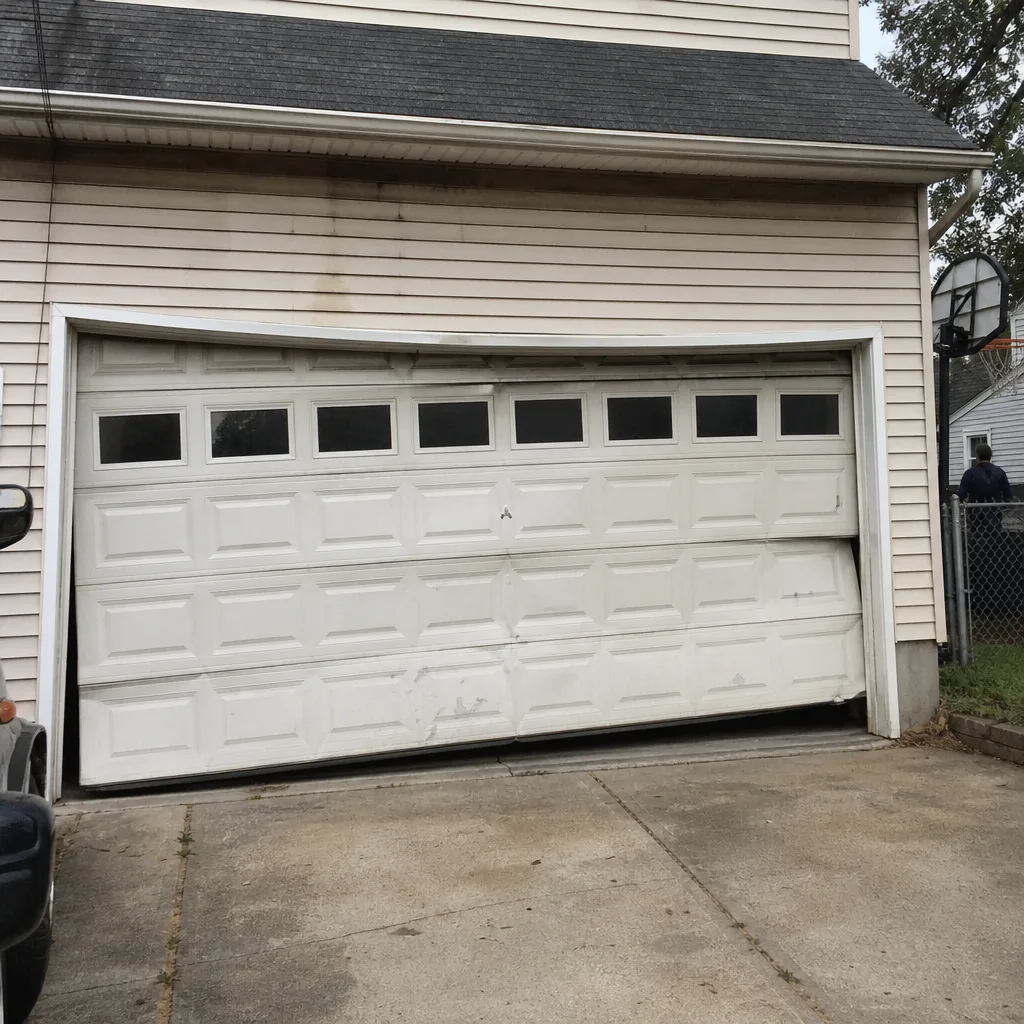 Before
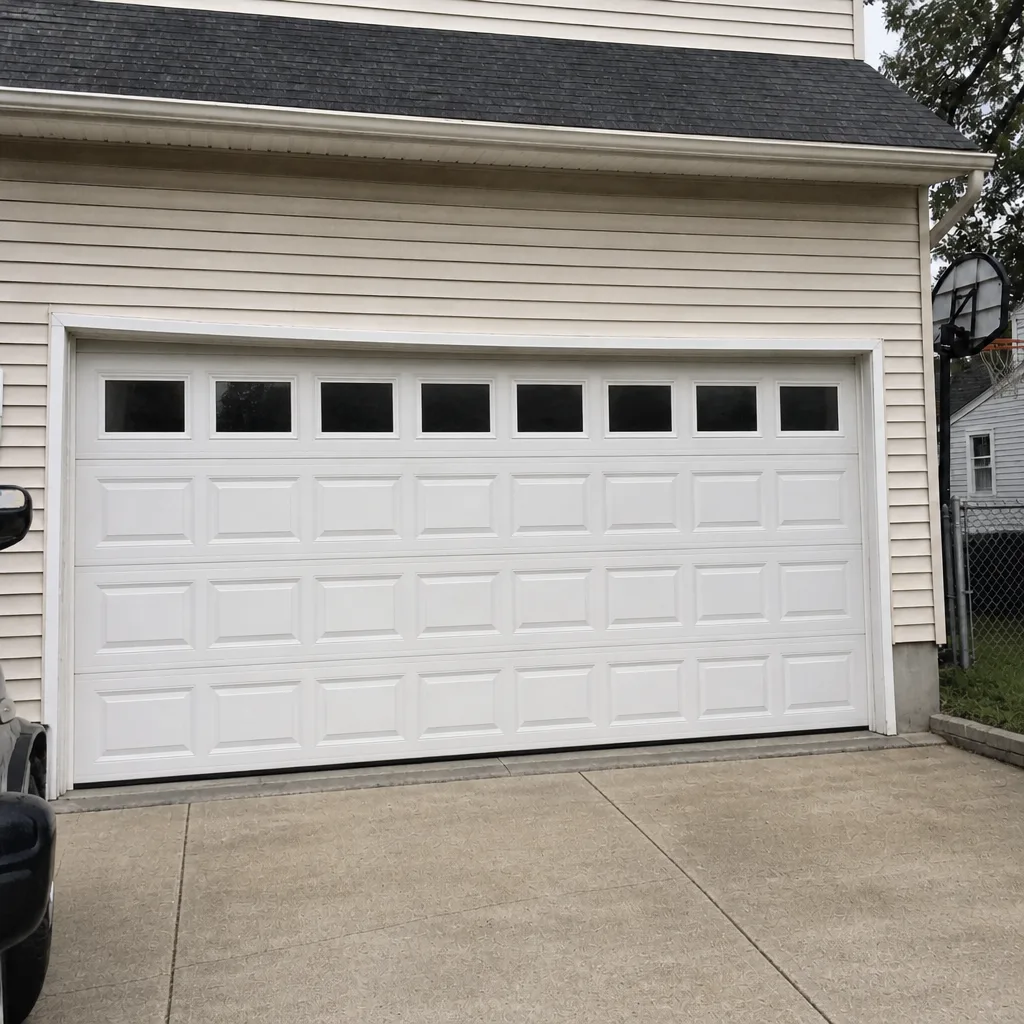 After
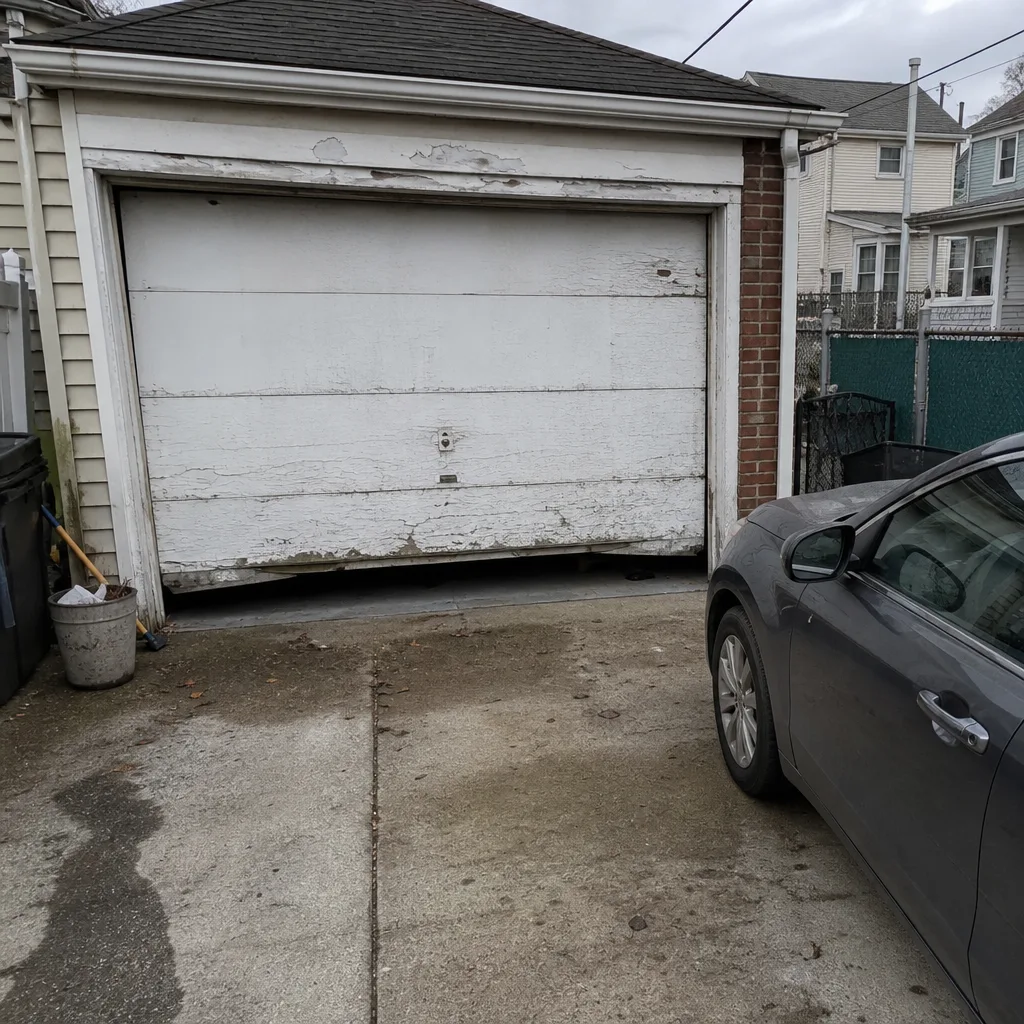 Before
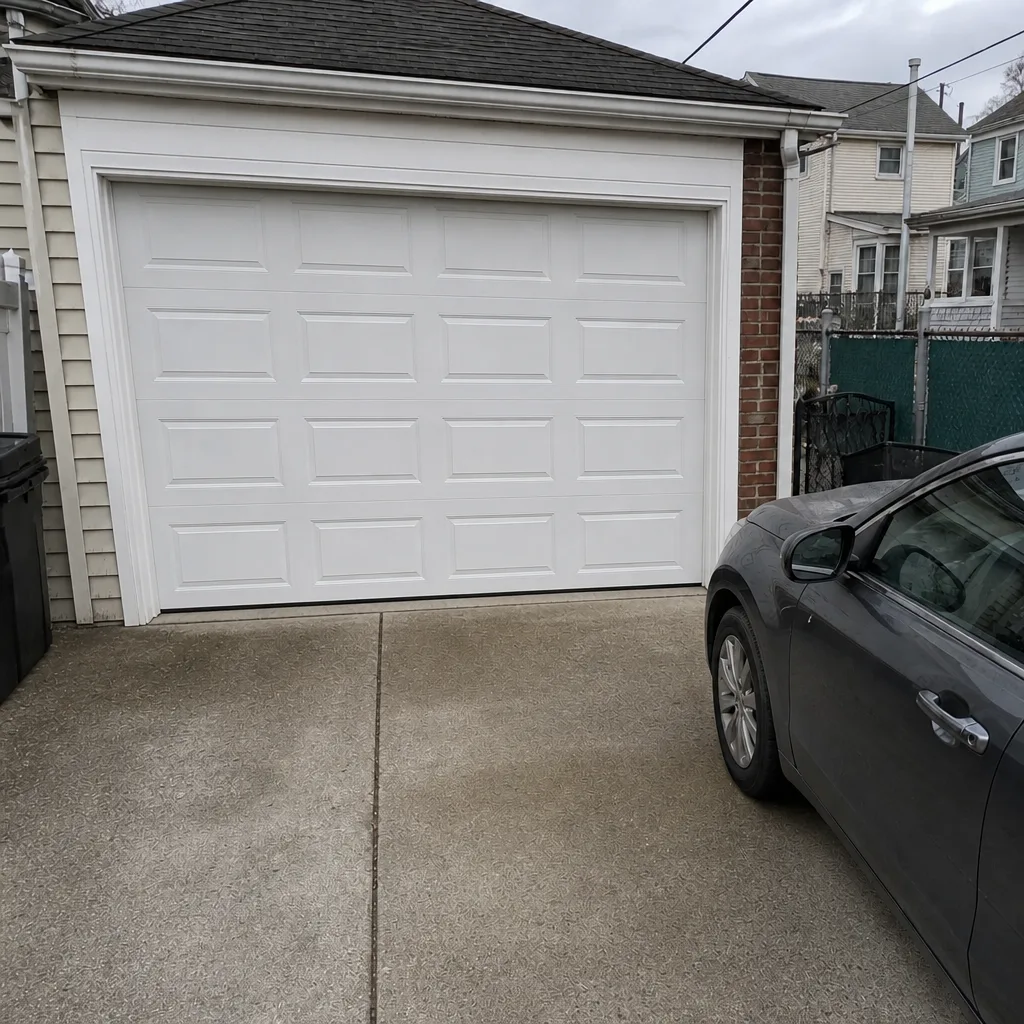 After
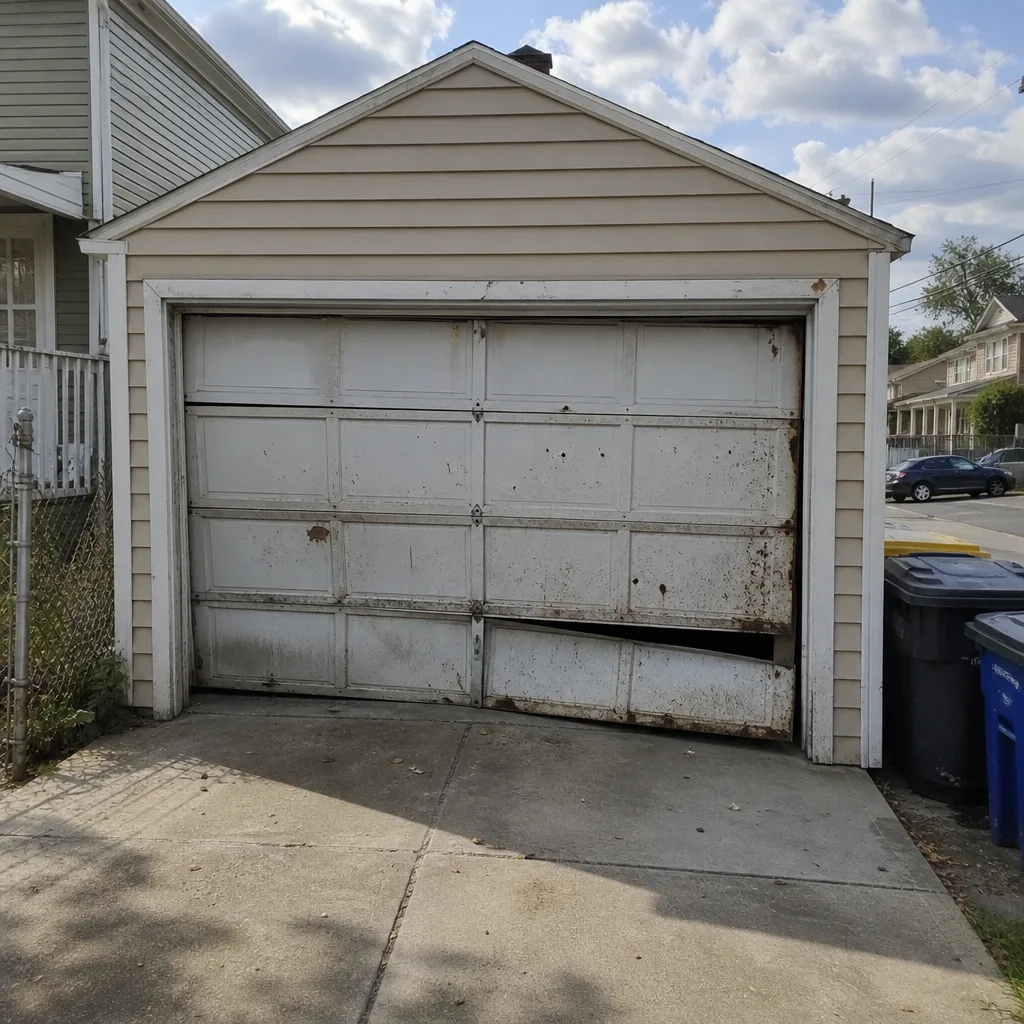 Before
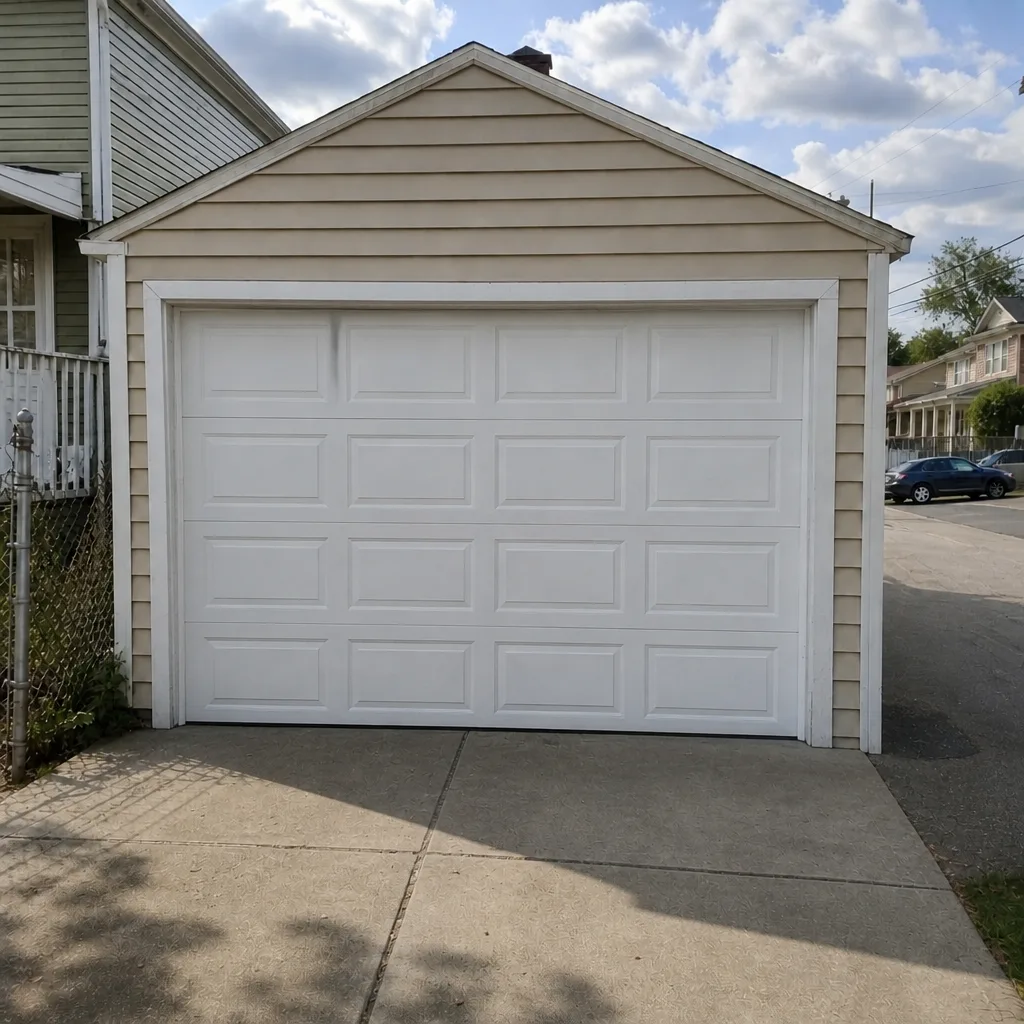 After
When to Call a Professional
Most maintenance is something a homeowner can manage. A few things are not. Call a technician if the door fails the balance test, if you see a frayed or slack cable, if the door reverses without reason, if the opener runs but the door doesn’t move, or if a spring snaps (you’ll hear it). Springs and cables are under high tension and are genuinely dangerous to adjust yourself, so leave them to a trained professional. If your door is binding, sagging or running noisily despite regular lubrication, that’s also worth a call; it usually means a component is wearing, not that you missed a task. Jasper Garage Door Repair offers free estimates in Jersey City – call (855) 754-6007. We answer 24/7 and offer fast dispatch from 7am to 7pm, closed Saturday, with technicians who work on both the door and the opener in one visit.
Frequently Asked Questions
A garage door should be visually checked every month, lubricated and hardware-checked every six months or roughly every 500 to 1,000 cycles, and professionally inspected once a year. Doors that cycle more than six times a day should be on the shorter end of each interval.
Never lubricate the tracks. Keep them clean and dry, because lubricant attracts grit that wears the rollers. Skip nylon rollers that already run smoothly, and only use the opener-specific lubricant for your chain or screw drive.
Run the monthly balance test: disconnect the opener, lift the door halfway, and let go. A balanced door holds; a weakening spring lets the door drop or sag. That warning typically shows up three to six months before a spring breaks.
Yes. Freeze-thaw cycles split bottom seals and road salt migrates into the tracks. Check the bottom seal before the first hard freeze, and clear salt and grit from the tracks during the winter. Late spring is the time to check wood overlays for humidity swelling.
They share a visit but not a schedule. The door needs monthly and six-month passes for balance, lubrication and springs; the opener benefits from an annual force, travel and drive check. Combining both in one annual inspection keeps the schedule manageable.
Yes. A log of cycles, parts replaced and noticed problems lets a technician diagnose faster and estimate remaining service life from real wear patterns instead of guesswork. Log your balance results and lubricant passes, and share the log when you book a service call.
Call (855) 754-6007 for a free estimate. We answer 24/7, and a call outside dispatch hours is booked into the next opening, Sunday through Friday, 7am to 7pm.
The Bottom Line
Your garage door’s maintenance schedule should follow how it’s used, not what month it is. Match your lubrication and hardware intervals to your real cycle count, check the bottom seal before the first freeze, clear road salt in winter, watch wood overlays as humidity rises, and run the sixty-second balance test every month. Lubricate the springs, hinges and rollers properly and leave the tracks clean and dry. Keep a short log. Then book one annual inspection so a technician can check the parts you can’t safely inspect yourself. That combination keeps a Jersey City door running cleanly through every season and turns spring failures into planned repairs instead of stuck cars.
Written by the team at Jasper Garage Door Repair.