
Last updated November 15, 2026
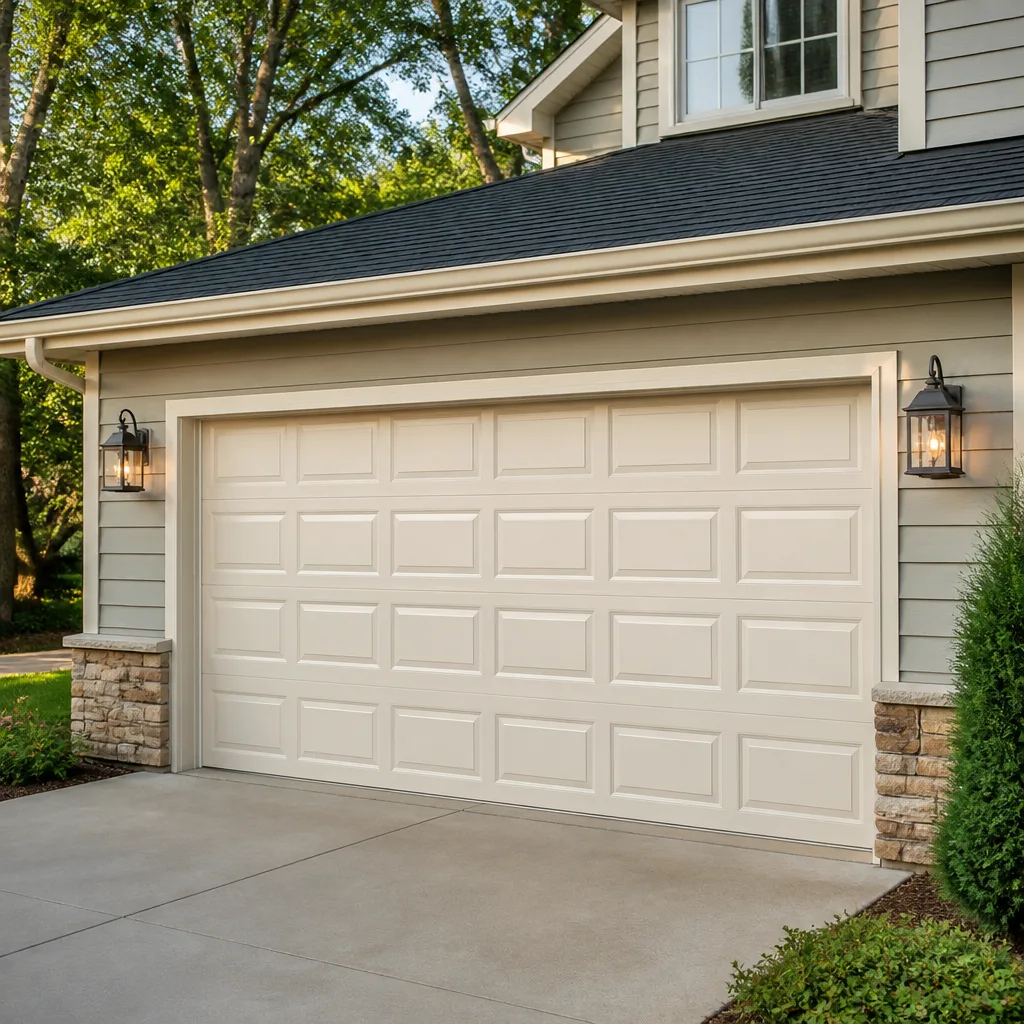 Raised-panel steel
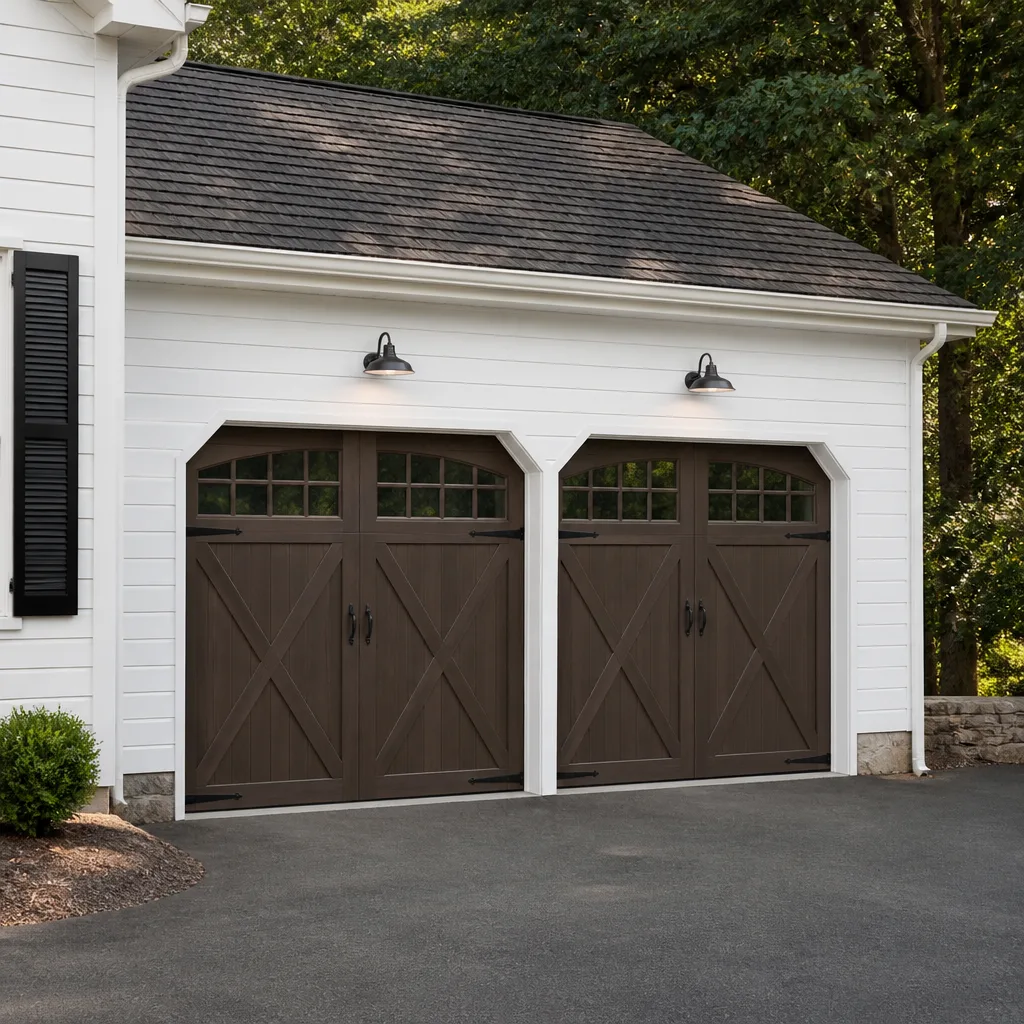 Carriage house
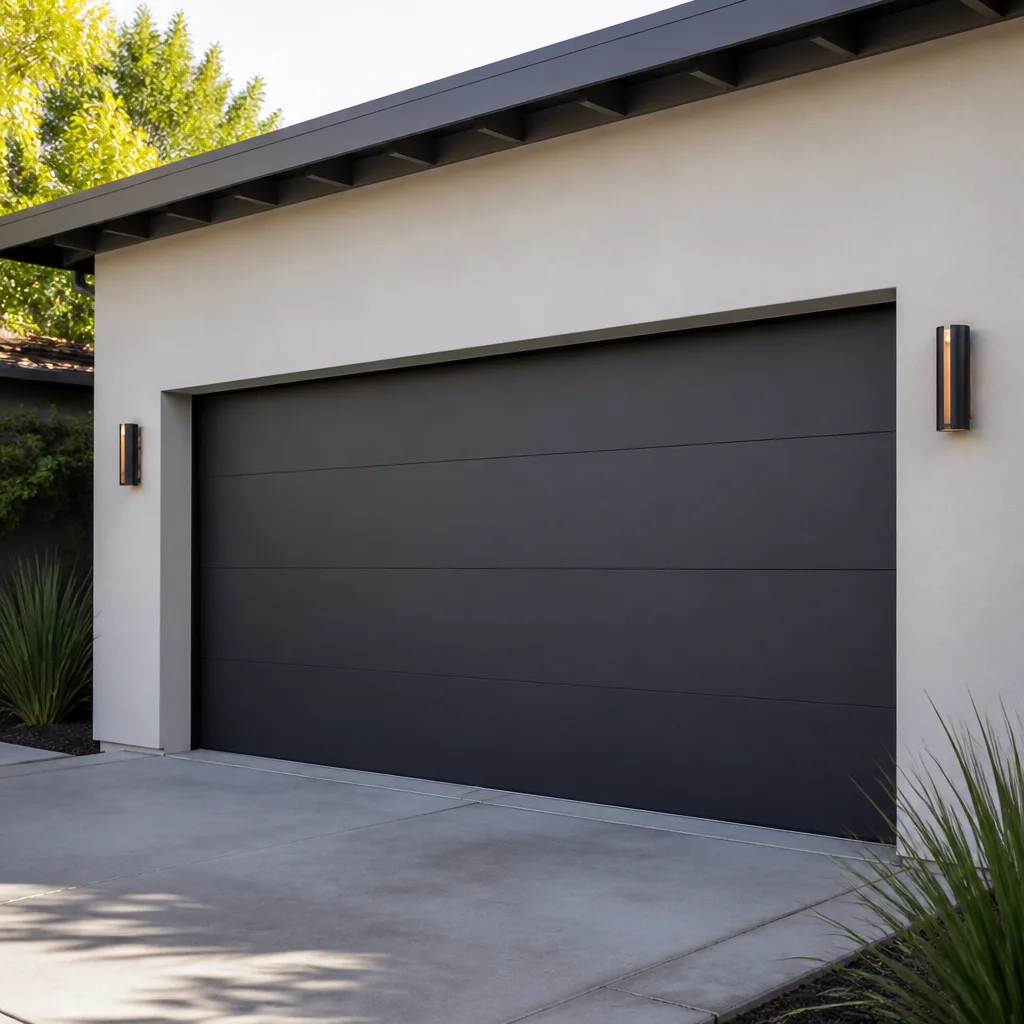 Modern flush
 Full-view glass
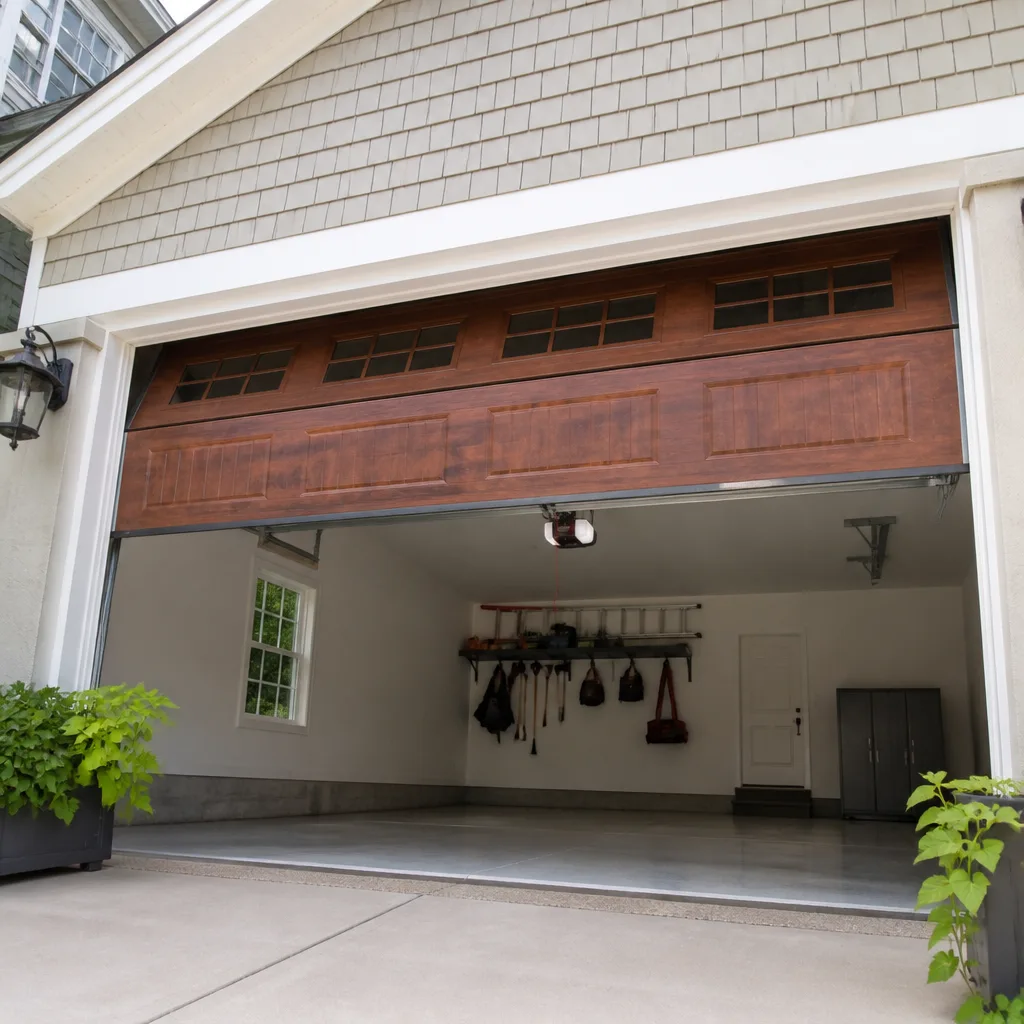 LiftMaster openers
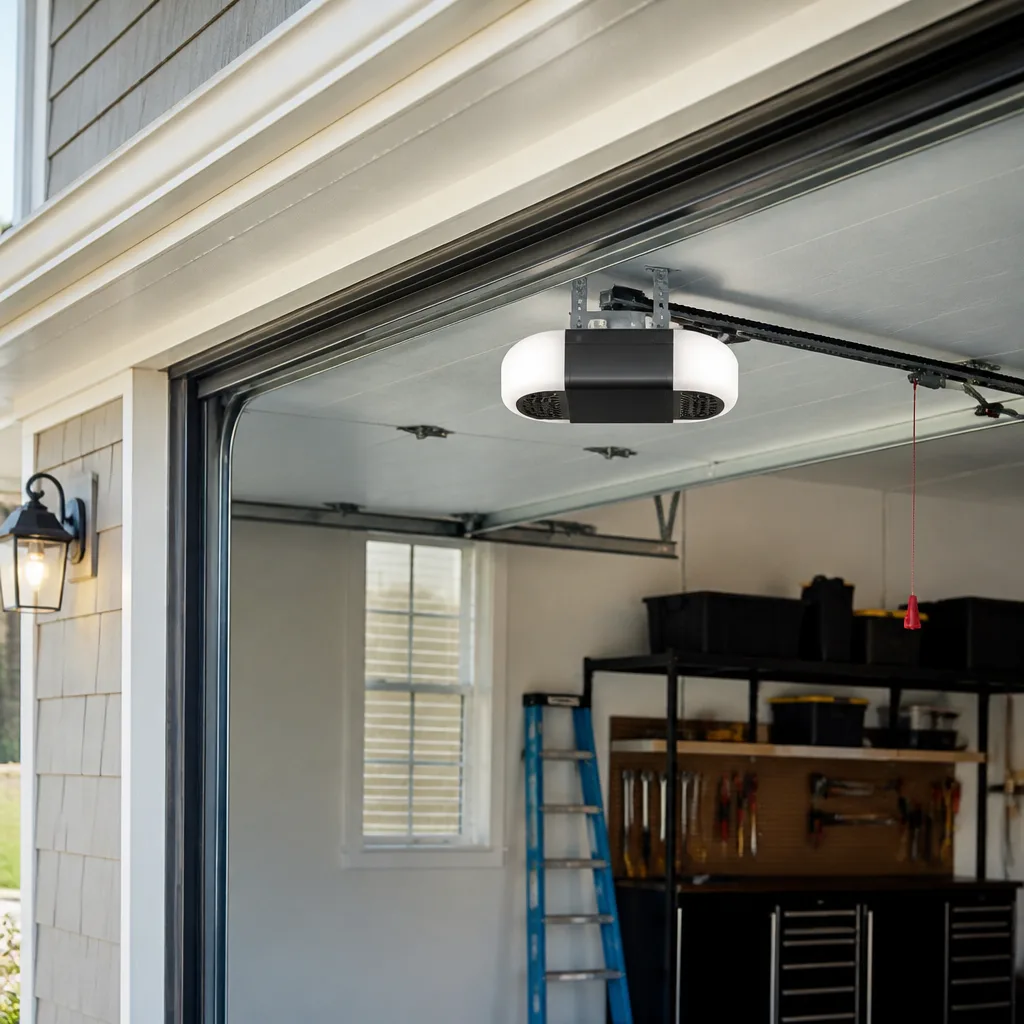 Chamberlain openers
Full 25-point door and opener safety check with every visit - springs, cables, rollers, tracks, and your LiftMaster or Chamberlain opener included
You get a price before we start. It does not change when the pro arrives.
Get your free estimateGarage Door Repair Maintenance Checklist for Jersey City Homeowners
Most homeowners think lubrication is the first maintenance task they’re skipping. It isn’t. The number-one item that goes unchecked is cable drum alignment, and it’s the first thing to fail on a door that opens eight to ten times a day in a household where everyone drives. A door running that often in Jersey City wears differently from one that cycles twice a day in a quiet suburb, and a checklist built for the suburban door won’t catch what’s actually happening to yours. This guide is built around the stresses a Jersey City garage door really faces: tight alley clearances, freeze-thaw swings, waterfront humidity, and high daily cycle counts. You’ll learn what to inspect, how often, and what the results mean.
Quick Answer
A working maintenance checklist for a Jersey City garage door covers six things: cable drum alignment, spring cycle count, balance and travel, roller and track wear, auto-reverse force testing, and correct lubrication with the right product for your roller type. Inspect monthly by eye, test balance and reversal every few months, and have springs and cables evaluated by a trained technician based on how many times your door actually cycles. Most serious failures we see start as small alignment or wear problems that were visible months before the door stopped working.
Styles & brands we work with
- Raised-panel steel
- Carriage house
- Modern flush
- Full-view glass
- LiftMaster openers
- Chamberlain openers
Table of Contents
- Why Jersey City Garage Doors Wear Differently
- Cable Drum Alignment: The Check Most Homeowners Skip
- Spring Inspection by Cycle Count, Not Calendar Month
- Humidity and Corrosion Checkpoints
- Tracks and Rollers in Low-Clearance Urban Installs
- How to Test Balance and Travel Safely
- Testing Auto-Reverse Force Without a Service Call
- The Right Lubricant for Your Rollers
- Common Mistakes to Avoid
- When to Call a Professional
- Frequently Asked Questions
Why Jersey City Garage Doors Wear Differently
A garage door in Jersey City doesn’t live the same life as one in a wide suburban subdivision. Start with how often it runs. In a dense household where every adult drives to work, a door can cycle eight to ten times a day. That’s more than three thousand cycles a year, and torsion springs are rated in cycles, not years. Calendar-based advice (“replace springs every seven years”) quietly assumes a low daily count. If your door runs all morning and all evening, the spring is working twice as hard as the calendar suggests.
Next, the climate. Jersey City sits between the Hudson and the low-lying neighborhoods around it, and the air carries moisture that settles on steel. Winter freeze-thaw cycles work those moisture films into moving parts. A door that opens cleanly in July can sound tight and strained in February because lubricant has thinned or metal has started to corrode at the joints.
Finally, space. Many Jersey City garages are built into tight lots and alleys, so doors are sometimes installed in low-clearance configurations: shallower ceiling space above the door, tighter side clearance, or a track layout squeezed to fit the opening. Those installs are fully workable, but they load rollers and hinges differently than a wide suburban bay. The load shows up as wear patterns, and wear patterns are what a good checklist is designed to catch before they become a repair.
That’s the premise of this whole guide: a checklist tuned to your actual door, your actual cycle count, and your actual neighborhood. The generic version is the one that misses things.
Cable Drum Alignment: The Check Most Homeowners Skip
Cable drum alignment is the most skipped maintenance item on a residential garage door, and it’s the one that matters most on a high-use door. If the cables aren’t seated evenly in the drums at the top corners, the door lifts unevenly, one side gets loaded harder, and cables wear or fray far sooner than they should. On a door opening eight to ten times a day, a small misalignment compounds fast.
Here’s what to look at, safely, with the door closed:
- Cable seating. With the door fully closed, look at each cable where it wraps the drum at the top corner. The cable should sit in the groove, not riding over the edge or crossing itself.
- Cable condition. Look for frayed strands, kinks, or flat spots. Any of these means the cable needs replacing by a trained technician, not adjustment.
- Drum security. The drum should be firm, with no wobble or looseness where it mounts.
- Even tension. With the door moving slowly through a cycle, the cables should stay taut and matched. One side taking up slack faster than the other is a sign of misalignment.
What you must not do is adjust the drums or the cables yourself. Cables carry the full weight of the door under heavy tension, and a slipping cable or drum can strike with enough force to cause serious injury. A visual check is safe. Adjustment and replacement are work for a trained technician, every time. This one rule keeps more homeowners out of the emergency room than any other in this guide.
If the visual check shows a wobble, a fray, or uneven travel, treat it as a “stop using the door and get it looked at” item, not a “watch it for a while” item. When you decide to bring someone in, our garage door repair service covers the full mechanical system, cables and drums included.
Spring Inspection by Cycle Count, Not Calendar Month
Springs are rated in cycles, and cycle count tracks with household size and driving habits, not the calendar. A door cycled eight to ten times a day in a four-driver household ages its springs far faster than a door cycled twice a day. So don’t ask “how old is my spring?” Ask “how many times has this door opened?”
Here’s how to estimate your cycle load:
- One or two drivers. Roughly two to four cycles a day, around a thousand a year.
- Three to four drivers. Six to ten cycles a day, likely two thousand to more than three thousand a year.
- Any household with a home business, deliveries, or gear hauled in and out. Add cycles. Doors on busy urban streets often run more than the family realizes.
What the estimate tells you: a spring rated for a given number of cycles may be well within its rated life on calendar age but near the end of its usable life on actual cycles. Symptoms to watch for on any door include a door that’s suddenly much heavier to lift, uneven lifting, a loud bang, or a visible gap in a torsion spring. Any of those means stop using the door and get it inspected before it fails.
Springs, torsion bars and cables are the most dangerous components of a garage door. They store enormous energy, and the tools and technique needed to replace them safely are not a homeowner job. Have them evaluated by a trained technician based on your actual cycle count, not the date on the door.
For Jersey City homeowners, the practical takeaway is this: if your household is three or more drivers, shorten the interval between spring inspections. That’s a Jersey City-specific adjustment, not a generic rule. When you want a proper evaluation, our team services the springs, cables and hardware on doors from brands like Amarr and Clopay and whatever else is on your opening.
Humidity and Corrosion Checkpoints
Jersey City’s position near the Hudson and the low-lying waterfront neighborhoods produces consistent year-round humidity, and that humidity slowly attacks the steel on a garage door. The corrosion checkpoints that matter here are the ones most exposed to moisture and least protected by paint or sealant:
- Hinges. The pivot points gather moisture and hold it. Look for rust at the pin and at the leaf.
- Roller stems. Where the roller pivot enters the hinge, rust can seize a roller and turn a smooth glide into a scrape.
- Bottom brackets and bottom seal. The lowest point of the door sits closest to the ground and takes the most splash and condensation. Check for rust and for a seal that has gone hard or brittle.
- Cable ends and drums. Rust at the fittings and cable termination points is a red flag; treat it as a call-a-professional item.
- Track and spring hardware. Rust on the tracks is cosmetic in small amounts, but heavy rust or flaking near springs and drums is not.
Corrosion is easiest to stop early. A quick visual pass at each checkpoint every month catches surface rust before it becomes pitting, and proper lubrication on the right parts slows it considerably. What you don’t want to do is spray lubricant indiscriminately over the whole door. On the track, on the springs, on hinges and rollers used correctly, lubricant helps. On nylon rollers, some lubricants actively do harm, and we’ll get to that.
Since the weather swings between humid summers and freezing winters, the freeze-thaw part of the cycle is worth flagging too. Any moisture that gets into a joint and then freezes will work that joint loose. Doors on the Jersey City waterfront face the most humidity, but the freeze-thaw stress is town-wide.
If you find corrosion that’s already pitted the hardware, or rust at the cables or drums, that’s the point to call, not to keep spraying. Our Jasper Garage Door Repair team can assess corrosion and recommend repair versus replacement on the specific hardware.
Tracks and Rollers in Low-Clearance Urban Installs
Low-clearance urban installs wear rollers and tracks in a pattern you won’t find on a wide suburban bay. When headroom is tight, the door’s track layout is often shallower and more curved, and the rollers spend more of every cycle under sideways load. That means the roller wear shows up early, and it shows up on the pivot side, not evenly across the roller.
Rollers wear in three ways worth knowing:
- Flat spots. A roller that stops rolling and starts dragging develops a flat spot. You’ll hear a knocking or rhythmic scrape as the door moves.
- Loose stems. The pivot loosens in the hinge. A wobbly roller loads the track edge on the next cycle.
- Seized bearings. The roller stops spinning altogether and grinds along the track. This is the loudest and most damaging wear pattern, and it’s the one most common on high-cycle doors in tight installs.
Tracks themselves can be bent, out of alignment, or loosened at the mounting brackets. The rule for a homeowner is simple: check by eye and by ear, don’t force anything. A track that’s out of alignment can usually be corrected without replacement, but correcting it safely requires understanding how the whole door rides. Roller replacement on a door with a tight track is also a job where using the wrong-size roller will make the problem worse.
Because we work on doors from Genie, Wayne Dalton and other major brands, we know the roller and track hardware that belongs on your specific door rather than swapping in whatever’s on hand. Roller and track wear is a maintenance item you can decide about based on what you observe, not based on a generic replacement schedule.
How to Test Balance and Travel Safely
A balanced door is the single best indicator that the springs, cables and track are working together. An unbalanced door is the earliest warning sign of a problem. Testing balance is safe if you follow the rules below and never force the door.
- Disconnect the opener. Pull the manual release so the door moves by hand only. Don’t skip this; testing with the opener running tells you nothing about balance.
- Raise the door to about halfway. Use the handle or the bottom edge, not the springs or cables.
- Let go and stand clear. A balanced door stays roughly where you let it go. A door that drops or rises on its own is out of balance.
- Repeat at a second position. Try a quarter and three-quarters open so you’re testing the full travel, not just mid-height.
- Listen to travel. Run the door through its full travel by hand and listen. Grinding, popping, or a scrape that happens at the same point in every cycle points to a track or roller issue.
A door that won’t hold halfway is a serious warning. Don’t operate it with the opener; get it looked at. The most likely cause is a spring problem, and springs are the one part of this system you should never adjust. Balance and travel are things a homeowner can safely check. Correction of an imbalance is not.
The other thing to watch in travel is the reversing edge or safety sensor. Door travel that’s shorter or longer than it used to be usually points to limit settings on the opener, which is the next section.
Testing Auto-Reverse Force Without a Service Call
You can and should test the auto-reverse on your door yourself, and it takes about two minutes. Put a roll of paper towels or a 2×4 flat on the ground in the door’s path, close the door, and confirm it stops and reverses on contact. Then test the safety sensor by passing an object through the light beam while the door is closing; it should reverse immediately.
What the results mean:
- Door reverses easily on contact. The force setting is appropriate.
- Door reverses but you can hear a hard thump against the object. The force is set too high.
- Door doesn’t reverse at all, or reverses only sometimes. Stop using the opener and get it checked. This is a safety failure, not a nuisance.
- Door reverses immediately without contact, or before it fully closes. Something is interfering with the sensor or the force setting.
The force setting is a tunable limit on most openers, but it’s not something to adjust by trial and error. A setting high enough to push through an obstruction is high enough to cause injury. If your test shows a failure, or if you can’t tell whether the setting is right, have it checked. Our garage door opener repair service covers opener limits, sensors and remote gear on the systems we work with, including LiftMaster, Chamberlain and Craftsman units.
The Right Lubricant for Your Rollers
Half the cans sold at hardware stores are wrong for garage door rollers, and using the wrong one shortens roller life. The core mistake is silicone spray on metal rollers. A light silicone spray is fine on some materials, but it can dry out and leave metal-on-metal contact where there should be a grease film. The more specific mistake is petroleum-based lubricant on nylon rollers. Nylon rollers are designed to run with no lubricant, and a petroleum product can attack the nylon over time, soften it, and turn a good roller into a seized one.
What to use where:
- Nylon rollers. No lubricant. Clean them and leave them alone. If they’re seized or flat-spotted, replace them.
- Metal rollers. A small amount of grease intended for roller bearings.
- Hinges and pivot points. A light grease or the recommended lubricant for the hinge hardware.
- Torsion springs. A light lubricant on the coils reduces friction and helps slow corrosion.
- Track. Do not grease the track. Lubricant on the track collects grit and turns a smooth surface into an abrasive one.
The rule to hold onto: check the roller material before you reach for the can. If you’re not sure what material your rollers are, ask before spraying. Getting this wrong is one of the small choices that adds up to early roller replacement.
If you’re not sure what hardware your door has, our Jersey City team can identify it and recommend the right lubricant and hardware, including for doors from Amarr, Wayne Dalton and Raynor.
Common Mistakes to Avoid
- Greasing the track. It feels productive and it’s the opposite. Grease on the track collects every bit of grit your driveway throws at the door and turns the rollers into sandpaper. Keep the track clean and dry.
- Using the calendar instead of the cycle count. A Jersey City household with four drivers will wear a spring out faster than a two-driver household, but the calendar can’t see that. Track your cycle count.
- Spraying petroleum lubricant on nylon rollers. It’s the most common lubrication mistake we see. Check the roller material before you spray, and if in doubt, ask.
- Adjusting the torsion spring yourself. Never. Springs store enough energy to cause serious injury, and the wrong adjustment can turn a working door into a dangerous one. This is a trained-professional job, without exception.
- Ignoring an out-of-balance door. If the door won’t hold halfway, stop using it. It’s the clearest early warning of a spring or cable problem, and it gets worse.
- Running a door with a visible cable fray or drum wobble. Cable failure is one of the most dangerous garage door events. A visual check with the door closed, done every month, catches the warning signs early.
- Assuming a small squeak is harmless. Many sounds are cosmetic, but a new sound that repeats at the same point in every cycle points to a specific problem worth checking. Listen, and don’t ignore what changes.
When to Call a Professional
Some garage door problems are worth a phone call the day you notice them. Any visible spring gap, a cable fray or drum wobble, a door that won’t hold halfway, an opener that fails the auto-reverse test, a door that’s become much heavier to lift, or a loud bang from the spring area. Those are stop-using-it signals. So are heavy corrosion at the drums and cables, a track that’s clearly bent, and any hardware that’s already pitted or deformed.
The other category is the “we’ve tried the obvious” bucket. A door that’s regularly hitting the limits on the opener, a roller replacement you’re not sure about, a door that reverses on its own, or any adjustment that doesn’t behave the way it did before. That’s the point to bring in someone who works on the whole system rather than one part.
We handle door repair, opener repair and installations for Jersey City and the surrounding area. Jasper Garage Door Repair offers free estimates in Jersey City, and the written estimate sets the price before any work starts. Call (855) 754-6007. We answer 24/7. Fast dispatch from 7am to 7pm, Sunday through Friday.
Frequently Asked Questions
Judge by cycle count and by what the visual checks show, not by the calendar. A high-cycle household with three or more drivers may need an annual or twice-yearly inspection, while a two-driver household can usually go longer. In Jersey City, the humidity and freeze-thaw cycles make a monthly visual check worth doing regardless, and the balance and auto-reverse tests should be run every few months. Call (855) 754-6007 for an inspection estimate.
Spring pricing depends on whether you have one spring or a matched pair, and on the spring type and size. A matched pair is almost always replaced together, and a pair costs roughly twice the price of a single spring. We give you a written estimate before any work starts, and the written estimate sets the price. Call (855) 754-6007 for an exact quote; estimates are free.
No. Torsion springs store enough energy that an uncontrolled release can cause serious injury, and the tools and technique required are not a homeowner job. A visual inspection with the door closed is safe and worth doing. Adjustment and replacement are not. Have any spring work done by a trained technician.
A door that’s suddenly heavier to lift is usually a spring problem, a balance problem, or a combination. If the door also won’t hold halfway, treat it as a stop-using-it condition and get it inspected. A door that’s heavy on one side points to a spring or cable issue on that side. Don’t push through it with the opener; it usually makes the failure worse. Call (855) 754-6007 for an estimate.
Put a roll of paper towels or a flat 2×4 in the door’s path and close the door. It should stop and reverse on contact. Then pass an object through the safety beam while the door is closing; it should reverse immediately. If the door fails either test, stop using the opener and get it checked. That’s a safety failure, not something to adjust by trial and error.
It depends on the roller material. Nylon rollers take no lubricant at all; a petroleum-based product can damage the nylon over time. Metal rollers take a small amount of bearing grease. The track stays clean and dry, never greased. If you’re not sure what material your rollers are, ask before spraying. Call (855) 754-6007 for the correct hardware recommendation.
The Bottom Line
A maintenance checklist works when it matches the actual stresses on your door. In Jersey City, that means cycle count over calendar month, cable drum alignment over routine lubrication, humidity and freeze-thaw awareness on the corrosion checkpoints, and the right lubricant for the right roller. The safety rules matter as much as the checklist items: visual checks are safe, and spring, cable and drum adjustments are not. Our technicians have up to 11 years of experience on the systems Jersey City homeowners actually own. If anything on this checklist comes back flagged, or if you want the work done properly, call (855) 754-6007. We answer 24/7. Fast dispatch from 7am to 7pm, Sunday through Friday. Free estimates, and the written estimate sets the price before any work starts.
Written by the team at Jasper Garage Door Repair.
See the difference
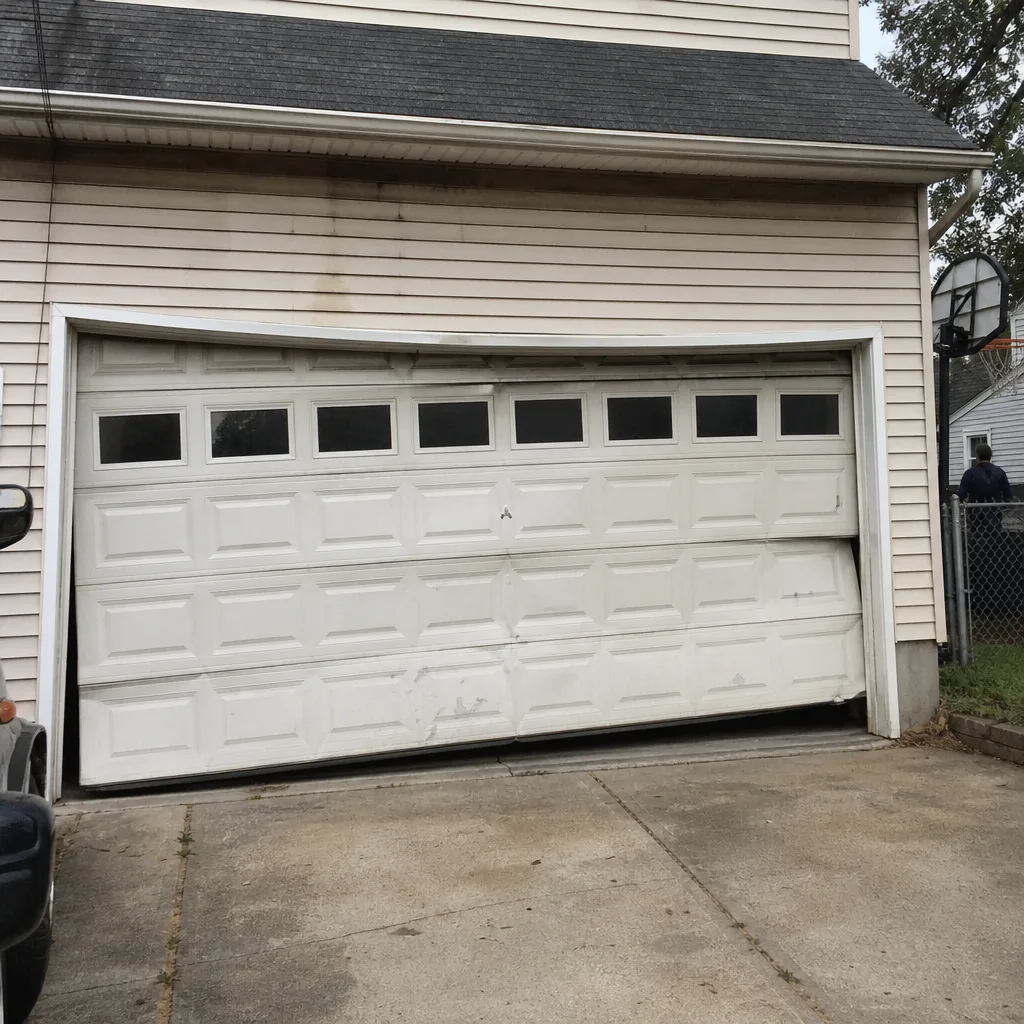 Before
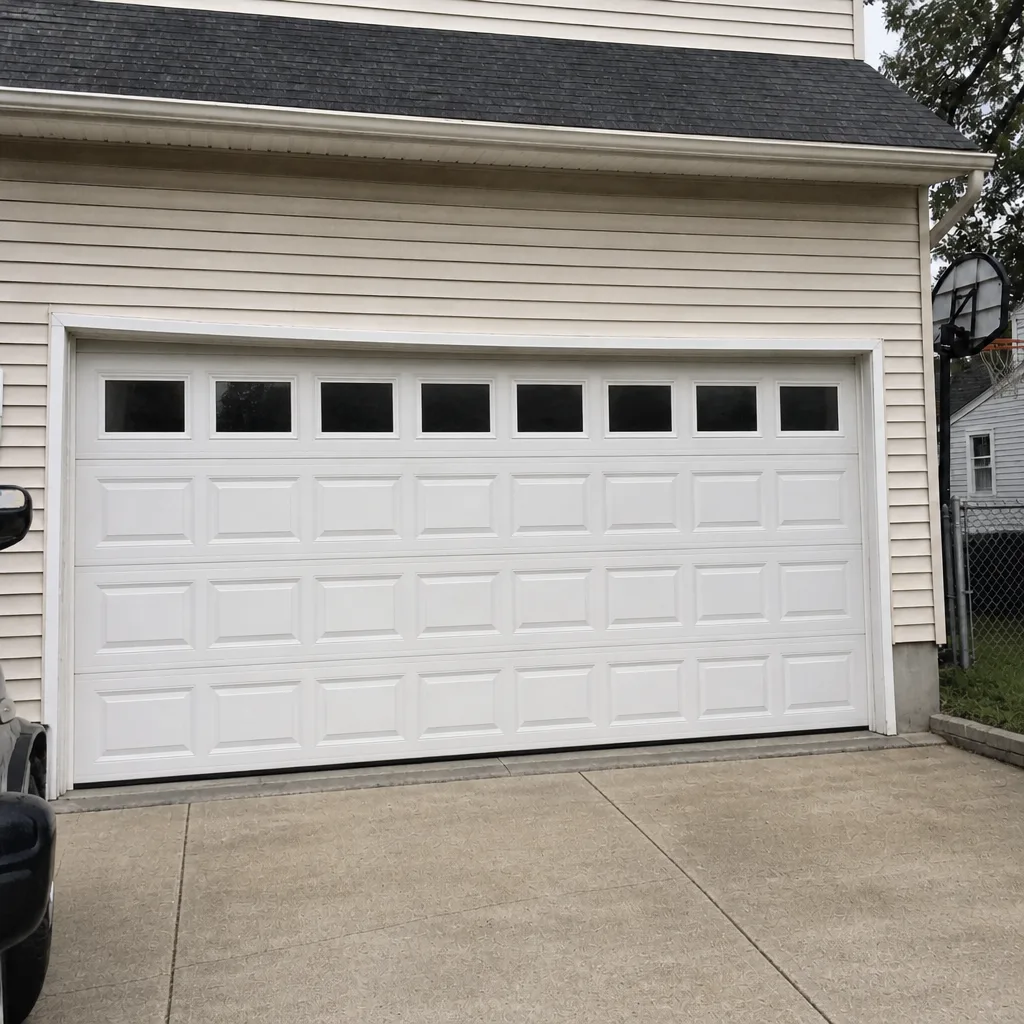 After
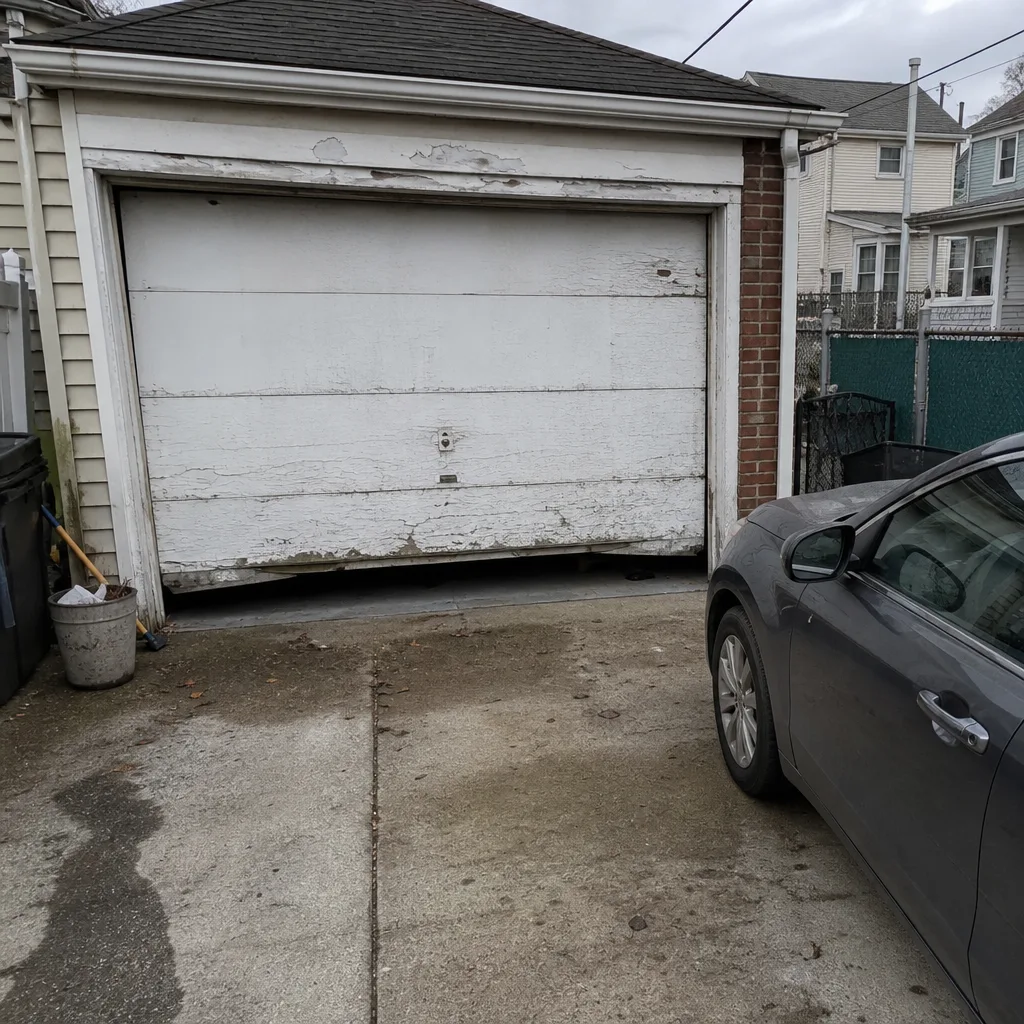 Before
 After
 Before
 After