
Last updated November 15, 2026
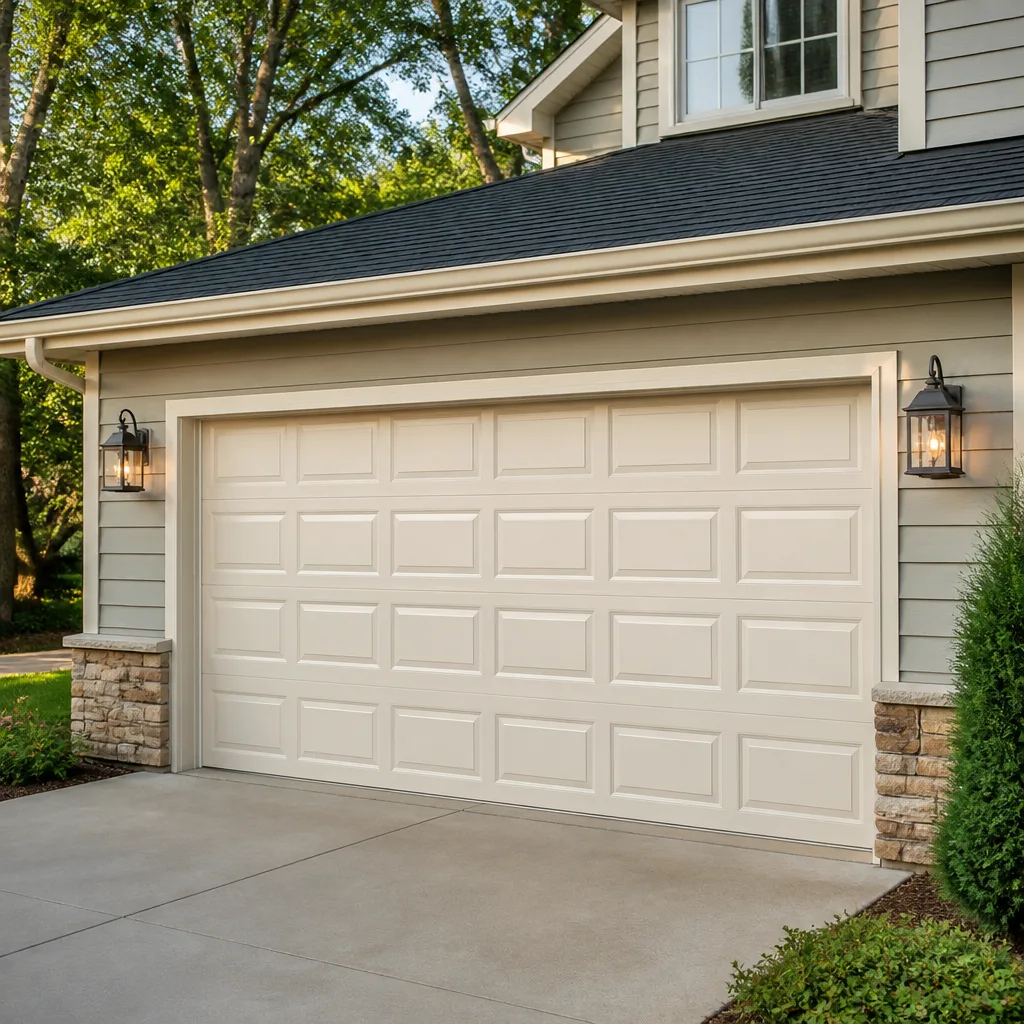 Raised-panel steel
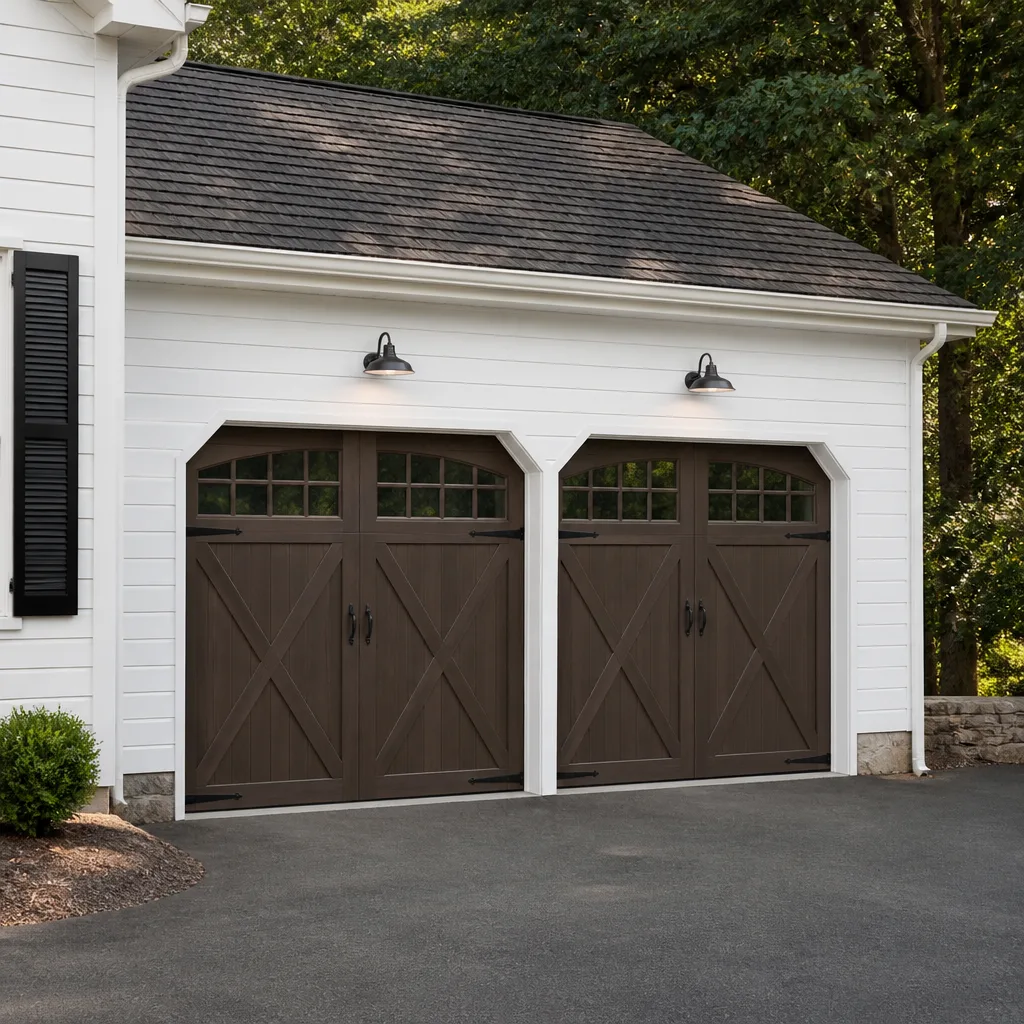 Carriage house
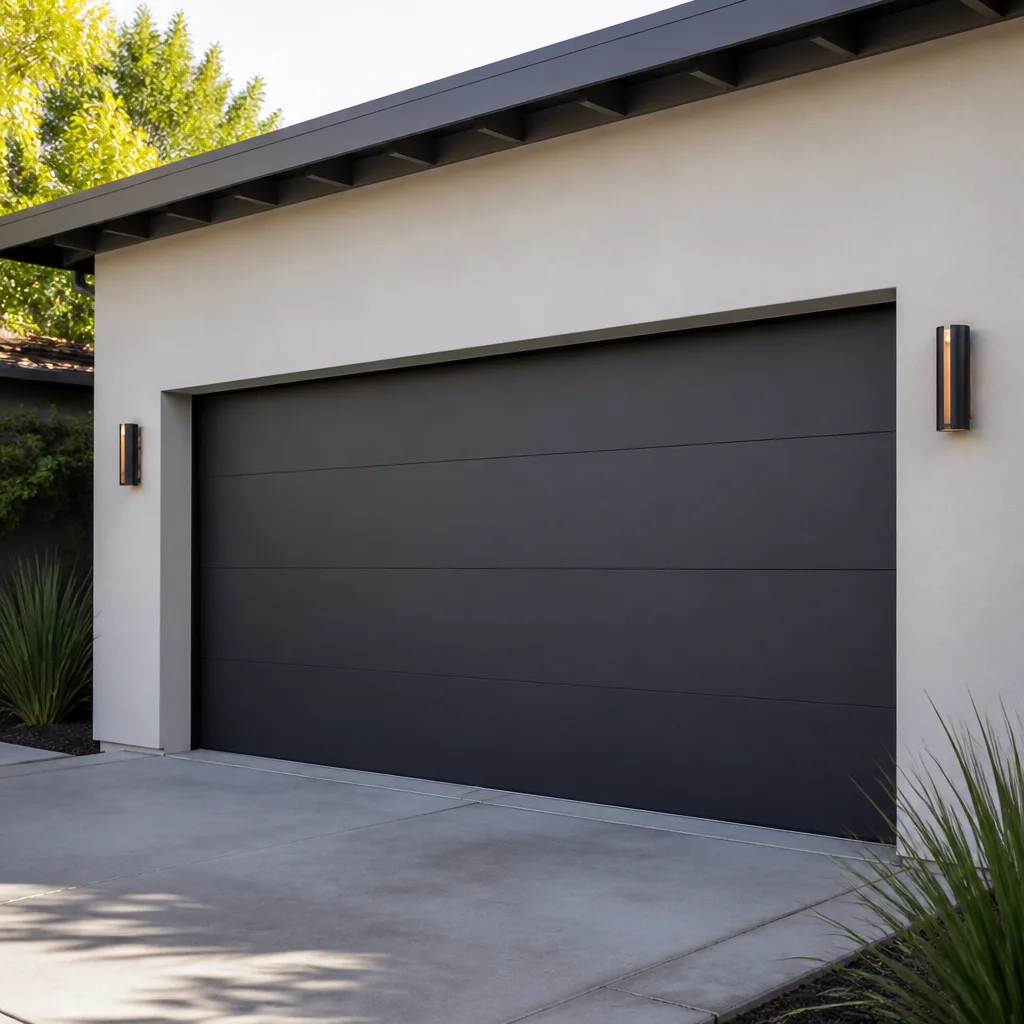 Modern flush
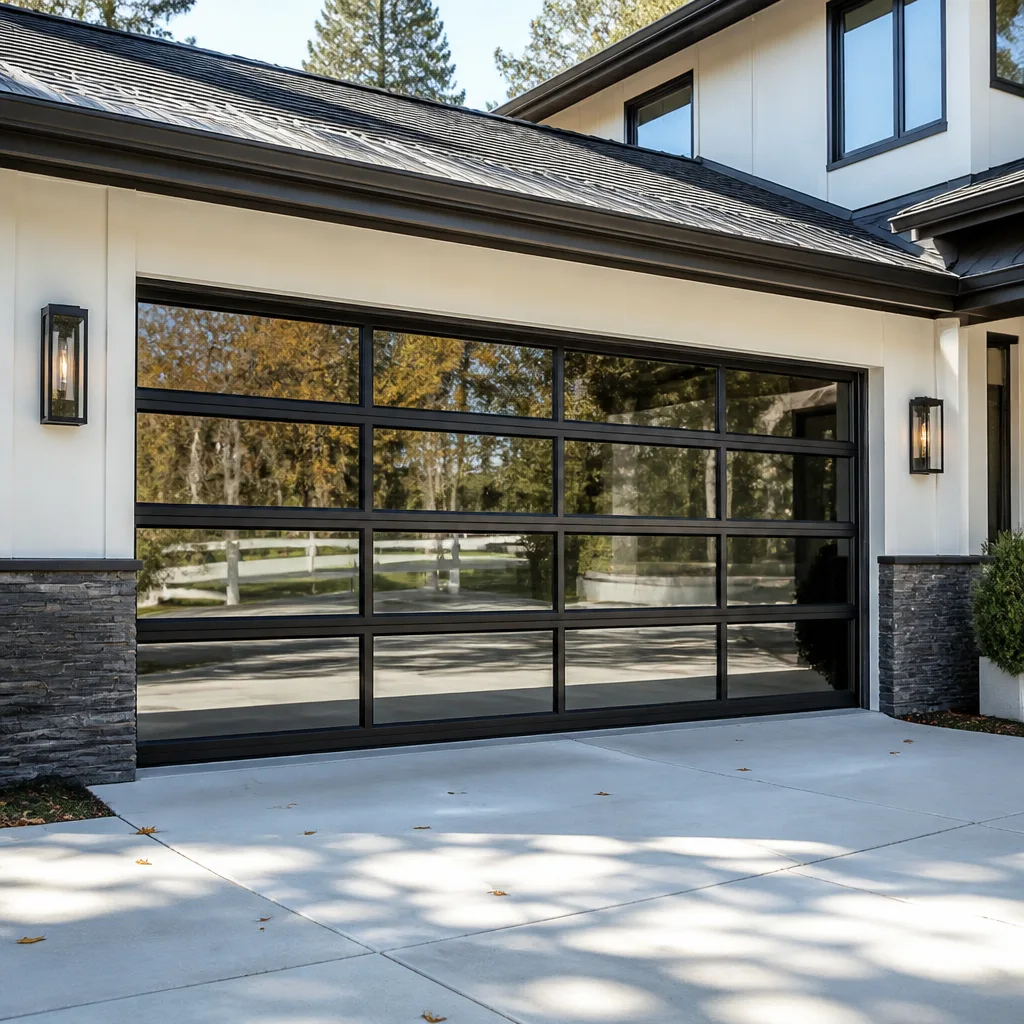 Full-view glass
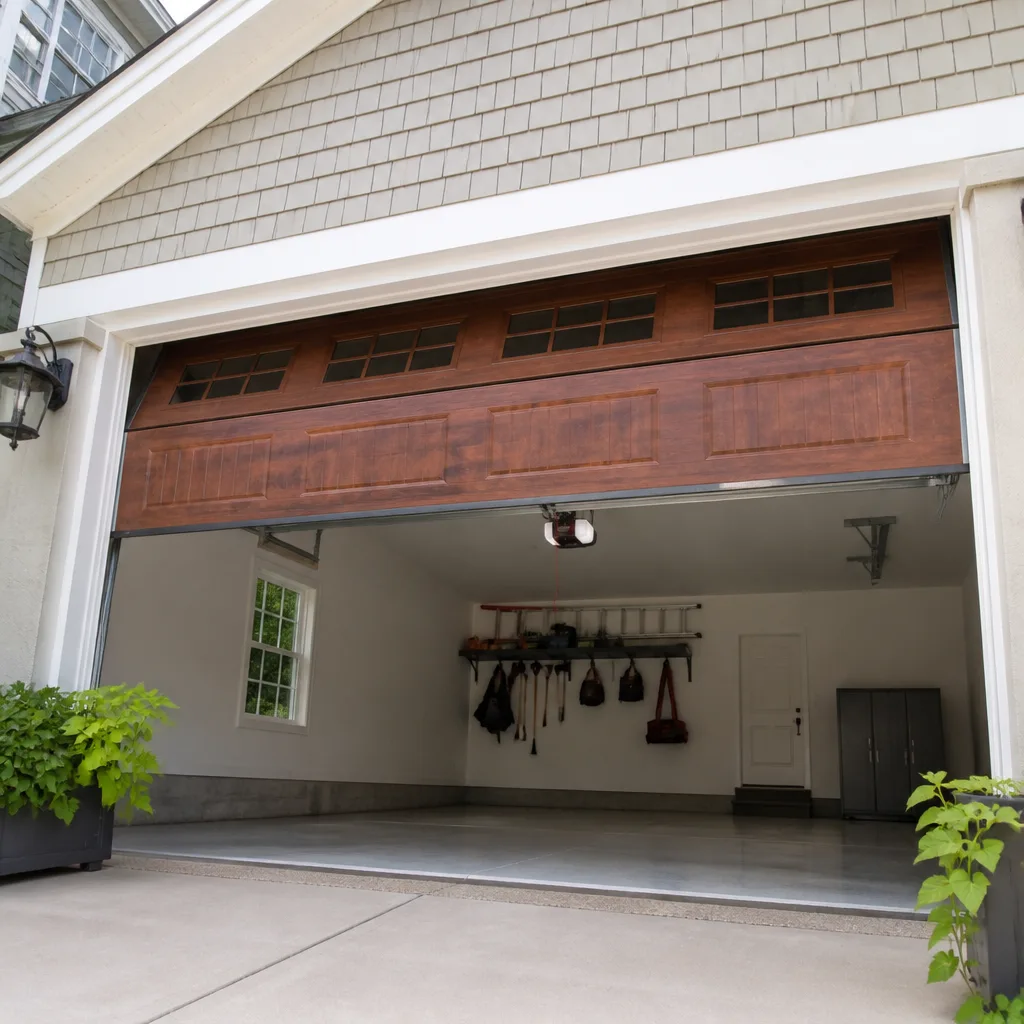 LiftMaster openers
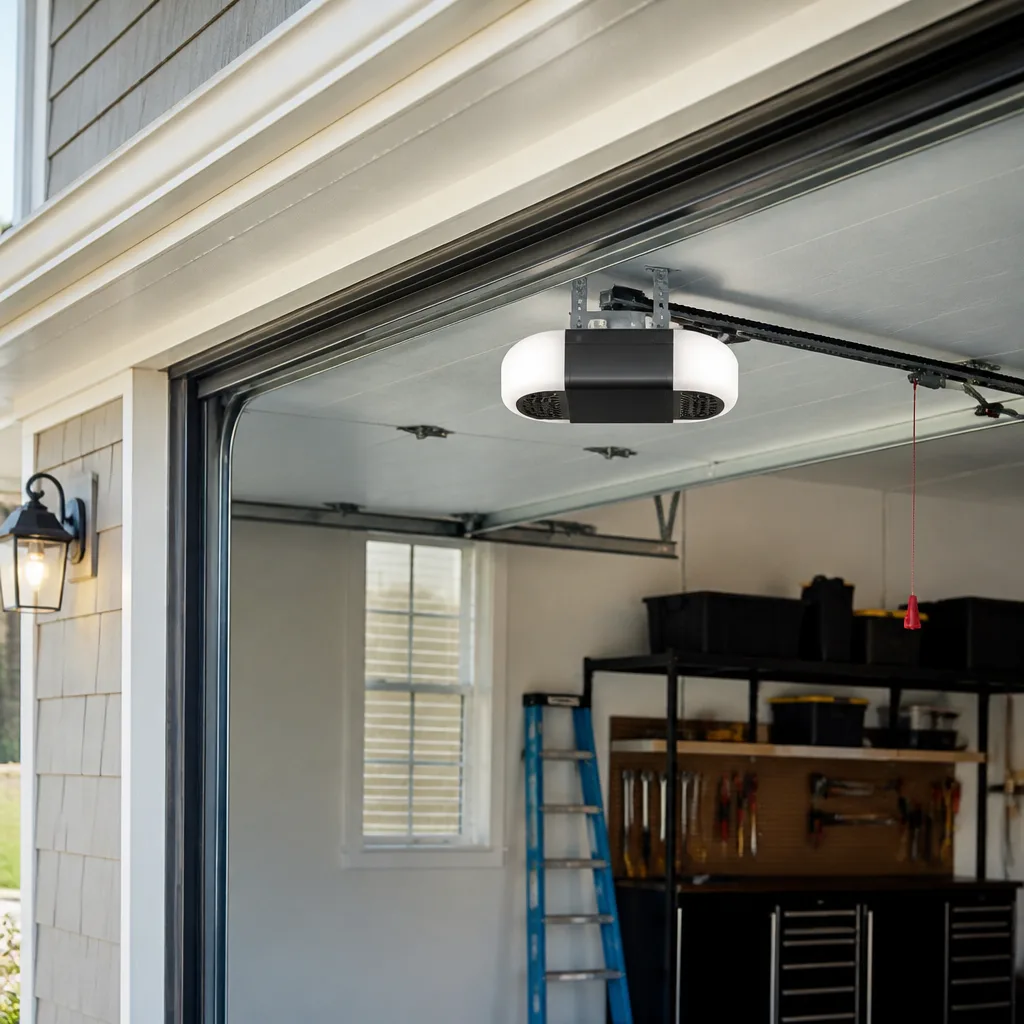 Chamberlain openers
Full 25-point door and opener safety check with every visit - springs, cables, rollers, tracks, and your LiftMaster or Chamberlain opener included
You get a price before we start. It does not change when the pro arrives.
Get your free estimateSeasonal Garage Door Care for Jersey City: Year-Round Homeowner’s Guide
Most seasonal garage door guides tell you to winterize in November and check your springs in March. That calendar was written for a climate with one long, steady winter, and it doesn’t match what actually happens in Jersey City. The damage here clusters differently: torsion springs fail hardest in February, not January, and the worst corrosion window is the wet August air, not the July heat. This guide rewrites the maintenance calendar around the stress your door actually sees in Jersey City, season by season, so you can catch wear before it turns into a snapped cable or a door that won’t close. We’ll cover springs, seals, tracks, weatherstripping, and the opener.
Quick Answer
The most important seasonal garage door care in Jersey City happens in late winter and late summer. February’s freeze-thaw cycles fatigue torsion springs faster than steady cold, and August humidity accelerates rust on bottom seals and cable ends. Check your door’s balance and weatherstripping in early fall and after the spring road-salt runoff, and have a technician inspect springs and cables once a year. Everything else, your door will usually tell you about before it fails.
Styles & brands we work with
- Raised-panel steel
- Carriage house
- Modern flush
- Full-view glass
- LiftMaster openers
- Chamberlain openers
Table of Contents
- Why February Is the Real Stress Test for Jersey City Garage Doors
- Spring: Post-Salt Alignment and Bottom Seal Checks
- Summer: How Hudson Valley Humidity Attacks Cables and Seals
- Fall: Timing Your Weatherstripping to the First Frost
- What “Winterizing” Actually Means for a Jersey City Garage
- Opener and Safety-Reverse Testing Through the Year
- Urban Conditions That Age a Door Faster in Jersey City
- The Jersey City Seasonal Maintenance Calendar
Why February Is the Real Stress Test for Jersey City Garage Doors
February, not January, is when spring failures spike in Jersey City. The reason is freeze-thaw. By early February, most winters here have already delivered several weeks of freezing nights followed by above-40 afternoons. Your torsion spring lives in an unheated garage, so it’s being asked to expand and contract through that full temperature swing every single day. That daily cycling is what fatigues the steel. Sustained cold is easier on a spring than a temperature that keeps changing its mind.
What this means for you practically: a door that ran quietly all December can start making a sharp clunk or a metallic ping in February, and that sound is the spring telling you it’s losing tension. If your door feels heavier when you lift it by hand, or the opener strains at the start of a cycle, don’t wait until spring to look at it.
What to Watch For in Late Winter
- A sharp bang from the garage, often first thing in the morning. A torsion spring breaking usually sounds like a gunshot. Stop using the door and call for garage door repair before anything else is operated.
- A visible gap in the spring coil. Torsion springs are mounted on a horizontal shaft above the door. If you can see a clean break in the coil when the door is closed, it’s done. Don’t try to fix it yourself. These springs are under extreme tension and are genuinely dangerous to touch.
- Slow or uneven lifting. A door that lurches, hesitates, or pulls to one side during the first open of the day is telling you the spring tension is off or a cable is slipping.
- Ice at the threshold. Meltwater that refreezes under the bottom seal can tear the rubber as the door comes down. Clear the threshold before you run the door after a freeze.
If you notice any of these, that’s a case for a trained technician, not a weekend project. Torsion springs and the cables that work with them store enough energy to cause serious injury, and the standard advice from anyone who works on doors is the same: hands off, call a professional. We’ve seen enough bent doors and worse to know it’s not worth the risk. Our technicians have up to 11 years of experience reading exactly these late-winter symptoms, so a quick call to (855) 754-6007 usually gets you a straight answer on what’s failing.
Spring: Post-Salt Alignment and Bottom Seal Checks
Once the last hard freeze is behind us and the road crews have finished spreading salt, you get a window in early spring to catch damage the winter left behind. The thing most homeowners in Jersey City overlook is the bottom seal. Salt and grit from the streets get tracked onto garage floors and into the door’s path, and every time the door closes it grinds that grit into the rubber seal. Over a winter, that chews the seal unevenly and can leave you with a door that doesn’t sit flat.
A Spring Alignment Check You Can Do Yourself
- Close the door and look at the gap. Stand inside the garage with a light on. You want an even line of contact between the bottom seal and the floor across the full width. If one corner shows daylight and the other doesn’t, the seal or the track is out of adjustment.
- Sweep the seal contact line. Clear grit, salt residue, and small stones from the floor where the door meets it. A clean line means the seal wears evenly and the safety reverse works more reliably.
- Feel the seal for hardness. Rubber that’s gone stiff or cracked won’t seal against rain or cold air. A pliable seal springs back when you press it. A brittle one doesn’t.
- Check the photo-eye alignment. The small sensors near the floor on each side of the door should have their lenses clear and pointed at each other. A salt-dusted lens is one of the most common reasons a door refuses to close.
- Run the door and listen. Grinding, squealing, or a rumble from the track usually means a roller or hinge needs attention.
If the door looks like it’s drifting sideways as it comes up, or the panels show a gap at one side, the track itself may have shifted and that’s a job for a technician. This is also the season when we get the most calls about doors that were fine in the fall but won’t close flat now. Spring is a good time to schedule a check on the whole setup: door, tracks, and the opener. We handle garage door opener repair alongside door work, so one visit covers both halves of the system instead of coordinating two contractors.
Summer: How Hudson Valley Humidity Attacks Cables and Seals
Heat itself is gentler on a garage door than most people assume. What actually causes trouble in a Jersey City summer is the humidity. August air off the river pushes moisture into every unheated space, and a garage is one of the most humid spots on a property. That moisture settles on cold steel: your torsion spring, hinges, rollers, and especially the cable ends. Rust there is quiet for a while, then suddenly matters.
Where Rust Builds First
- Cable ends and drums. The cables that run alongside your door are steel, and the ends near the drums are where rust from a humid summer starts. A rusted cable can fray and snap without much warning.
- Bottom seal and threshold. The aluminum retainer that holds your bottom seal can pit and corrode, and once it does, the seal works loose.
- Hinges and roller brackets. These are small parts but they take the most load, and rust there moves the whole door out of smooth operation.
- Spring coating. Torsion springs are usually painted or oil-tempered, and long humid stretches can break down that surface, which is the first step toward a weak spring.
A light silicone lubricant on rollers, hinges, and the spring, applied about twice a summer, goes a long way against humidity. Don’t use heavy grease on the tracks; it attracts grit and makes things worse. Keep the bottom of the door and the floor in front of it dry where you can. If you’ve got a dehumidifier available in an attached garage, running it on the muggiest stretches in Jersey City does real good for the whole setup.
If your cables show rust-colored streaking or a frayed look at the ends, that’s a replacement job, not a spray-and-forget. A failing cable is right up there with a spring for what can go wrong when it lets go. Don’t put it off.
Fall: Timing Your Weatherstripping to the First Frost
Most guides tell you to check weatherstripping “in October.” That’s a generic recommendation and it’s often early here. The right timing in Jersey City is the few weeks before your area’s first frost, which you can get a reasonable handle on by watching the long-range forecast in late October. Frost is the point at which the rubber seals harden and stop following the door’s contour, so a seal checked and replaced before that point lasts the whole winter.
How to Time It Right
- Watch the two-week forecast in mid-to-late October. When overnight lows start dipping toward freezing, that’s your cue.
- Check the bottom seal first. Press it with your thumb. If it’s losing its springiness, replace it before it’s asked to perform in a freeze.
- Look at the side and top weatherstripping. The strips that run up the sides and across the top of the frame (often called stop molding weatherstripping) should be flexible and lying flat against the door.
- Check the threshold. The seal on the floor should meet the bottom of the door evenly and stay flat when you press the door down.
- Look for daylight. Any light showing around the closed door in a dark garage tells you where cold air and water will get in.
Getting the weatherstripping prepped before frost matters for more than draftiness. A stiff, cracked seal lets cold air into the garage and lets melting snow and rain freeze against the bottom of the door, which is one of the ways doors get stuck or damaged in a storm cycle. Replace it before the first hard freeze, and the door comes through winter in better shape.
What “Winterizing” Actually Means for a Jersey City Garage
“Winterizing” for most urban garages means less than the internet suggests. There’s no lawn sprinkler system to blow out, no pool to cover, and no exterior hose bib to drain in most homes. What a Jersey City garage actually needs going into winter is simpler and, in some ways, more important than what generic guides describe.
What Winterizing Really Covers
- Drain and clear standing water at the threshold. Any low spot where water gathers at the base of the door should be cleared and, if you’ve got a slope problem, discussed with a technician rather than ignored.
- Sand and grit removal. Clear grit from the garage floor along the door’s path before the first deep freeze.
- Track clearance. Make sure no leaves, grit, or debris is sitting in the vertical tracks. A frozen chunk in the track stops the door cold.
- Openers on older units. If you have a Craftsman or Raynor opener that’s been slowing down in the cold, the changer isn’t the answer. Get it looked at before the worst cold hits, since a failing opener is easier to fix in good weather than in a deep freeze.
- Lubrication before the cold season. A light silicone spray on rollers, hinges, and the spring going into winter keeps parts moving freely when temperatures drop.
What Winterizing Does Not Mean
If your garage is attached to a heated house, you shouldn’t try to heat the garage itself. It’s expensive and not necessary. The door’s job is to be a decent barrier, not a wall. What you can do is make sure the seal and weatherstripping are in good shape so the door isn’t leaking heat out of your house into the garage. Insulation of the door itself is a longer conversation. If your door is old and single-layer steel, replacing the door may be the right call, but that’s a decision made with a written estimate, not a service call.
Opener and Safety-Reverse Testing Through the Year
Your opener should be tested for safety reverse once a month, not just once a year. It’s the single test that tells you whether the door will stop and reverse if something is in the way. It’s also a test most homeowners skip because nobody’s ever shown them how.
The Monthly Safety-Reverse Test
- Place a test object on the floor in the middle of the door’s path. A 2×4 lying flat works well.
- Close the door with the remote or wall button. When the door contacts the object, it should stop and reverse within a normal close.
- Test the photo-eye sensors. With the door open and closing in progress, wave a hand across the sensor path. The door should reverse immediately.
- If either test fails, stop using the door and get it checked. A door that won’t reverse is a safety hazard, not a minor annoyance.
Brand-Specific Notes
Openers from LiftMaster and Chamberlain share a lot of the same electronics and reset procedures, so the test-and-reset routine is similar between them. The most common opener problem we see in Jersey City isn’t a dead opener at all. It’s a misaligned sensor or a failing travel limit that makes the door stop short. Both are repairable without replacing the whole unit. We’d rather diagnose what’s wrong with the opener you already have than sell you a new one. That’s the brand-agnostic approach we take with every opener we see.
If you’ve got an unusual opener brand, don’t assume it’s beyond help. Our technicians are familiar with the actual components of the brands most Jersey City homeowners own: LiftMaster, Chamberlain, Genie, Clopay, Amarr, Wayne Dalton, Craftsman, and Raynor. That means the diagnosis is based on what’s in your setup, not on what parts happen to be in the van.
Urban Conditions That Age a Door Faster in Jersey City
A garage door in Jersey City ages differently from one on a quiet suburban street. Some of that is climate, some of it is the city itself. If you live in a dense neighborhood like the Heights, Journal Square, or along the waterfront, your door contends with more than weather.
The Local Stressors
- Road salt. Street crews spread salt through winter, and the fine grit that tracks onto garage floors is one of the main causes of bottom seal wear. The runoff season in spring should trigger a seal check.
- Dust and construction grit. Jersey City has plenty of renovation and construction activity, and airborne grit settles into tracks and hinges faster here than in more sheltered settings.
- Dense parking and tight approach clearance. In neighborhoods where garages are tucked into tight lots, doors see more vehicle brushes, particularly the bottom panels.
- Humidity off the river. The Hudson pushes moisture into every unheated space in Jersey City during the summer months, which is why long humid stretches are harder on cables and springs than the peak heat itself.
- Older building stock. Many garages in older parts of Jersey City were built for doors of a different era, and retrofits can leave tracks slightly out of square when the framing has shifted over decades.
None of this means you need to do anything drastic. But it does mean the maintenance calendar holds a little tighter here than it might in a climate with a milder summer. If a track has shifted in an older building, or the door’s bottom panel has taken a bump, get it looked at before it becomes a bigger repair.
The Jersey City Seasonal Maintenance Calendar
Here’s the whole year at a glance, adjusted for what actually stresses doors in Jersey City.
Winter (December through February)
- Watch for late-winter spring fatigue, especially in February after freeze-thaw cycles.
- Clear ice from the threshold before running the door.
- Sweep grit out of the tracks and off the floor after every snow.
- Be alert for the sharp metallic ping or bang of a failing torsion spring.
Spring (March through May)
- Check the bottom seal for salt and grit wear.
- Clean the photo-eye lenses of road dust.
- Run a full alignment check: even contact, no daylight gaps.
- Schedule a service call if the door lurches, hesitates, or pulls to one side.
Summer (June through August)
- Apply light silicone lubricant twice during the humid season.
- Watch cable ends and hinges for rust streaking.
- Keep the threshold and garage floor dry on humid days.
- Test the safety reverse monthly.
Fall (September through November)
- Check weatherstripping well before the first forecast frost.
- Replace the bottom seal while it’s still flexible.
- Clear the tracks of leaves and grit before the first freeze.
- Get any slow or struggling opener looked at before the cold season.
Year-Round
- Test the safety reverse every month.
- Never attempt to work on the spring yourself.
- Let a trained technician look at springs and cables once a year.
At Jasper Garage Door Repair, we work this calendar with homeowners across the area, and it fits the seasons in Jersey City better than the generic versions. If your three years of notes are on a paper taped inside the garage, we’re not going to tell you to do anything different. The point is that the schedule should follow the climate, not the calendar month printed on a greeting card.
Common Mistakes to Avoid
- Treating January as the peak stress month. In Jersey City, February’s freeze-thaw cycles are harder on springs than the steady cold of January, so that’s when to look closely.
- Skipping the bottom seal in spring. Salt and grit from the streets grind the seal down over winter. If you don’t check it after the runoff, you’ll find the gap in December, when you least want to deal with it.
- Using heavy grease on the tracks. Grease holds grit. Silicone spray on the moving parts is the right call, and less is more.
- Putting off a rusted cable. A rusty cable end is easy to ignore. Once it frays and snaps, the repair gets bigger fast.
- Doing a DIY spring replacement. Torsion springs are under extreme tension. This is one of the few things in a garage that genuinely warrants a professional. A wrong move here can cause serious injury.
- Setting the weatherstripping check by “October” instead of the actual first frost forecast. A seal replaced before the freeze holds up better than one replaced after the first cold snap.
- Assuming a noisy opener means a dead opener. Most “failing” openers are a misaligned sensor, a worn travel limit, or a loose chain. Diagnose before you replace.
See the difference
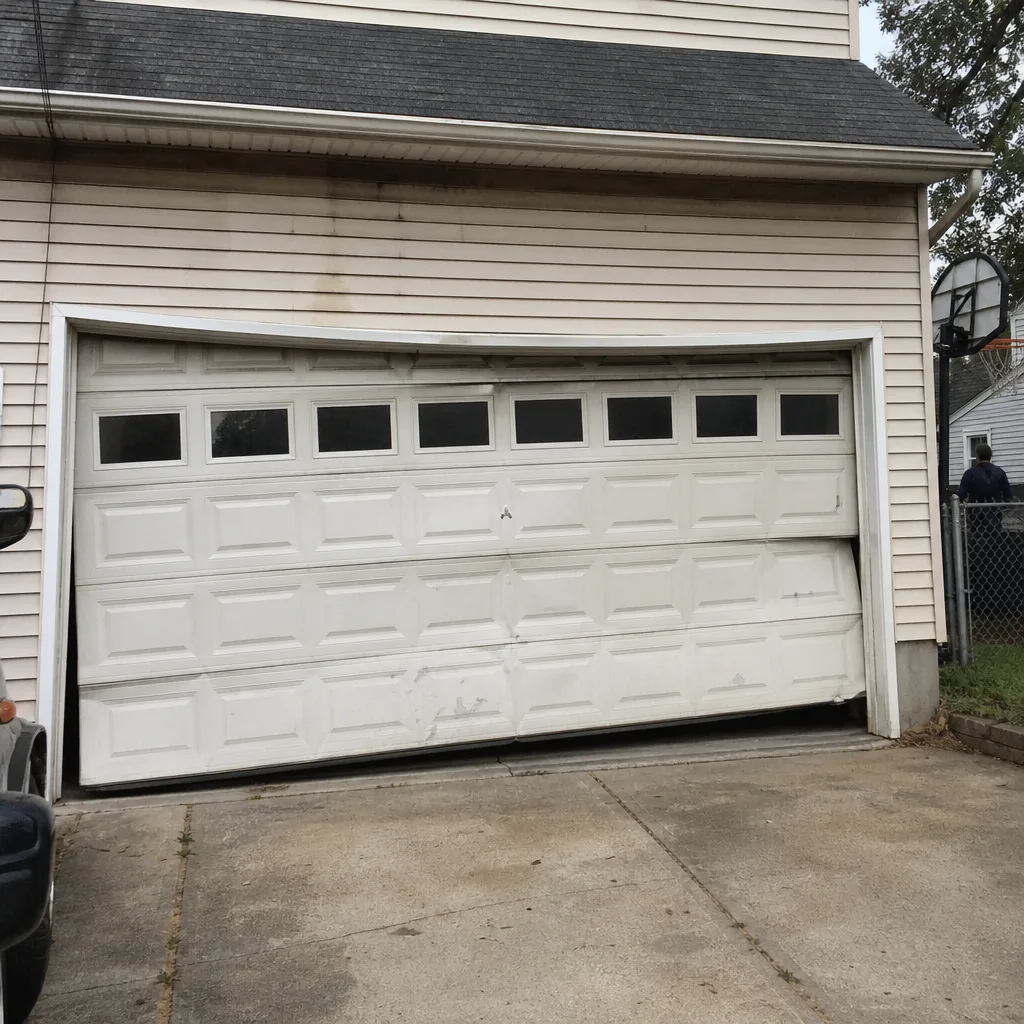 Before
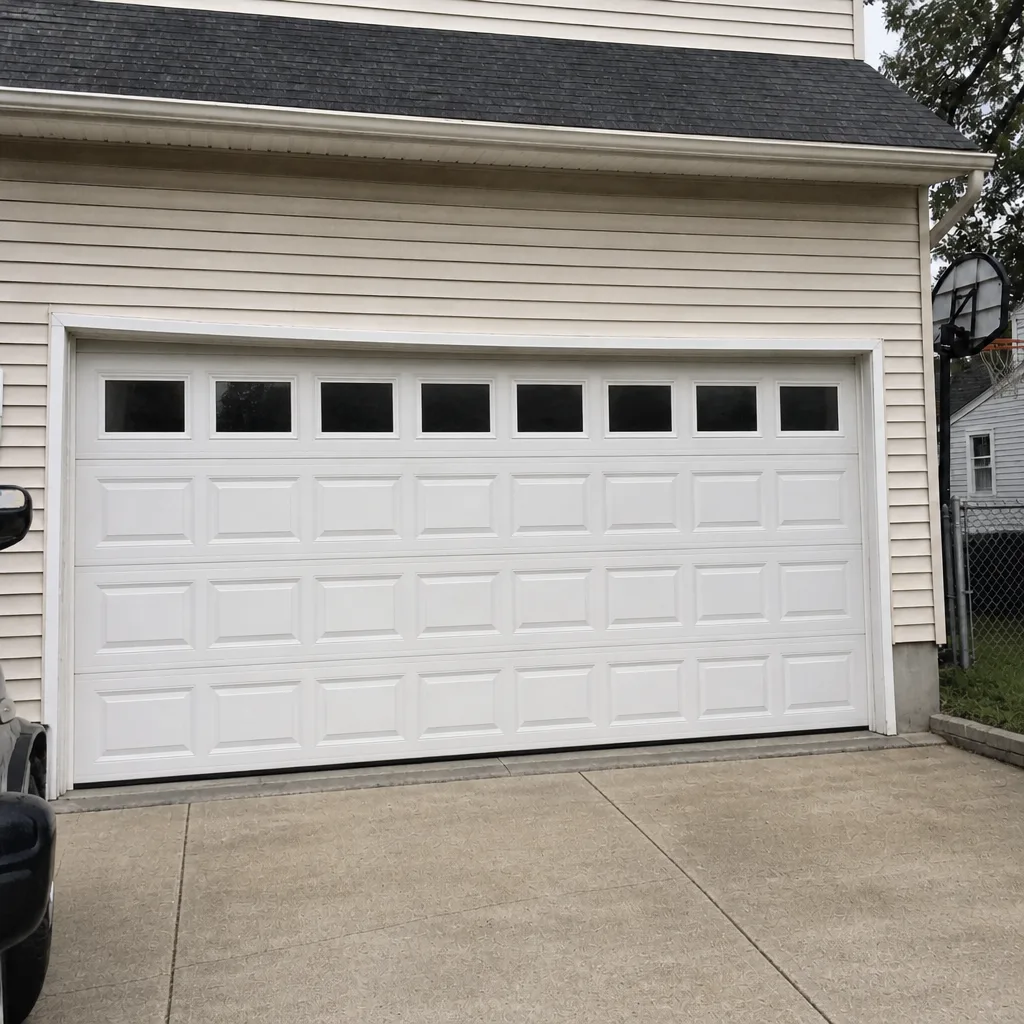 After
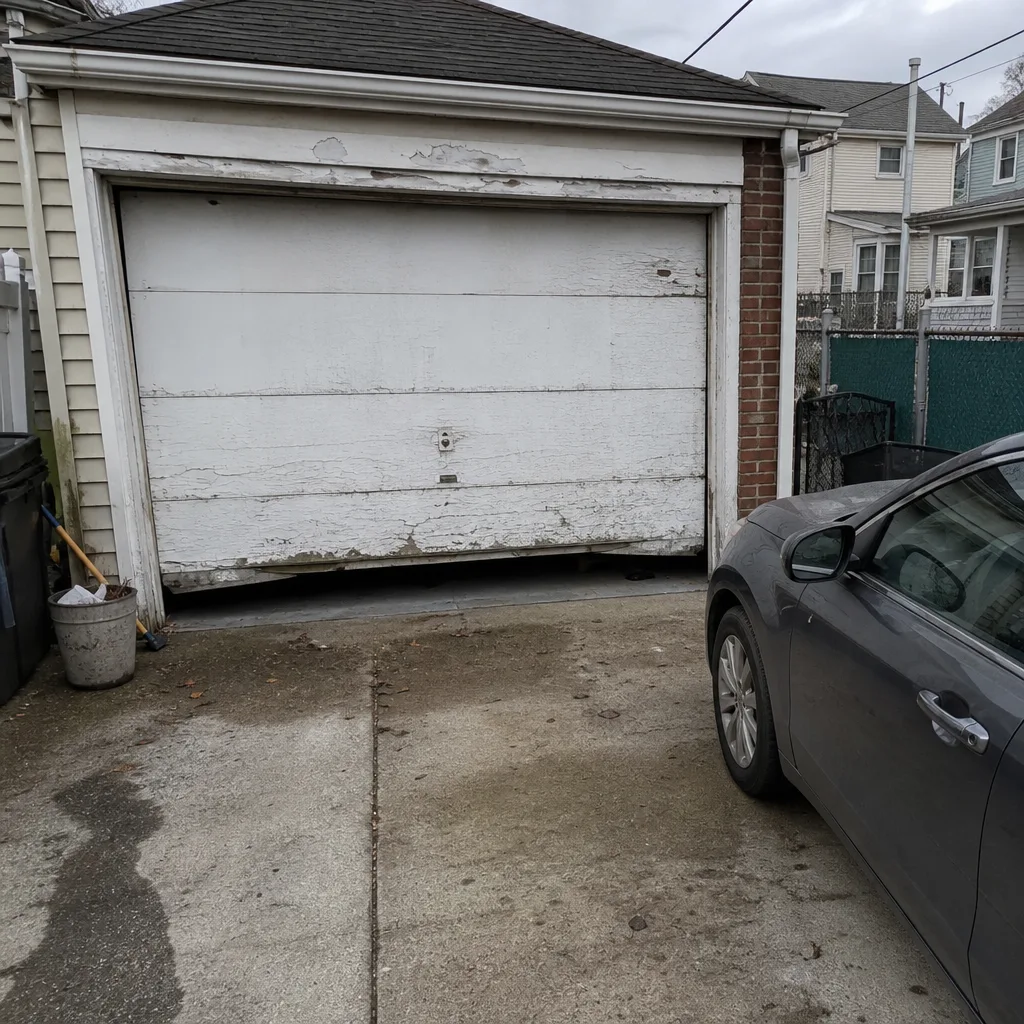 Before
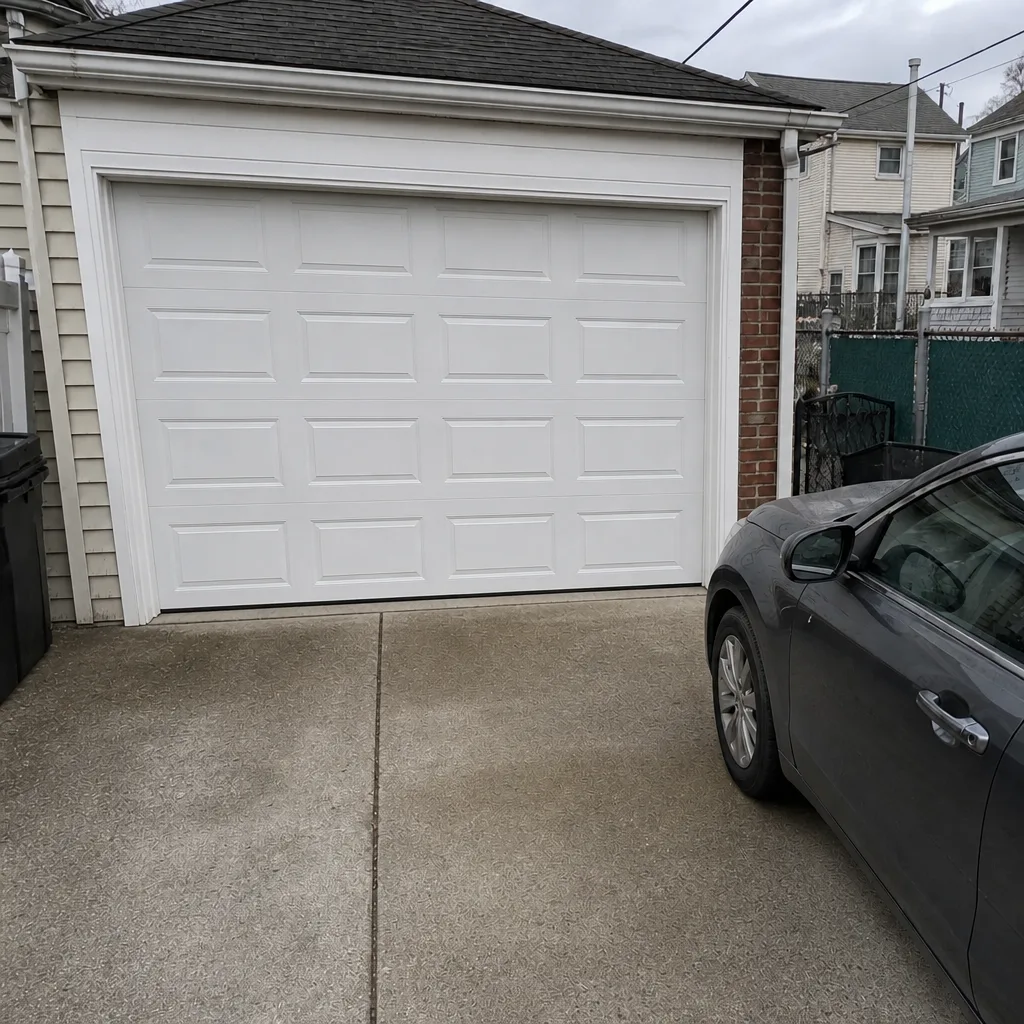 After
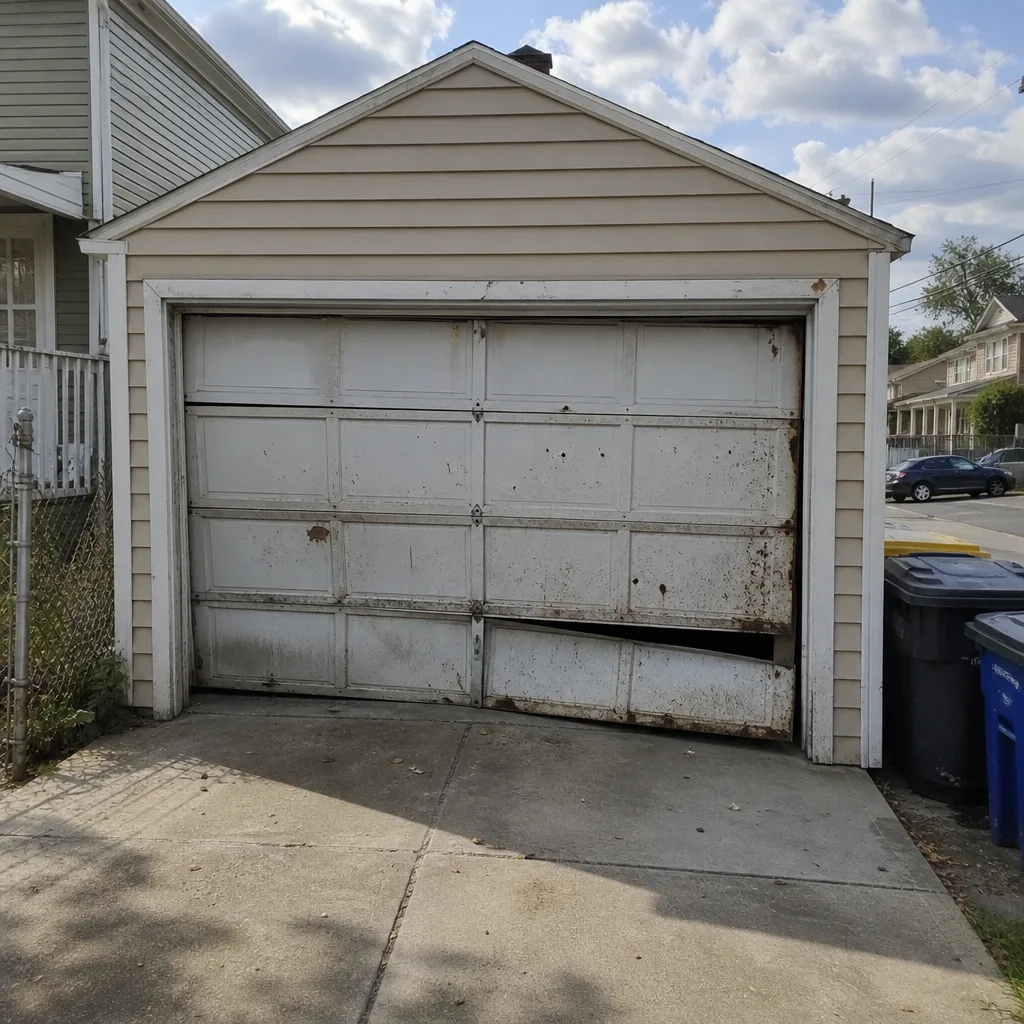 Before
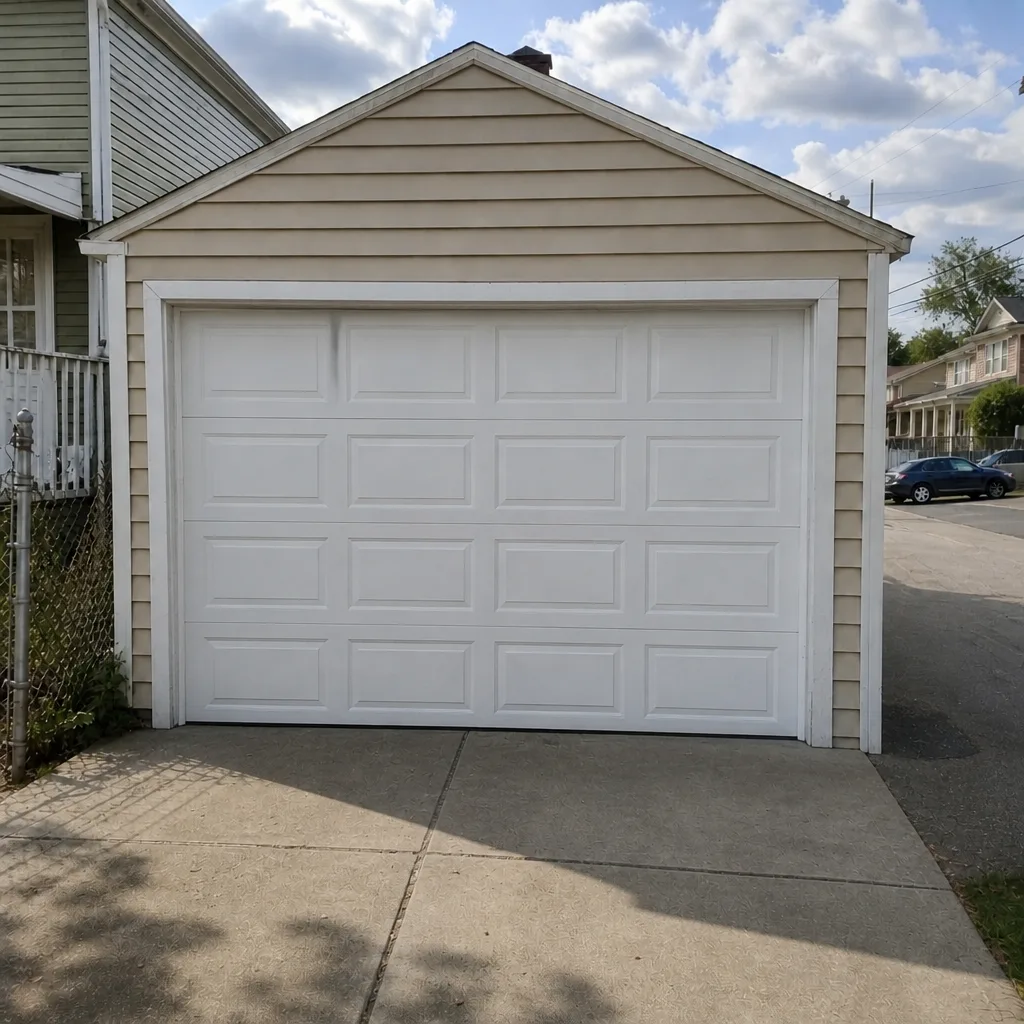 After
When to Call a Professional
Some things you can handle. Many you’d be wise not to. Call a pro when you see a broken torsion spring, a visible gap in the spring coil, a frayed or rusted cable, a door that drops fast or won’t stay up when lifted halfway, or a garage door that won’t close flush no matter how you adjust it. Call if the opener runs but the door moves backwards, stops in mid-cycle, or reverses on its own. Call after a storm if the door or track has taken a hit. The trained-technician rule matters most for the spring and cable, so err on that side. Jasper Garage Door Repair offers free estimates in Jersey City, so there’s no cost to having it looked at. Call (855) 754-6007. We answer 24/7. Fast dispatch from 7am to 7pm, Sunday through Friday. The price is quoted and agreed before any work starts.
Frequently Asked Questions
Late January through February is the highest-risk window for spring failures in Jersey City. That’s when the freeze-thaw cycle has worn springs down over weeks of daily temperature swings. If your door starts making a sharp metallic sound or feels heavier in February, don’t ignore it. Call (855) 754-6007 for an inspection. Estimates are free.
Typical garage door repairs in Jersey City are quoted per job and depend on what’s failing. A bottom seal replacement is on the lower end of the range, while spring or cable work costs more because of the labor and parts involved. The written estimate is the price. Call (855) 754-6007 for a free quote.
No. The written estimate we give you before any work begins is what you pay. If a technician finds something the first look didn’t reveal, you’ll be told before anything changes. Call (855) 754-6007 for a free estimate.
Yes. Our technicians are licensed and insured, and have up to 11 years of experience. We work on the brands most Jersey City homeowners own, including LiftMaster, Chamberlain, Genie, Clopay, Amarr, Wayne Dalton, Craftsman, and Raynor. Call (855) 754-6007 to book a visit.
Yes, same-day service is often available for repair work. We answer 24/7, with fast dispatch from 7am to 7pm, Sunday through Friday. A call outside dispatch hours is booked into the next opening. Call (855) 754-6007. Estimates are free.
Monthly for the safety reverse test, and once or twice a year for a full inspection of springs, cables, and seals. The best times to schedule that inspection are late February after freeze-thaw season and late summer after the humid stretch. Call (855) 754-6007 to schedule.
The Bottom Line
The seasonal advice that matters most in Jersey City isn’t a generic weatherizing checklist. It’s the specific timing of what actually stresses doors here: February’s freeze-thaw cycles on springs, August humidity on cables and seals, fall weatherstripping ahead of the first frost, and the spring salt runoff check on the bottom seal. Follow that schedule, test the safety reverse monthly, and don’t put your hands near a torsion spring. If something looks off, we’d rather diagnose and repair the door and opener you already have than tell you to replace it. One call covers both the door and the opener, and the written estimate is the price.
Call (855) 754-6007 for a free estimate. We answer 24/7. Fast dispatch from 7am to 7pm, Sunday through Friday. If you’re ready to schedule an installation or a larger job, we’ll come out and measure and get you a written price. For everything else, call and we’ll take a look. Browse our Jersey City service area to see how we work locally.
Written by the team at Jasper Garage Door Repair.