
Last updated November 15, 2026
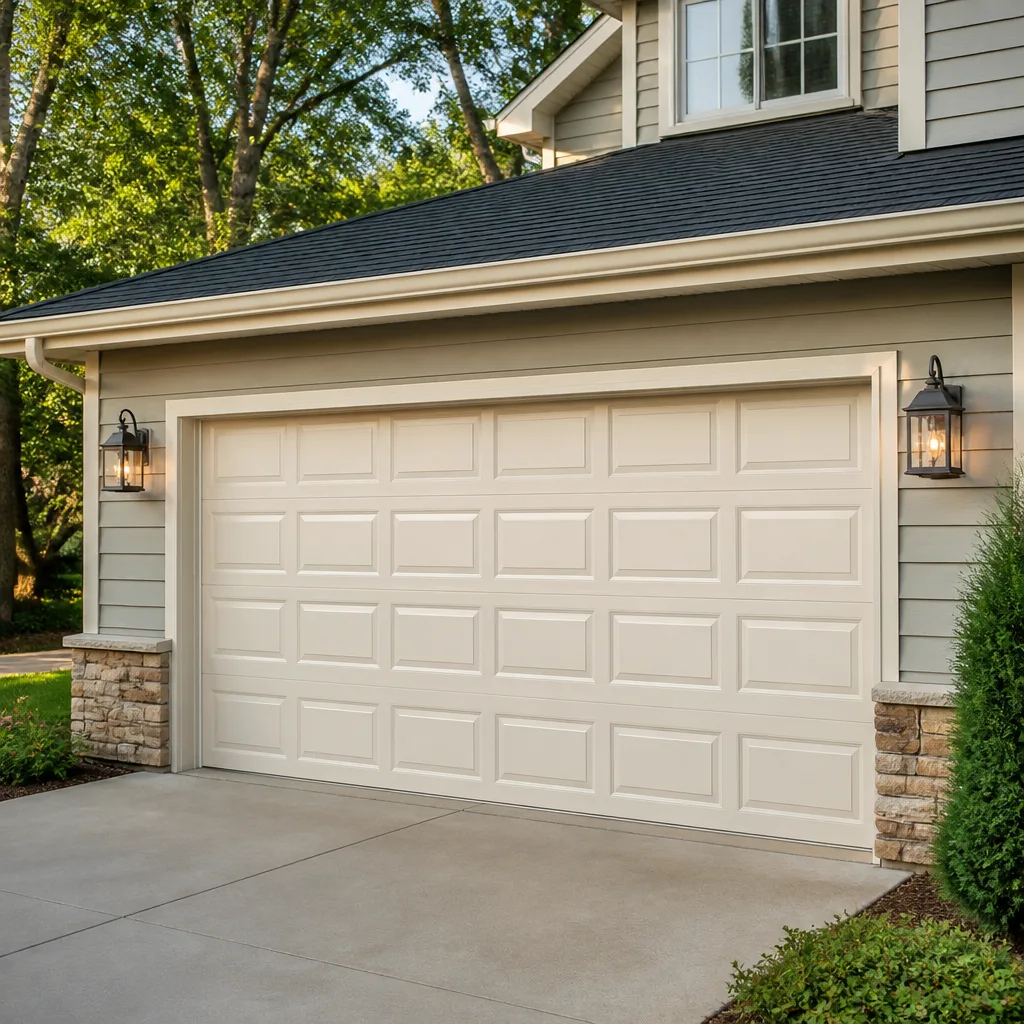 Raised-panel steel
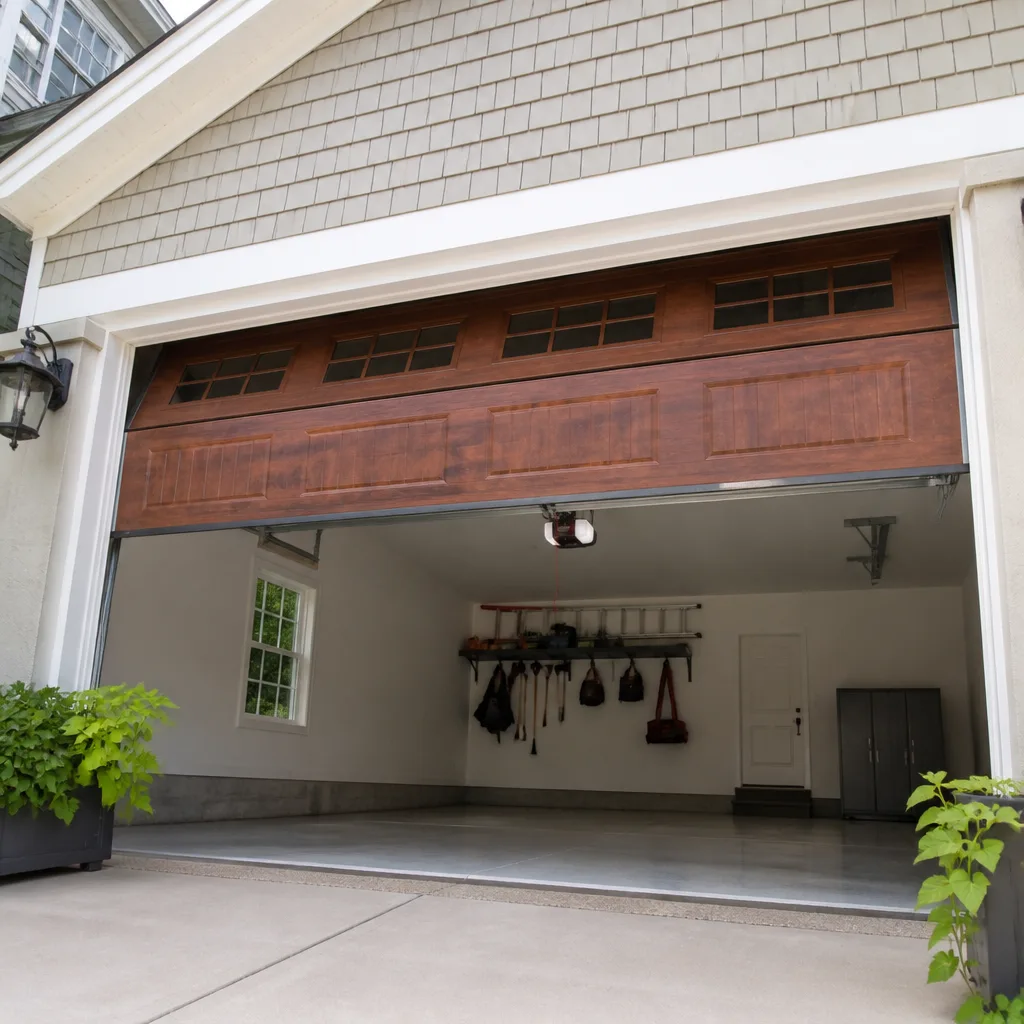
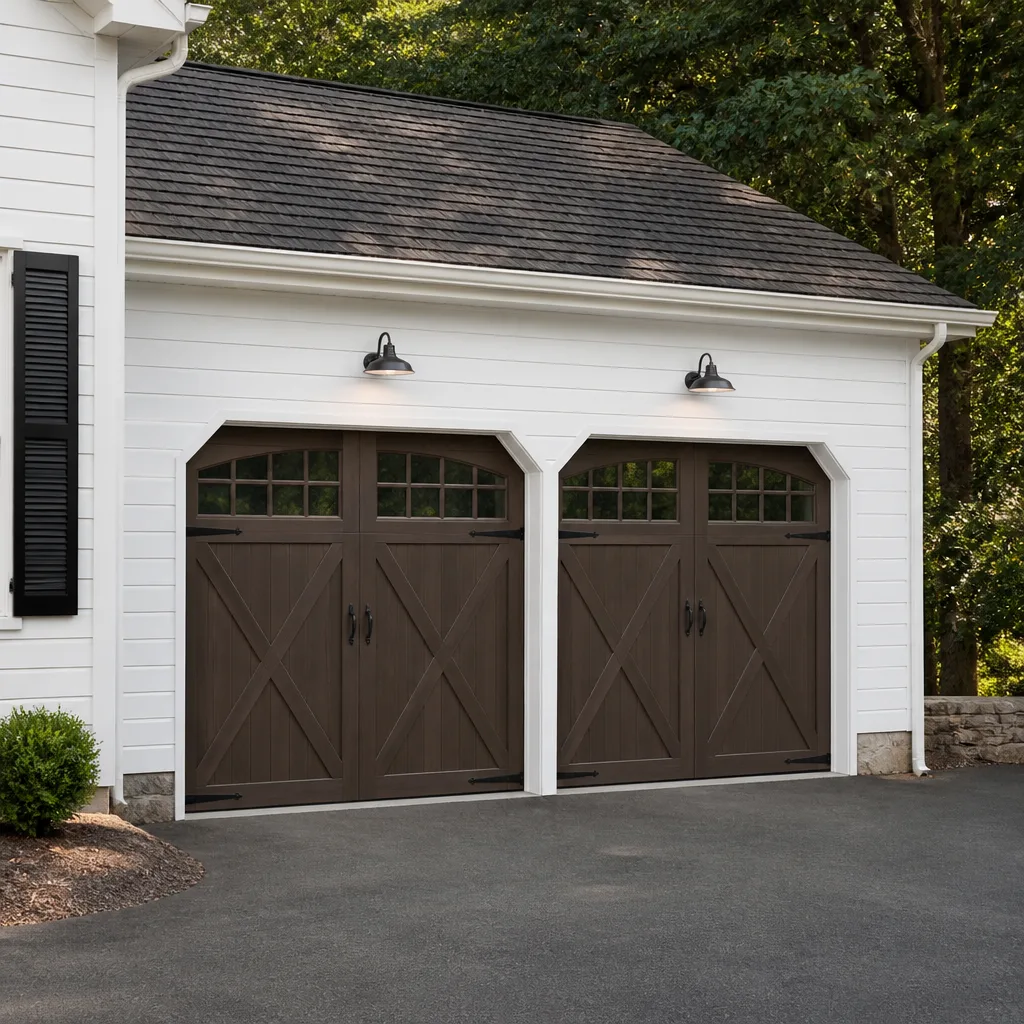 Carriage house
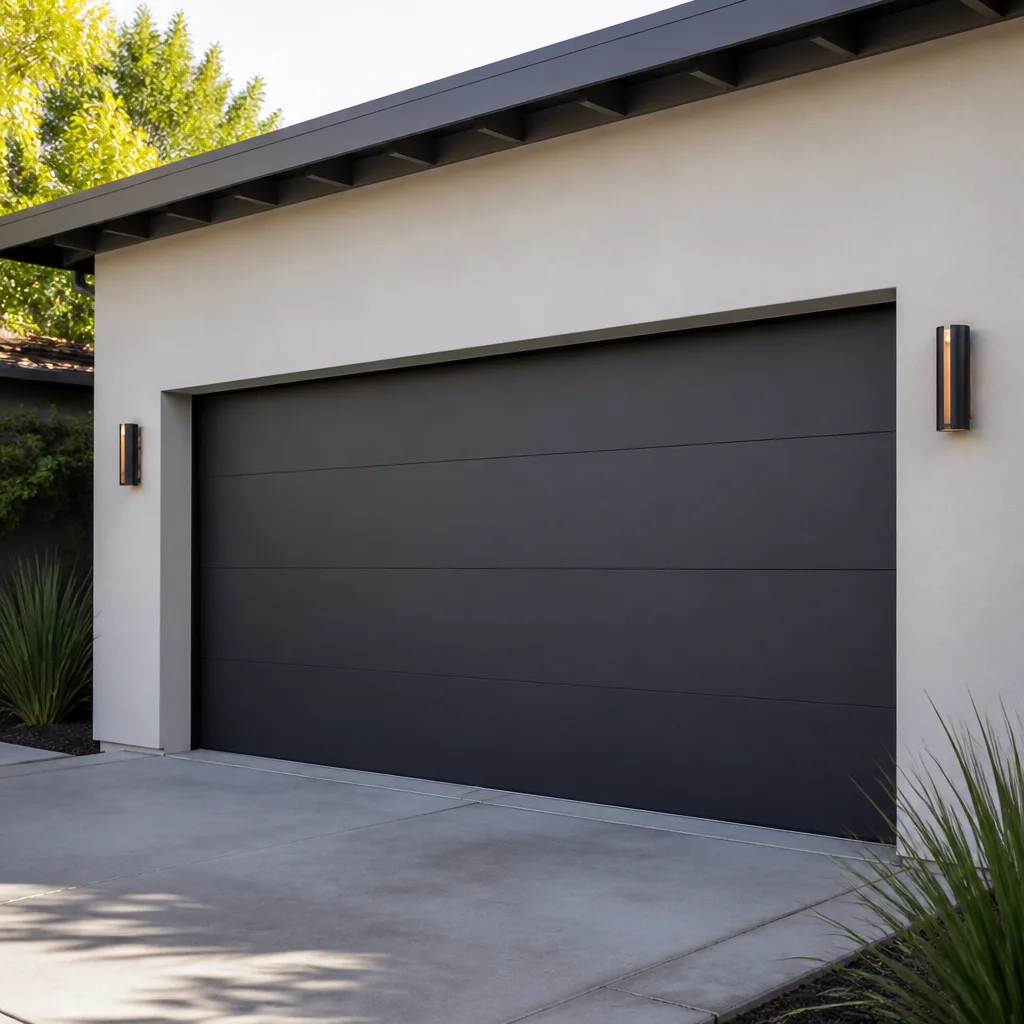 Modern flush
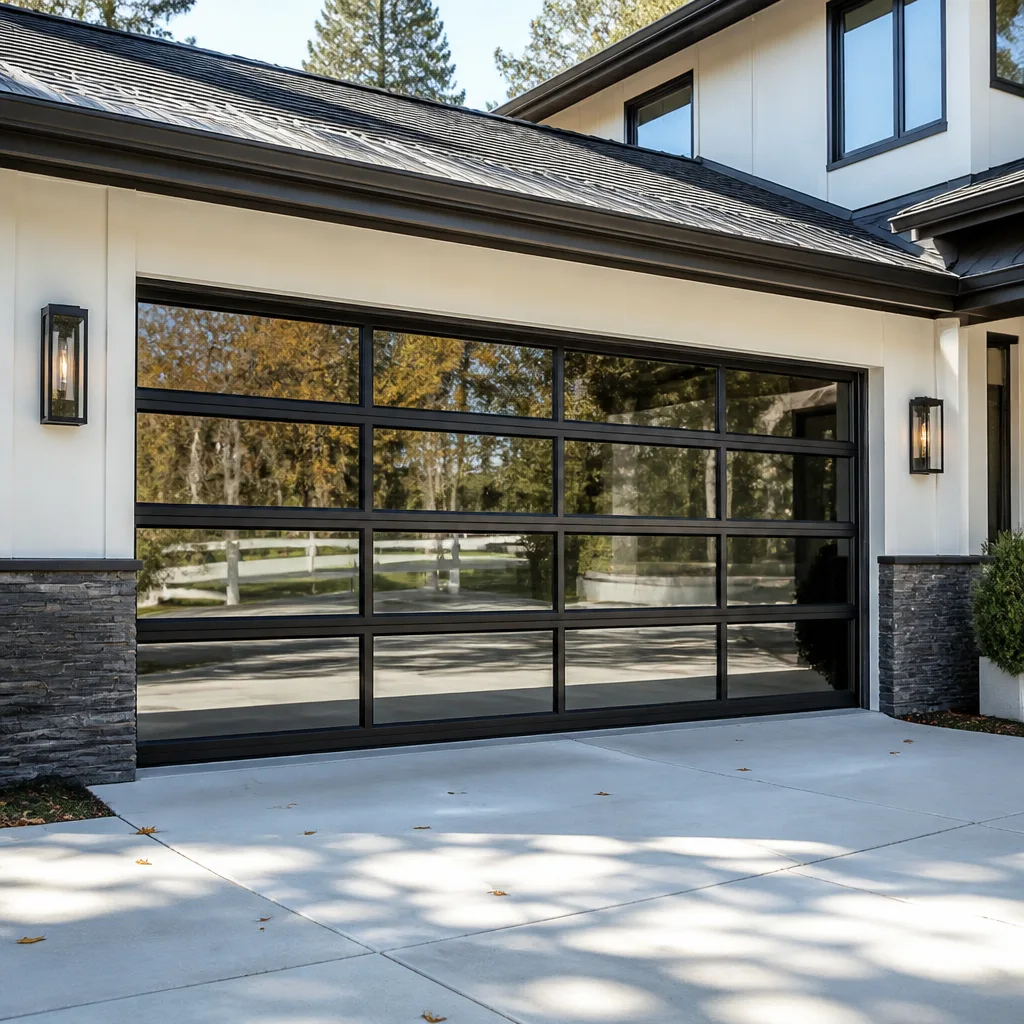 Full-view glass
 LiftMaster openers
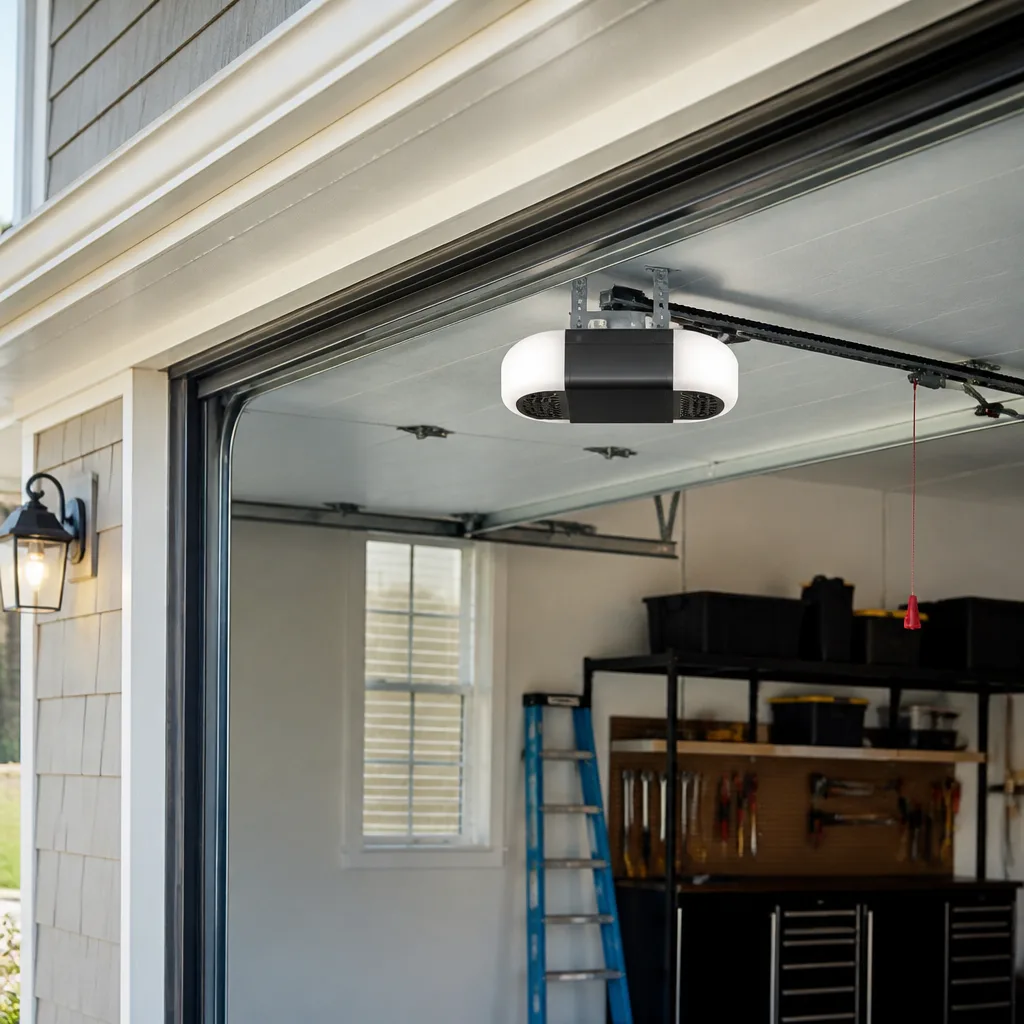 Chamberlain openers
Full 25-point door and opener safety check with every visit - springs, cables, rollers, tracks, and your LiftMaster or Chamberlain opener included
You get a price before we start. It does not change when the pro arrives.
Get your free estimateGarage Door Cost Breakdown: The Jersey City Homeowner’s Reference for 2026
You’ve probably seen a steel garage door advertised online for $800 and wondered why the quote you got was nearly double. That gap is real, and it’s almost never one inflated line item. In Jersey City, the cheap national number assumes a flat lot, an easy disposal path, standard eight-foot ceilings in the garage, and a labor market that doesn’t exist in Hudson County. Add the local pieces and the same door lands somewhere else entirely. This reference walks through what garage doors actually cost to install and repair in Jersey City in 2026, which line items are legitimate and which are padding, and how to read any estimate so you know whether you’re looking at a fair price or a number built to be negotiated down. We work this market, and we wrote it the way we’d explain it at the kitchen table.
Quick Answer
A typical single-car steel garage door installed in Jersey City in 2026 runs roughly $1,400 to $2,500, while wood, aluminum-and-glass, and premium doors climb well past that. Repair usually costs a fraction of replacement: spring replacement is typically $180 to $340 per spring, and a pair runs about twice that. The final price always depends on your written estimate, which should itemize the door, the labor, the hardware, the removal, and the local fees.
Styles & brands we work with
- Raised-panel steel
- Carriage house
- Modern flush
- Full-view glass
- LiftMaster openers
- Chamberlain openers
Table of Contents
- What Actually Drives Garage Door Cost in Jersey City?
- Installed Cost by Door Type: Steel, Wood, Aluminum, and Glass
- What Low-Headroom Installation Adds to Cost
- Opener Costs by Brand and Feature Set
- When Repair Costs Less Than Replacement
- How to Read a Line-Item Estimate and Spot Padding
- Why Brand Familiarity Changes the Quote
- Common Mistakes to Avoid
What Actually Drives Garage Door Cost in Jersey City?
Labor rates, disposal, and permit handling are the three big local multipliers that most online calculators ignore. The national average for a door install assumes a labor pool with cheap overhead and easy access to a landfill or transfer station. Hudson County has neither, and the pricing reflects it.
Here’s what actually goes into the number you’re quoted:
- Labor rates. Skilled trade labor in the Jersey City market runs well above what national calculators use. A door install that takes half a day in a suburban setting may take longer here because of access, parking, and row-house geometry.
- Disposal. Old doors, tracks, and hardware have to go somewhere, and hauling and disposal costs in Hudson County are a real line item. A quote that leaves out disposal will bill it back to you at the end or leave the old door on your curb.
- Permit handling. Most cities require a permit for structural changes or new electrical connections related to an opener, so confirm with Jersey City’s building department. If a permit is required, the fee and the paperwork are costs that belong in the estimate.
- Parking and access. In dense parts of Jersey City, a crew can lose an hour just staging a job. That time is real and it’s priced in.
- Headroom and ceiling height. Urban row garages often run lower than standard, and that often triggers a low-headroom kit or a different track configuration.
None of these are hidden charges when the estimate is written honestly. They’re the pieces that distinguish a Jersey City quote from a national average pulled off a calculator. When you’re comparing bids, compare the line items, not just the bottom line.
Installed Cost by Door Type: Steel, Wood, Aluminum, and Glass
Door material is the biggest swing in the total, and it’s where most homeowners underbudget. The ranges below are typical installed estimates for a single-car door in Jersey City, and they include removal and disposal unless your quote says otherwise. Every range carries this caveat: the written estimate sets the final price, and no installer can quote a firm number before measuring your opening.
- Steel. $1,400 to $2,500 installed. Steel is the workhorse: it insulates reasonably well, resists denting better than aluminum, and fits standard openings without much modification. Most Jersey City homeowners end up here, and most of the time that’s the right call. Non-insulated steel can come in below the low end, and insulated steel with a better finish lands in the middle.
- Wood. $2,500 to $5,500 and up, depending on whether it’s a stock wood door or a custom build. Wood needs more attention in a climate with humid summers and cold winters, so the cost of long-term upkeep belongs in your budget, not just the purchase price.
- Aluminum. $2,000 to $4,000 for the standard range. Aluminum won’t rust, but it dents more easily than steel. It’s common in modern, clean-line designs.
- Aluminum-and-glass or full glass. $3,000 to $6,500 and up. Glass doors are the biggest jump in cost per square foot, and they need careful installation to seal against drafts. The look is worth it for some homeowners, but they’re not a budget choice.
When you’re comparing materials, ask yourself which one fits the house you have. A beautiful wood door on a modest row house isn’t a mistake, but it is a maintenance commitment, and the price of that door shouldn’t crowd out the opener repair you might need next year. We work with Clopay, Amarr, and Wayne Dalton doors regularly, and each offers a range of finishes, insulation values, and price points within the same material family.
What Low-Headroom Installation Adds to Cost
Low-headroom installation typically adds $200 to $600 to a standard door install, and it’s one of the most commonly omitted line items in discount quotes. The upcharge exists because the door needs a different track configuration and sometimes a torsion system that fits closer to the ceiling. In Jersey City’s row-house garages, ceiling heights often fall below the standard, so this is common rather than exceptional.
Here’s how it plays out:
- Measure the ceiling height. Standard doors assume roughly seven feet of headroom above the opening. If yours is less, the installer needs a low-headroom kit.
- Check the track path. Low ceilings may require a rear torsion bar or a front-mount torsion system so the door still lifts and clears the ceiling.
- Consider clearance for the car. The door needs to open fully without hitting a car parked inside, and that can mean adjusting the track pitch or choosing a torsion system instead of extension springs.
- Add the kit and labor. The kit and the additional labor time land on the quote as a distinct item, not as an unexplained bump at the end.
If a contractor’s quote doesn’t mention headroom and your garage ceiling feels low, ask. The honest answer is either “we measured and it’s fine” or “you’ll need the kit for this.” A quote that skips the question altogether probably assumes it away and hopes you don’t notice.
Opener Costs by Brand and Feature Set
Opener prices in Jersey City typically break into three tiers: $350 to $550 for a basic chain-drive unit, $500 to $850 for a belt-drive or mid-range smart opener, and $800 to $1,200 or more for premium units with battery backup, smartphone control, and quiet operation. The installation labor adds roughly $150 to $400 on top, more if your existing wiring or ceiling mount needs modification.
Which brand you choose matters less than which feature set you actually need. LiftMaster and Chamberlain are the two most common residential units, and a Genie is a solid alternative if you want a straightforward, quiet drive. Here’s how to think about the tiers:
- Chain-drive. The least expensive, the loudest, and the most mechanical. If your opener sits above a living space or a bedroom, chain drive will be audible from inside the house.
- Belt-drive. Quieter, smoother, and worth the extra cost if the opener is mounted under a room you use. The jump from chain to belt is one of the best value upgrades in openers.
- Jackshaft (side-mount). Mounts on the wall beside the door instead of overhead, which frees up ceiling space and is common in low-headroom garages. It’s the natural choice when a traditional opener won’t fit.
- Smart and battery-backup. Wi-Fi integration, smartphone control, and a battery backup that lets the door operate during a power outage. Expect to pay more upfront, and around $150 to $300 to add a battery backup after the fact. If the power fails and the door’s dead, getting out isn’t just inconvenient.
Opener repair is a service many door companies outsource or skip, and we hear about that often from homeowners who called us because the first company only pitched a full new door. If your opener is a LiftMaster, Chamberlain, or Genie unit and it’s failing, repairing it is usually cheaper than replacing the whole system, and it’s worth asking why before you sign for a new door.
When Repair Costs Less Than Replacement
Repair pencils out cheaper than replacement in most cases where the door panels and framing are intact. The crossover point comes when the cost of repair plus the age and condition of the door approaches 50% of the replacement price. Past that threshold, a new door often makes more financial sense than pouring money into a failing one. The specific crossover points by component:
- Springs. Broken springs are the most common garage door failure and the cheapest to fix relative to replacement. A single spring typically runs $180 to $340, and a matched pair runs about twice that. If the door panels and opener are fine, this is almost always a repair, not a replacement.
- Opener motor. A failing opener is usually a repair job, not a door job. A motor replacement typically runs $200 to $450 installed on a standard unit. It only tips toward replacement when the opener is very old and the door itself is also failing.
- Panels. A single dented or cracked panel can usually be replaced without changing the rest of the door, which keeps the cost down. But when the panels are no longer made in a match, you’re looking at a full replacement.
- Tracks and rollers. These are cheap to replace and rarely justify a new door on their own.
- Cables. A frayed or snapped cable is a safety problem, not a budget problem. It gets fixed quickly, and the door doesn’t need replacing.
We’ve seen Jersey City homeowners quoted a full replacement when the actual fix was a spring and a roller set. Before you accept a new-door pitch, ask what exactly has failed. If the answer is “the door is old,” ask for the specific failed components. A technician who’s familiar with your door and your opener can usually tell you which it is in a few minutes.
How to Read a Line-Item Estimate and Spot Padding
A good estimate is legible line by line, with each item you can price against your own research. A padded one tends to bury costs in vague descriptions or leave out things it should include. Here’s what to look for, and how to tell the two apart:
- Read the door line. It should name the manufacturer and model. “Standard garage door” is not a line item. Clopay, Amarr, and Wayne Dalton each publish model numbers, so you can look up the door and see the manufacturer’s price.
- Find the labor line. It should be broken out, not folded into the door price. If the labor isn’t visible, you can’t compare it against another quote.
- Check for removal and disposal. This should be a line, not a footnote. In Jersey City, hauling a steel door to a disposal facility costs money, and a quote that skips it either plans to bill you later or leave the door behind.
- Ask about permits. If your city requires one for the work, the permit cost and the paperwork should be on the estimate. If you’re told it isn’t needed, confirm that with the city’s building department.
- Look for the low-headroom question. If your ceiling is low, the kit should be its own line. This is a common omission, and it often shows up as a surprise charge halfway through the job.
- Compare the totals. A fair quote doesn’t have to be the cheapest. If one number is dramatically low, look for what’s missing rather than assuming the others are overcharging.
That covers the honest reading. Now the padding to watch for:
- Vague “miscellaneous” or “hardware” lines with no description of what’s included.
- A “disposal fee” that’s separate from and much larger than the labor fee for no stated reason.
- Pricing that stays the same regardless of door type, as if the difference between steel and wood didn’t matter.
- A quote that only mentions replacement when a repair would address the actual problem.
- Pressure to decide on the spot. A fair estimate doesn’t need to be signed at the kitchen table.
The best practice is to get a written estimate, ask for a copy, and compare line by line against a second quote. Nobody should expect you to decide on a garage door in one sitting. A free estimate is the starting point, not a deadline.
Why Brand Familiarity Changes the Quote
Working with the brand on your door usually means a faster diagnosis and fewer substitutions. We’re factory-familiar with eight major brands, including LiftMaster, Chamberlain, Genie, Clopay, Amarr, Wayne Dalton, Craftsman, and Raynor, and that matters most in the parts you don’t see: the torsion springs, the opener logic boards, the remote frequencies, and the bottom seal profiles. A technician who knows LiftMaster and Genie systems can spot a failing logic board without guessing, and one who knows Clopay doors can tell whether a panel can be replaced or the whole door needs to come out.
It also means our recommendations follow your setup rather than what happens to be sitting on a van. If your existing door is fine and the opener is failing, that’s what we tell you. If the reverse is true, we tell you that too. A brand-agnostic approach doesn’t mean we’re indifferent to brands. It means the diagnosis comes first, and the parts follow.
One-call coverage for both the door and the opener is another reason brand familiarity pays off. If the opener is failing and the door is also dragging, diagnosing the two separately can cost you two call-outs and two separate trips. Working on both in one visit lets the technician find the actual cause instead of treating each symptom as a separate job.
Common Mistakes to Avoid
- Comparing bottom-line totals without reading the line items. A quote that’s $300 cheaper can be $500 more expensive once disposal, the low-headroom kit, and the permit are added. Read the line items first.
- Replacing the door when the opener is the problem. A failing opener can make a perfectly good door seem broken. Ask what has failed before accepting a new-door quote.
- Skipping the low-headroom question. In Jersey City’s row garages, low ceilings are common. If the quote doesn’t mention headroom, ask about it.
- Not asking what disposal covers. Old doors need hauling, and the cost belongs in the estimate, not as a surprise at the end.
- Assuming you need a permit when you don’t, or vice versa. Some jobs do, some don’t. Confirm with Jersey City’s building department rather than trusting a quote that either skips the topic or overpromises.
- Taking a same-day pitch on an install. Installations have to be measured, ordered, and scheduled, so be wary of anyone who tells you they can install a door the same day they quote it.
- Ignoring the spring safety rule. Torsion springs are under heavy tension, and mishandling them can cause serious injury. This is a job for a trained professional, not a weekend project.
See the difference
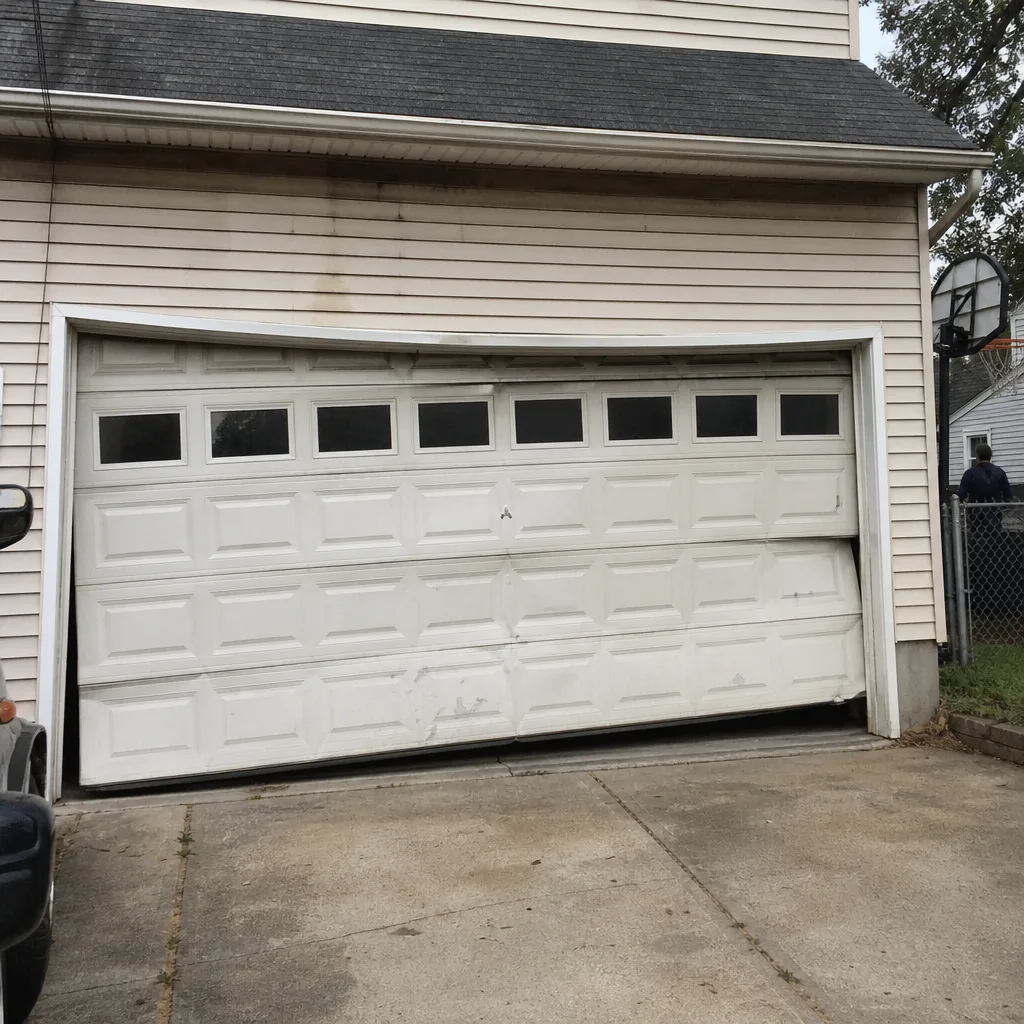 Before
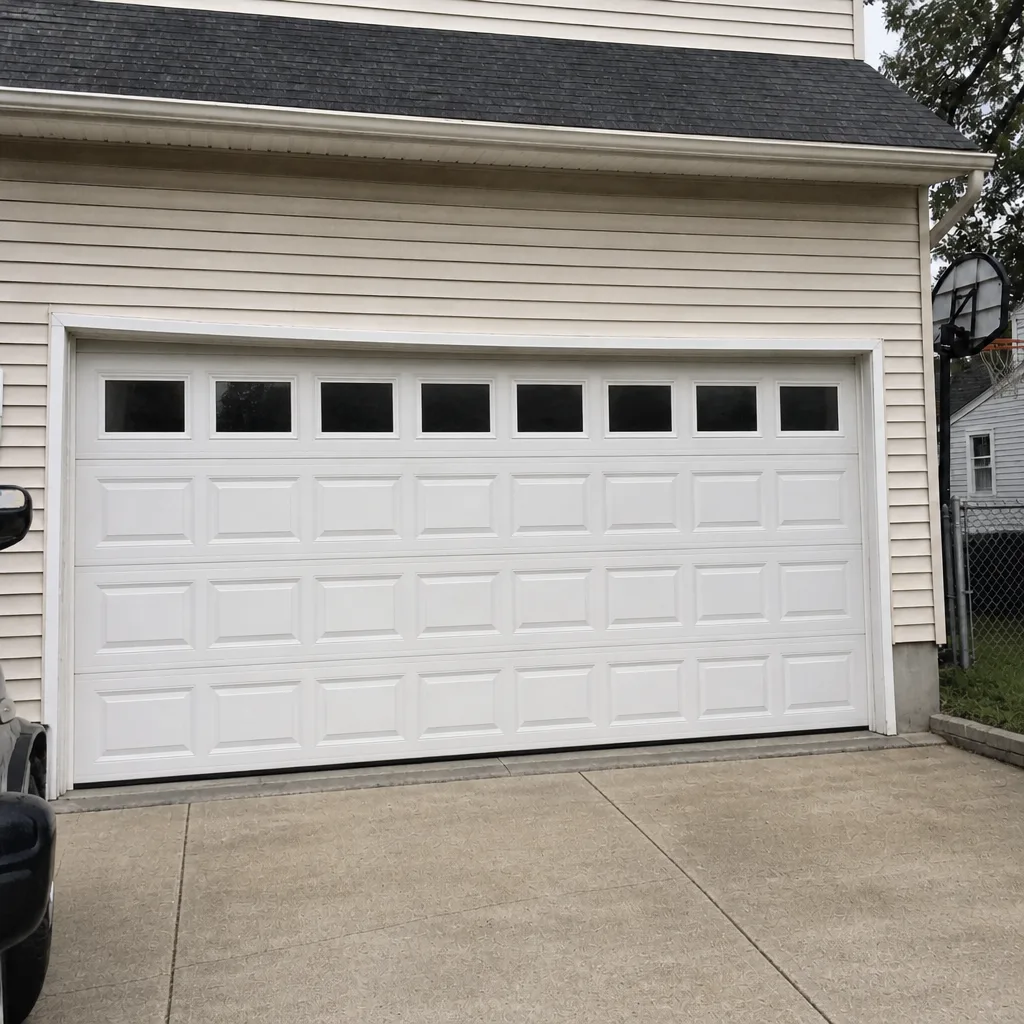 After
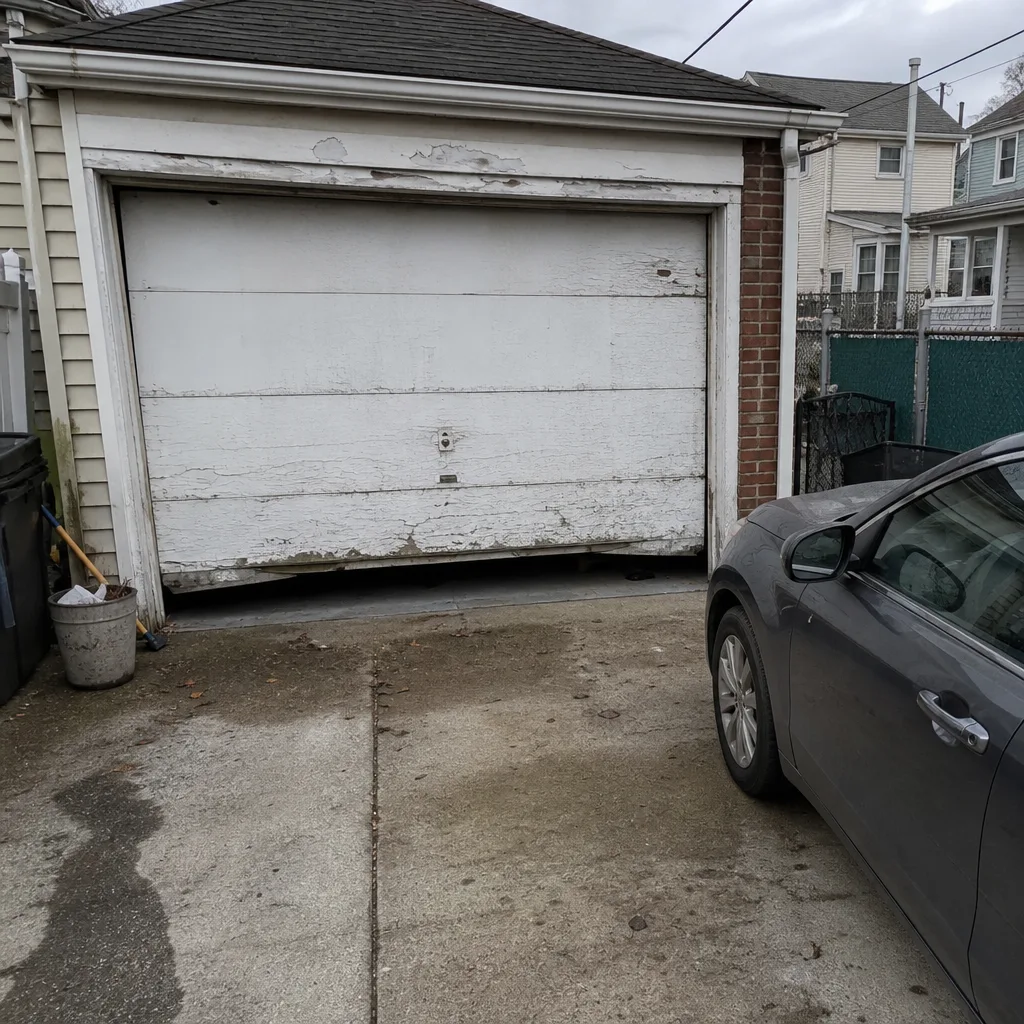 Before
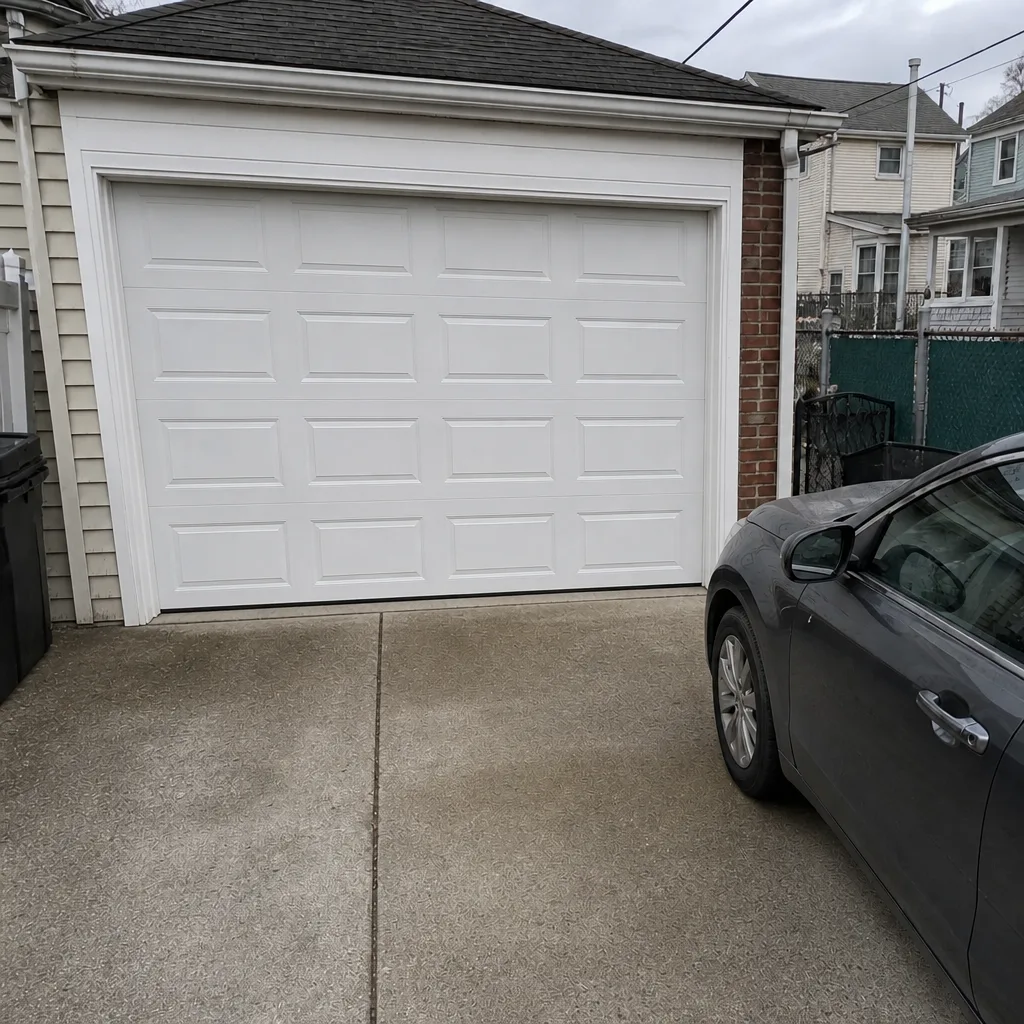 After
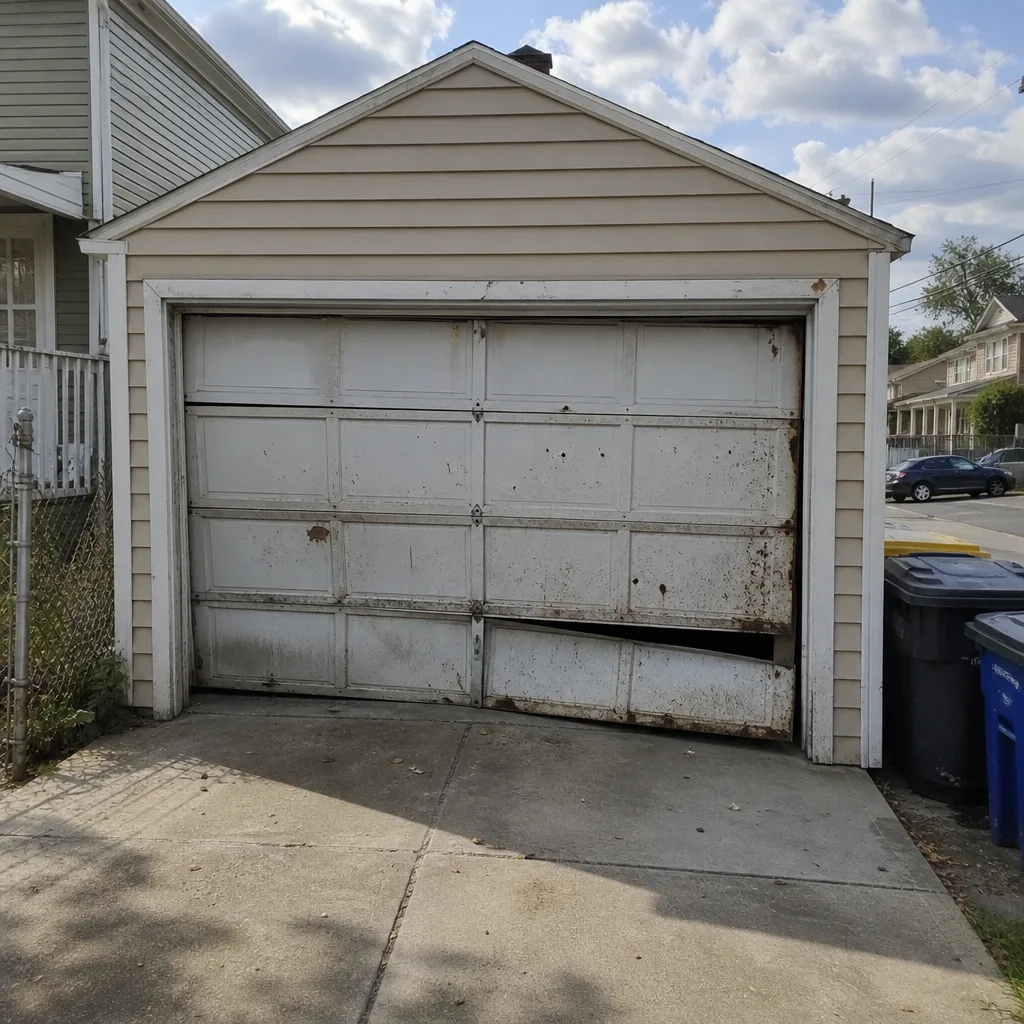 Before
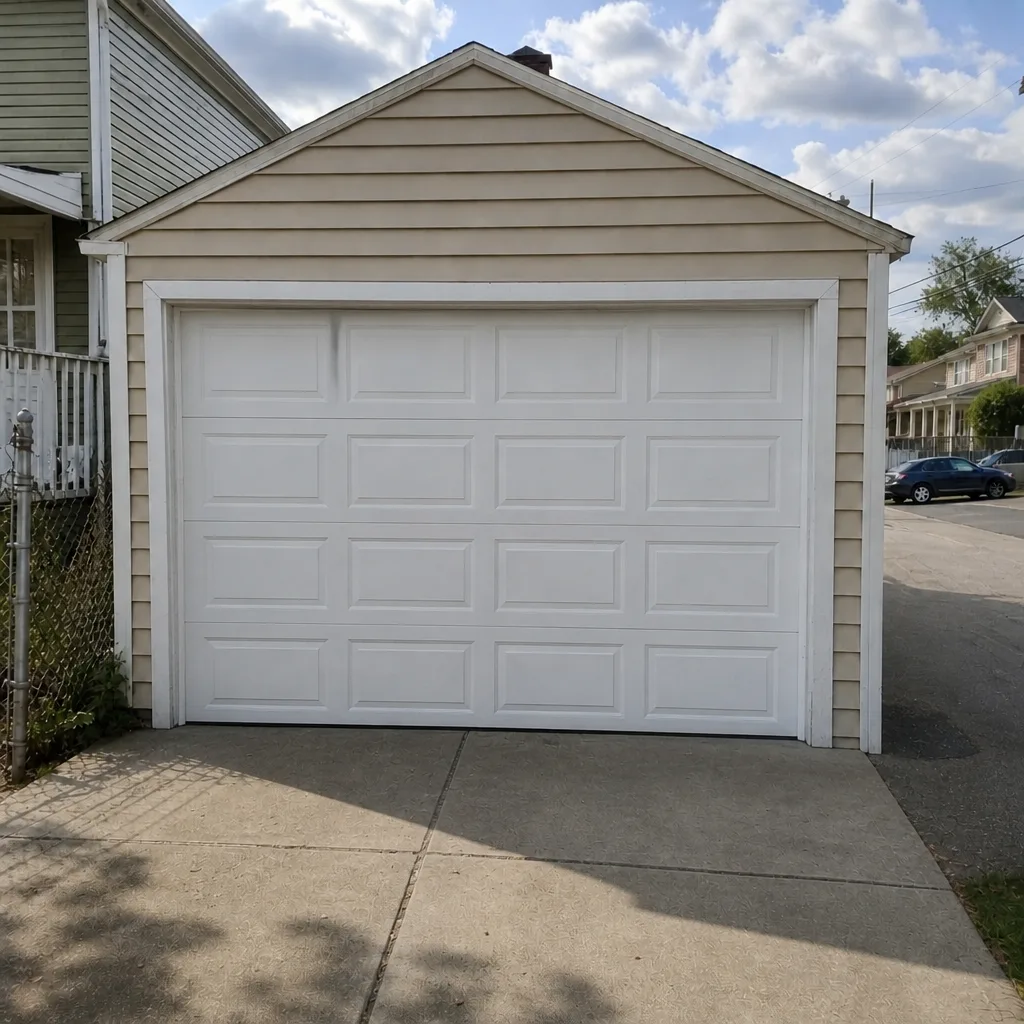 After
When to Call a Professional
Call a professional when the spring is broken or visibly stretched, when the door is crooked, when the opener runs but doesn’t lift, or when the door comes down harder than it should. Those scenarios are either dangerous to handle yourself or require diagnosis the average homeowner doesn’t have the tools for. A door that won’t stay up, a snapped cable, or a grinding opener all point to the same call: get a trained technician out to see what’s actually going on. Springs, cables, and torsion systems carry stored tension and belong to a professional, and so does anything involving the opener’s wiring or the safety sensors. Jasper Garage Door Repair offers free estimates in Jersey City and covers both the door and the opener in one visit. We answer 24/7. Call (855) 754-6007. Fast dispatch from 7am to 7pm, Sunday through Friday.
Frequently Asked Questions
Typical installed estimates for a single-car door run $1,400 to $2,500 for steel, $2,500 to $5,500 for wood, $2,000 to $4,000 for aluminum, and $3,000 to $6,500 for glass or aluminum-and-glass. The final price is set by the written estimate. Call (855) 754-6007 for an exact quote on your door.
We answer 24/7, and spring repair is often scheduled the same day. A broken spring is one of the most common calls we get in Jersey City, and the repair is usually quick. Spring replacement typically runs $180 to $340 per spring, with a matched pair about twice that. Call (855) 754-6007 for an exact quote. Estimates are free.
The written estimate sets the price, and we quote and agree it before any work starts. Access issues, low headroom, or hidden damage can change the quote, but you’ll hear the revised number before we touch the door. Call (855) 754-6007 for a free estimate.
Yes. We connect you with licensed and insured technicians who work on the major residential brands, including LiftMaster, Chamberlain, Genie, Clopay, Amarr, Wayne Dalton, Craftsman, and Raynor. Our technicians have up to 11 years of experience. Call (855) 754-6007.
Labor rates in the Hudson County market, disposal fees, and permit handling add layers that most national cost calculators don’t account for. Row-house garages also frequently need a low-headroom kit, which adds $200 to $600. The gap is usually in those local line items, not in the door itself. Call (855) 754-6007 to get a Jersey City-specific number.
Repair usually costs less than replacement when the panels and framing are intact. Springs, openers, rollers, and cables are typically repair jobs, and the math only tips toward a new door when the repair cost approaches half the replacement price. Call (855) 754-6007 for a free estimate and a straight answer on which makes sense for your door.
The Bottom Line
Garage door pricing in Jersey City isn’t a single number you can look up online. It’s the door plus labor, disposal, permit handling, and the local installation details that national calculators skip. Read every estimate line by line, ask what’s included, and compare the same categories across quotes. A fair quote explains its costs; a padded one hides them. If a quote doesn’t mention disposal or headroom, ask about it before you sign. And if someone pitches a full replacement before a diagnosis, ask what has failed. Repair is often the answer. If you’re ready for a real number from a company that knows the brands on your door and the buildings in this city, call Jasper Garage Door Repair at (855) 754-6007 for a free estimate. We answer 24/7, with fast dispatch from 7am to 7pm, Sunday through Friday.
Written by the team at Jasper Garage Door Repair.