
Last updated November 15, 2026
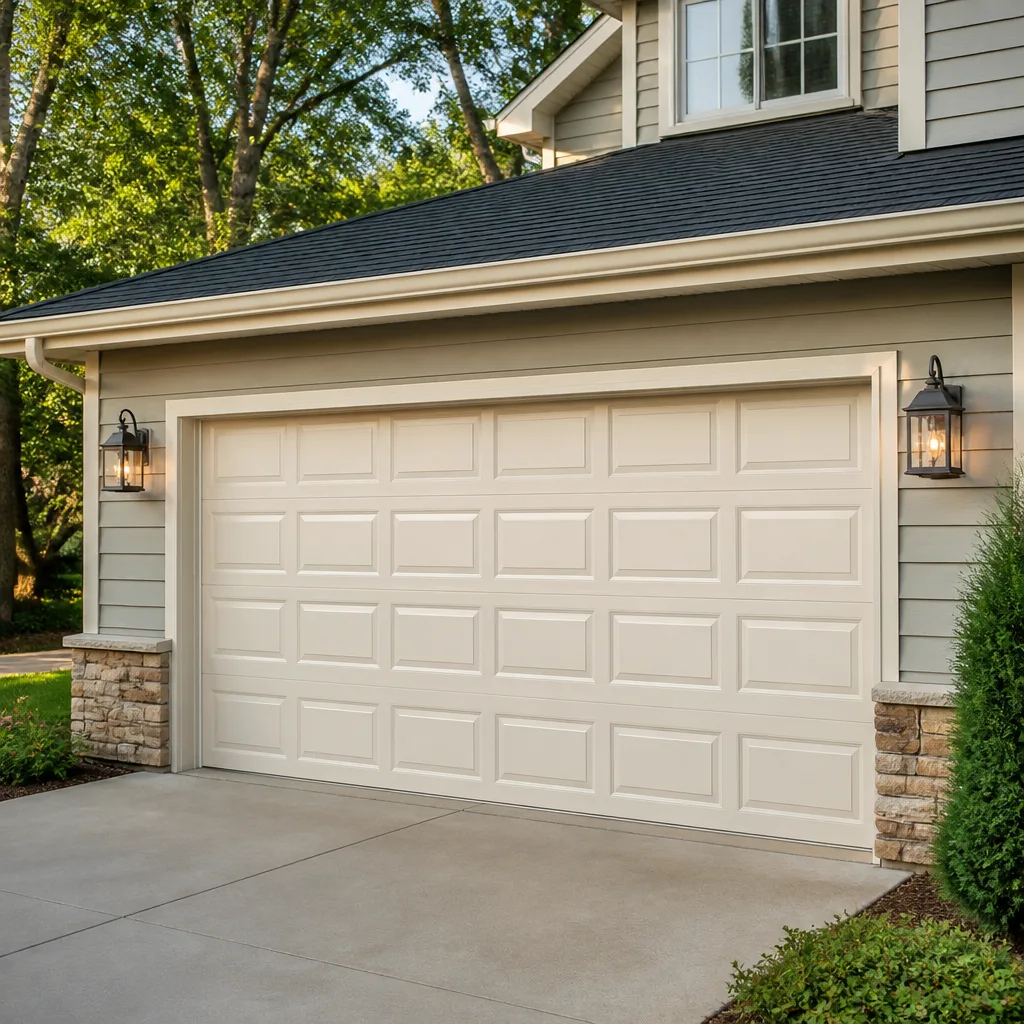 Raised-panel steel
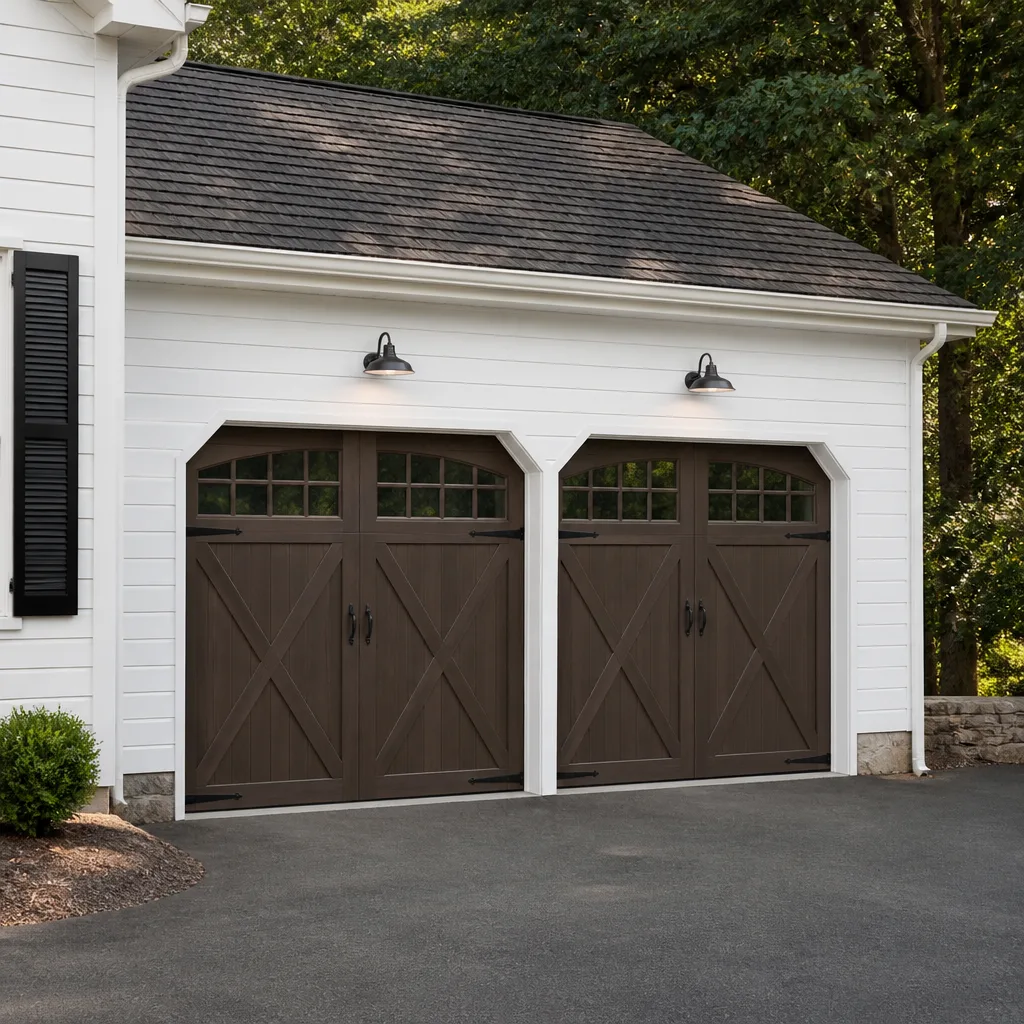 Carriage house
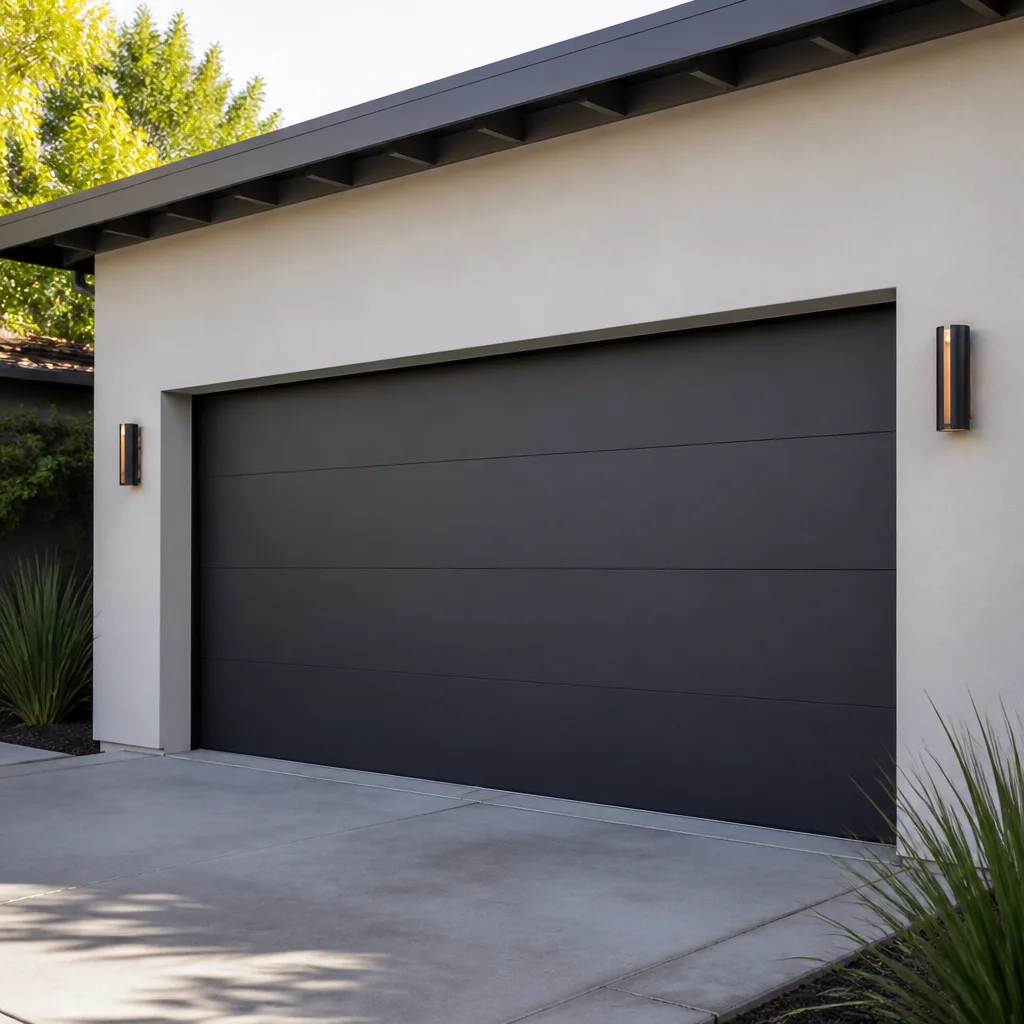 Modern flush
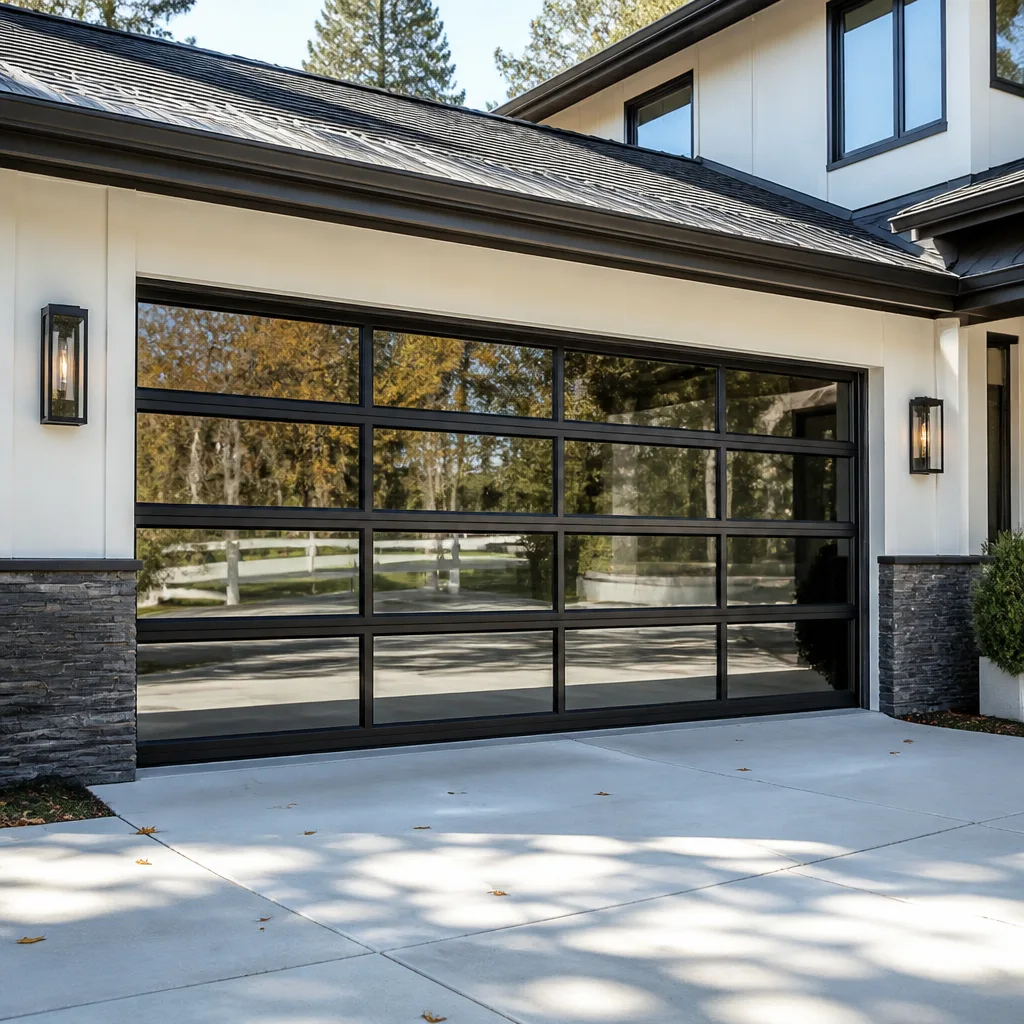 Full-view glass
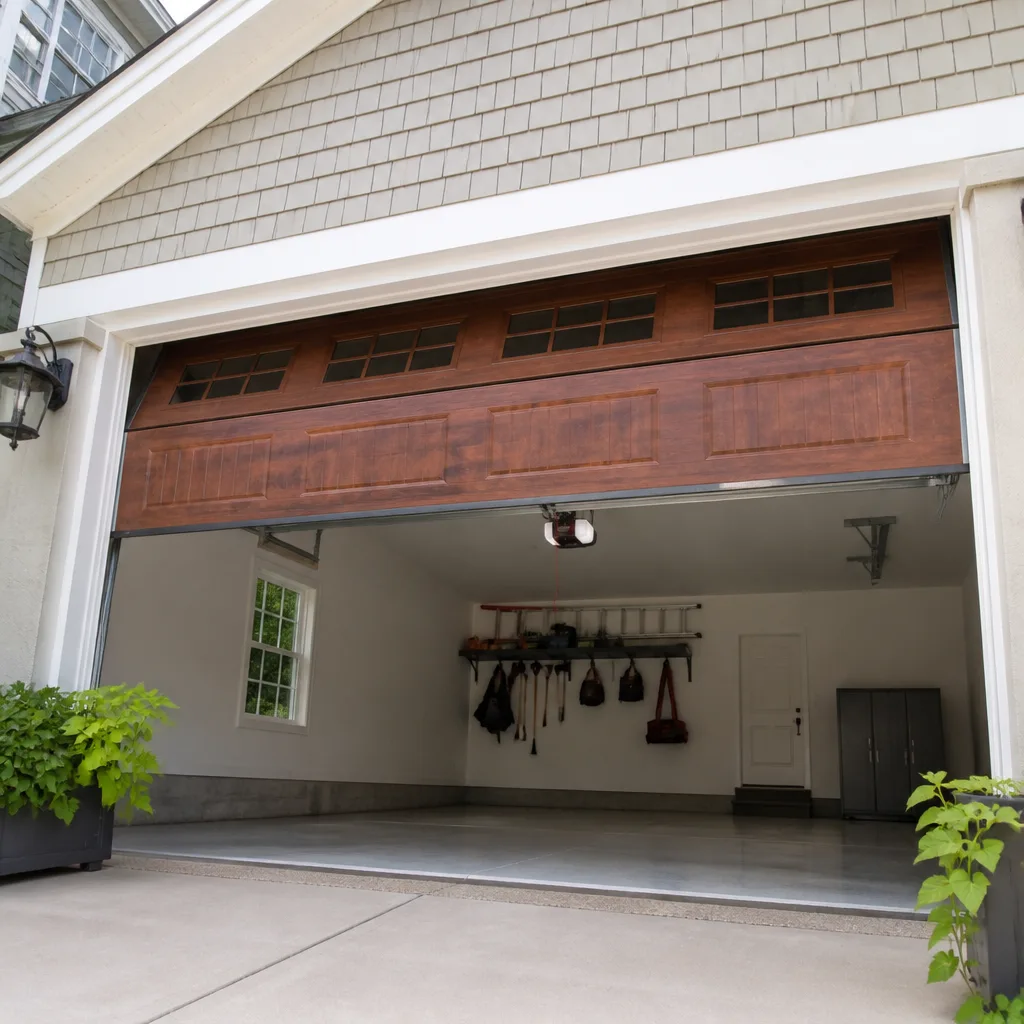 LiftMaster openers
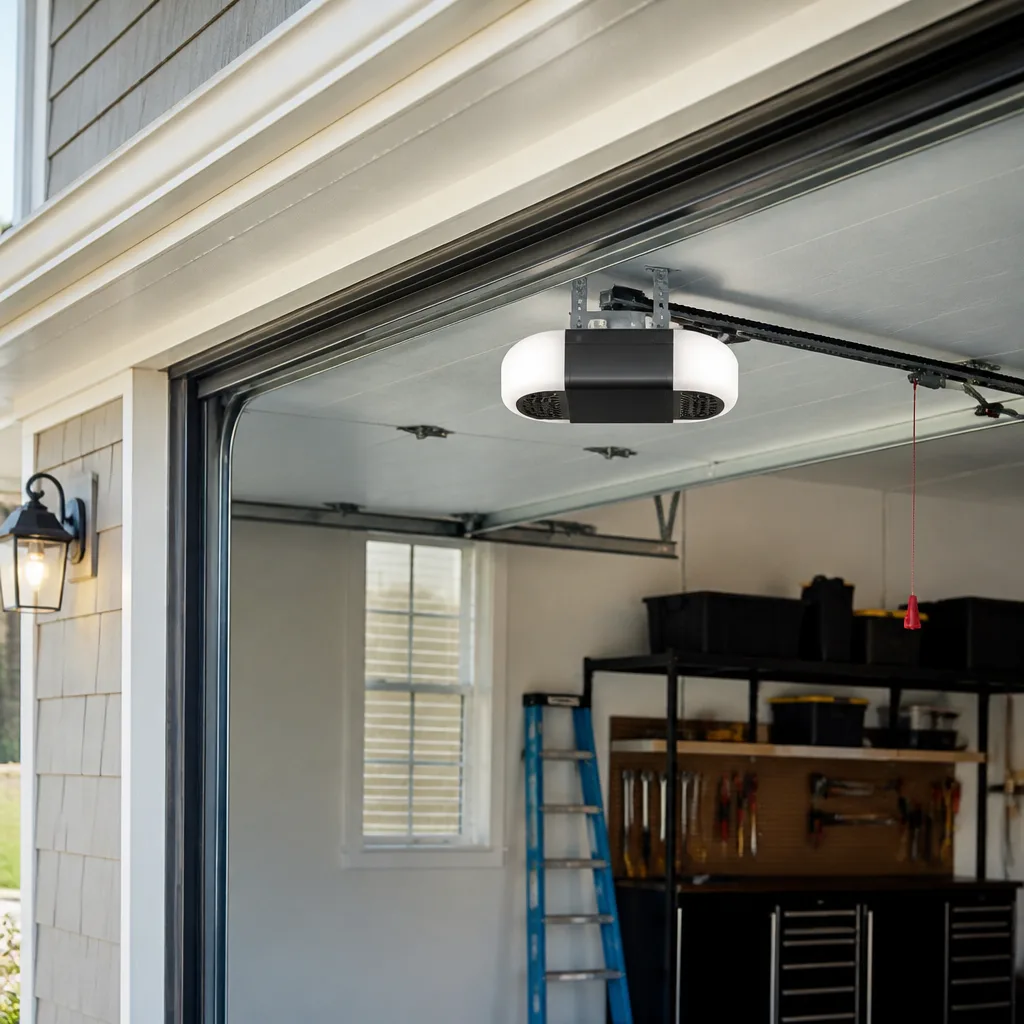 Chamberlain openers
Full 25-point door and opener safety check with every visit - springs, cables, rollers, tracks, and your LiftMaster or Chamberlain opener included
You get a price before we start. It does not change when the pro arrives.
Get your free estimateGarage Door Repair Troubleshooting in Jersey City: Common Problems and How to Fix Them
A door that reverses before it touches the floor isn’t broken. It’s doing exactly what it was programmed to do. The problem is that whoever set the travel limits last didn’t finish the job, and now the opener thinks the floor is six inches higher than it actually is. We see this pattern constantly, and it’s a good example of why garage door troubleshooting goes wrong for most homeowners: people chase the symptom they notice (the reversal, the grinding, the gap, the slow crawl) instead of working backward to the mechanical link that caused it. This guide teaches you to read your door as a sequence. We’ll map symptoms to causes, separate the handful of things you can safely adjust from the ones that need a technician, and give you a decision tree at the end so you know whether to fix it now, keep an eye on it, or call today. Everything here applies to the doors and neighborhoods we actually work on in Jersey City.
Quick Answer
Most garage door problems trace back to one of five components: the springs, the cables and drums, the rollers and tracks, the safety sensors, or the opener’s logic and travel settings. You can safely diagnose and adjust the last three yourself. Spring tension and cable drums are the two categories that require a trained technician regardless of how confident a video makes you feel, because both are under extreme load and can cause serious injury. If your door is crooked, slams down, or a cable has come off its drum, stop using the opener and call a professional.
Styles & brands we work with
- Raised-panel steel
- Carriage house
- Modern flush
- Full-view glass
- LiftMaster openers
- Chamberlain openers
Table of Contents
- How to Read Your Door’s Symptoms: A Problem Map
- Why Jersey City Doors Wear Differently Than Suburban Ones
- The Five Things You Can Safely Adjust Yourself
- The Two Categories You Should Never Touch
- Is It Electrical, Mechanical, or the Logic Board?
- Safety Sensors and Travel Limits: The Two Settings That Cause the Most False Alarms
- Quick-Reference Decision Tree: Fix Now, Monitor, or Call Today
- Common Mistakes to Avoid
- When to Call a Professional
- Frequently Asked Questions
How to Read Your Door’s Symptoms: A Problem Map
Start with what you can see and hear, then work backward. Garage door troubleshooting in Jersey City gets much faster once you stop treating each symptom as its own mystery and start asking which component could produce multiple symptoms at once.
Here’s the mapping we use:
- Door reverses before hitting the floor: travel limits set too high, a misaligned safety sensor, or a bind in the track that the opener mistakes for an obstruction. This is the most common “false alarm” call we get.
- Door goes down partway, then goes back up: usually the safety sensor beam is being interrupted, or the down-force setting is too sensitive for a door that’s picked up friction at the rollers.
- Grinding or scraping sound: worn steel rollers, dry hinges, or a track that has been nudged out of alignment. If the sound started suddenly, suspect the track.
- One side of the door sags: a stretched or broken spring on one side, a cable that’s jumped its drum, or a roller that has popped out of the track. This is a stop-using-it symptom.
- Door is slow to start or stalls: opener gear or drive issue, or a door that’s gotten heavier because the springs have lost tension.
- Gap along one side or the bottom: the door is out of square, the track is off, or the bottom seal has flattened. A gap that’s new since last season usually means something shifted.
Notice how often a single cause shows up across symptoms. A door that’s picked up friction at the rollers will sound like grinding, feel heavy, and trip the safety reverse. Fix the rollers, and three “separate” problems vanish. That’s the sequence thinking that saves you money. If you’d rather have a trained eye read the sequence for you, our garage door repair team can walk the whole system in one visit.
Why Jersey City Doors Wear Differently Than Suburban Ones
Jersey City isn’t a suburb with wide driveways and doors that only cycle twice a day. The density of the city changes how garage doors fail, and the wear patterns homeowners expect from a suburban house don’t match what happens here.
Three local factors show up again and again in our diagnosis:
- Shared and tight driveways. In dense neighborhoods like the Heights and Journal Square, many doors sit behind a shared drive or a parking pad where a car has to be backed in and out close to the door. Doors get cycled more often and get bumped more often. A door that’s nudged out of square by a bumper hit shows up as a gap or a slowdown that the homeowner blames on the opener.
- Parking pressure and rapid cycles. Homes near the waterfront and around Downtown often have a second vehicle, a scooter, or a delivery pattern that means the door opens and closes far more times a day than a typical suburban door. More cycles means springs wear out faster and rollers flatten sooner. If your door feels heavy suddenly, the spring has likely been losing tension for months before it got noticeable.
- Humidity swings off the Hudson. The river and the bay don’t produce the kind of salt-heavy coastal wear some cities see, but the humidity and freeze-thaw pattern of the region do work on steel hinges, rollers, and the bottom seal. A door that ran fine in fall can bind in a cold snap because a hinge dried out or a seal stiffened.
The takeaway: in Jersey City, a door that gets more cycles per day than its hardware was designed for will show wear earlier, and the first sign is usually a heavy-feeling door, not a broken part. Treat “it feels heavier than it used to” as a real warning, not aging. If you’ve noticed it, our technicians can check the balance and the springs in the same visit. You can also read up on our garage door opener repair work if the drive system is part of the fault.
The Five Things You Can Safely Adjust Yourself
Plenty of garage door maintenance is genuinely a homeowner job. None of it involves the parts under load. Here are the five adjustments that are safe to make yourself, and how to know when you’re done.
- Safety sensor alignment. Check that the two sensors across the opening are pointing at each other and that the LED on each is steady, not blinking. A small bracket nudge is all most need. Wipe the lenses with a dry cloth; a dusty lens reads as a blocked beam.
- Lubrication. A light application of a garage-door-rated lubricant on the hinges, rollers, and the spring coil (not the track interior) quiets squeaks and reduces friction. Don’t spray the track itself; grease in the track collects grit and causes the very binding you’re trying to fix.
- Track debris. Wipe the inside of the track with a rag. A pebble or a wad of leaf litter in the track is a common cause of a grinding noise and a sudden reversal.
- Reversing test and force setting. Place a 2×4 flat on the floor in the door’s path and confirm the door reverses on contact. If your opener has a force adjustment, follow the opener’s own manual exactly. Don’t push it past the manufacturer’s recommended setting to get a stubborn door to close.
- Weather seal inspection and replacement. The bottom seal can be swapped without touching the springs. If it’s cracked or flattened, a new seal closes the gap that lets cold air and water in.
Two rules of thumb: if a fix requires a ladder over a car or a squeeze into a tight corner, and if the door is currently held open by an opener arm rather than its own spring, stop. That’s the boundary. If a small adjustment has turned into a bigger job, we work on your brand without requiring a replacement shell; whether the door is a Clopay or a LiftMaster system, we repair what’s there first.
The Two Categories You Should Never Touch
Spring tension and cable drums are the two parts of a garage door that can injure or kill a person, and no amount of confidence from a video changes that. A torsion spring is under hundreds of pounds of stored energy even when the door is closed and looks harmless. A cable under load can whip loose with tremendous force. We treat both as technician-only, always.
Spring tension. A broken torsion spring or extension spring is the single most common major failure, and it’s also the one where DIY attempts cause the most injuries. The failure mode is sudden: a loud bang, the door drops, and the opener can’t lift it. Don’t try to force the opener to lift a door with a broken spring; it will burn out the motor. The right move is to stop using the door and call for repair. A torsion spring replacement is a job for a technician who has the correct winding bars, the right wire size, and the training to do it safely. We repair rather than replace the door itself in the vast majority of spring calls.
Cable drums. If a cable has come off its drum, if the door hangs at an angle, or if you can see a cable that’s frayed or slack, stop. Don’t open or close the door by hand, and don’t try to re-seat the cable. A door with a slack cable can drop without warning. This is one of the few situations in home repair where the correct answer really is “call before touching it.”
Both jobs need a trained technician, and both are why we lead with repair capability rather than replacement. A spring or cable failure doesn’t mean you need a new door. If you’ve been told otherwise, get a second opinion from our team before you buy anything.
Is It Electrical, Mechanical, or the Logic Board?
Before you call anyone, you can usually narrow an opener problem to one of three categories. Knowing which one you’re in changes the conversation. Here’s a simple diagnostic order.
Start with the remote and wall switch. If the wall switch works but the remote doesn’t, the problem is the remote, its battery, or the receiver pairing, not the door. If neither works, the fault is in the opener itself or its power supply.
Check the power and the safety sensors. Confirm the opener has power at its outlet, then check the sensor LEDs. A blinking or dark sensor LED means the opener is in a lockout state and will refuse to close the door. That’s electrical/logic, not mechanical, and it’s the most common reason a door “won’t close” when the opener motor clearly still runs.
Listen to the motor. If you hear the motor run but the door doesn’t move, the problem is mechanical: a stripped gear, a broken drive belt, or a trolley off the rail. If you hear nothing at all, the problem is electrical or the logic board. If the motor runs, the door moves partway, and then the opener stops and reverses, you’re looking at a travel-limit or force-setting issue, which is logic.
That third distinction saves a lot of wasted time. “Motor runs, door doesn’t move” is a different repair from “motor dead silent.” On Genie, Chamberlain, and LiftMaster units we can usually confirm the category before the visit and quote accordingly, and if the logic board is the culprit, we tell you that before we recommend anything else. We work on the opener as a standalone repair, so you’re not forced into a door replacement to get a drive problem fixed. If you’re in Jersey City and want the whole Jasper Garage Door Repair team to look at both the door and the opener in one visit, that’s exactly the kind of call we handle.
Safety Sensors and Travel Limits: The Two Settings That Cause the Most False Alarms
Most “my garage door is broken” calls in Jersey City turn out to be a sensor or a travel-limit setting that’s drifted, not a failed part. Understanding how these two settings behave will save you a service call and, more importantly, keep you from the wrong fix.
The safety sensor. The two small sensors on either side of the door opening shoot an invisible beam across the threshold. If anything interrupts that beam, the opener treats it as an obstruction and refuses to close the door. In Jersey City, where a shared driveway or a parking pad often puts a car, a bike, or a trash bin near the opening, it’s easy to nudge a sensor bracket by a fraction of an inch. A sensor that’s aimed a hair off center reads as a blocked beam every time.
The travel limits. Every opener has a down limit (where the door should stop at the floor) and an up limit (where it should stop at the ceiling). If the down limit is set too high, the door reverses because it thinks it hit the floor six inches early. If it’s set too low, the door drives into the floor and the safety system kicks it back up. This is the setting that causes the “door reverses before hitting the floor” problem from the top of this guide.
Confirming a sensor issue is simple. Watch the LED on each sensor while you press the wall switch. A steady LED means good; a blinking or dark LED means the beam is interrupted or the sensor has power trouble. A clear line of sight between the sensors and clean lenses solves the majority of these. If the sensors are aligned and the door still reverses, the down limit is the next suspect, and that’s a job for the opener’s manual or a technician.
One more note: don’t tape a sensor down or bypass it because the door “won’t close.” That beam is a safety device, and a door that closes without it can trap a person or a pet. If a sensor won’t stay aligned, it needs a bracket check, not a workaround.
Quick-Reference Decision Tree: Fix Now, Monitor, or Call Today
Here’s the short version we’d give a friend on the phone. Match your situation to a column.
Fix it now (safe to handle yourself):
- The safety sensor LED is blinking or dark, and the bracket has clearly been nudged. Straighten and test.
- The track has visible debris in it. Wipe it out and test.
- The hinges or rollers are squeaking. Lubricate and check.
- The bottom seal is cracked or has a gap. Replace the seal.
- The remote battery is dead but the wall switch works. Replace the battery.
Monitor it:
- The door runs smoothly but sounds slightly louder than it used to. Watch it for a week; if the sound grows, book a visit.
- The door feels a little heavier in cold weather but still balances normally. Cold stiffens seals and hinges; if it persists into warm weather, call.
- You hear a faint rattle at one roller. Lubricate it and check again.
Call today (stop using the opener):
- You heard a loud bang and the door won’t lift. That’s a broken spring.
- A cable is visible off its drum, frayed, or slack.
- The door hangs at an angle or sags on one side.
- The door slams down instead of reversing on contact.
- The opener motor runs but the door doesn’t move at all.
- Anything that looks or sounds unsafe, regardless of whether the door still operates.
If your situation lands in the third column, call (855) 754-6007. We answer 24/7. Fast dispatch from 7am to 7pm, Sunday through Friday. A call outside dispatch hours is booked into the next opening, Sunday through Friday, 7am to 7pm.
See the difference
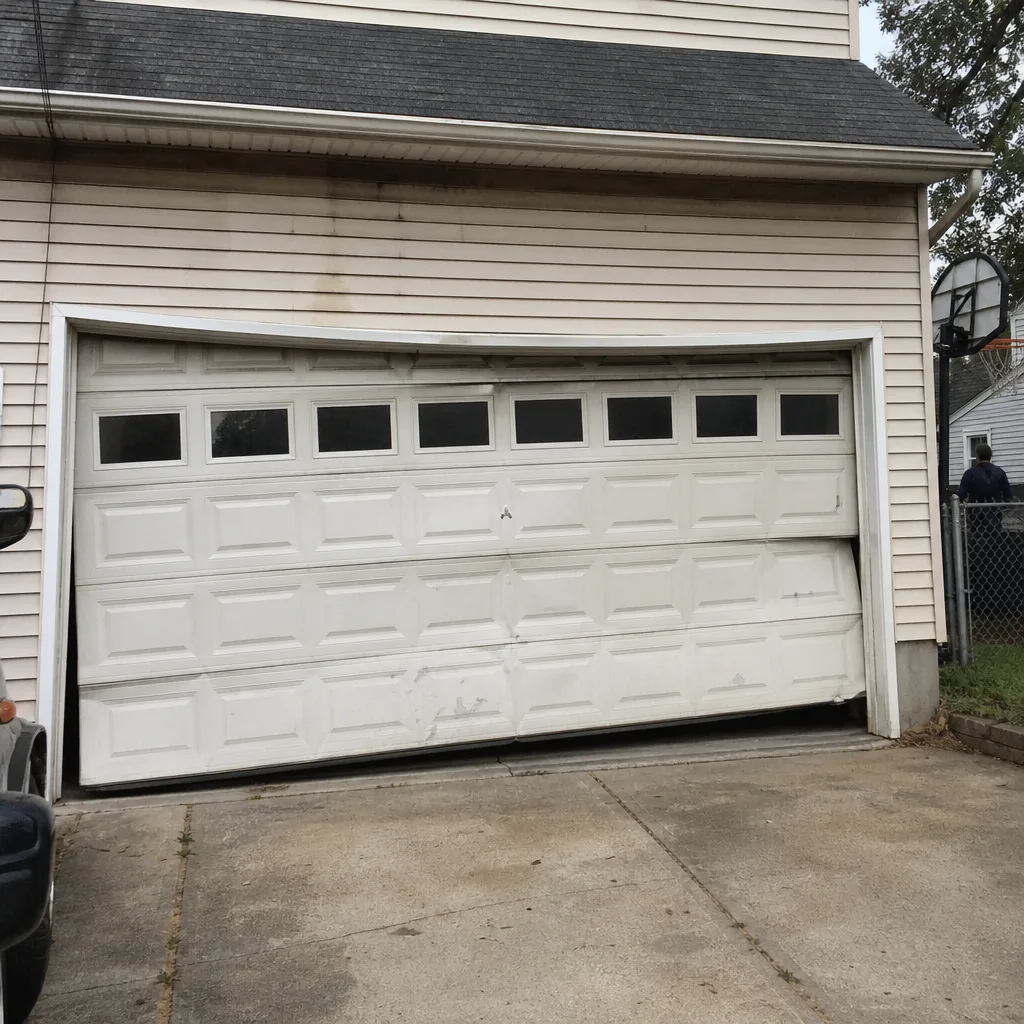 Before
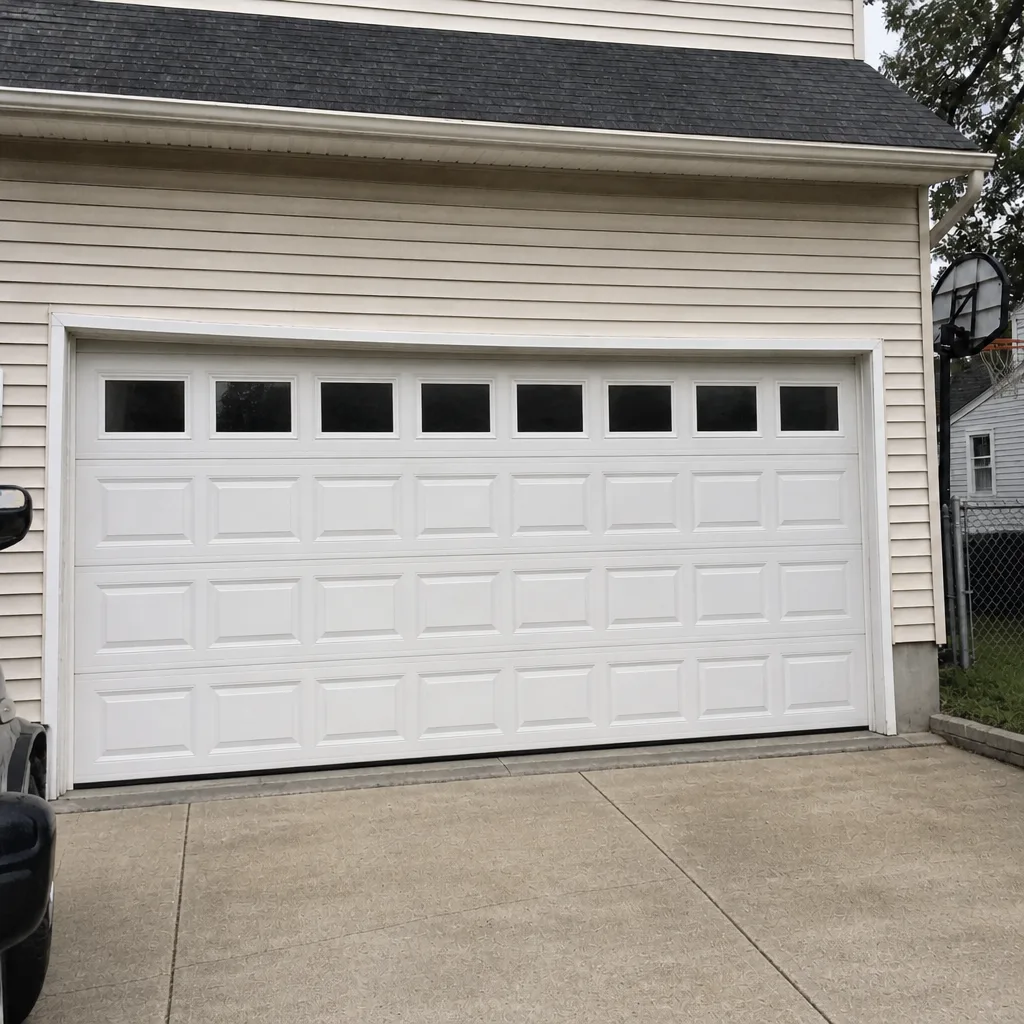 After
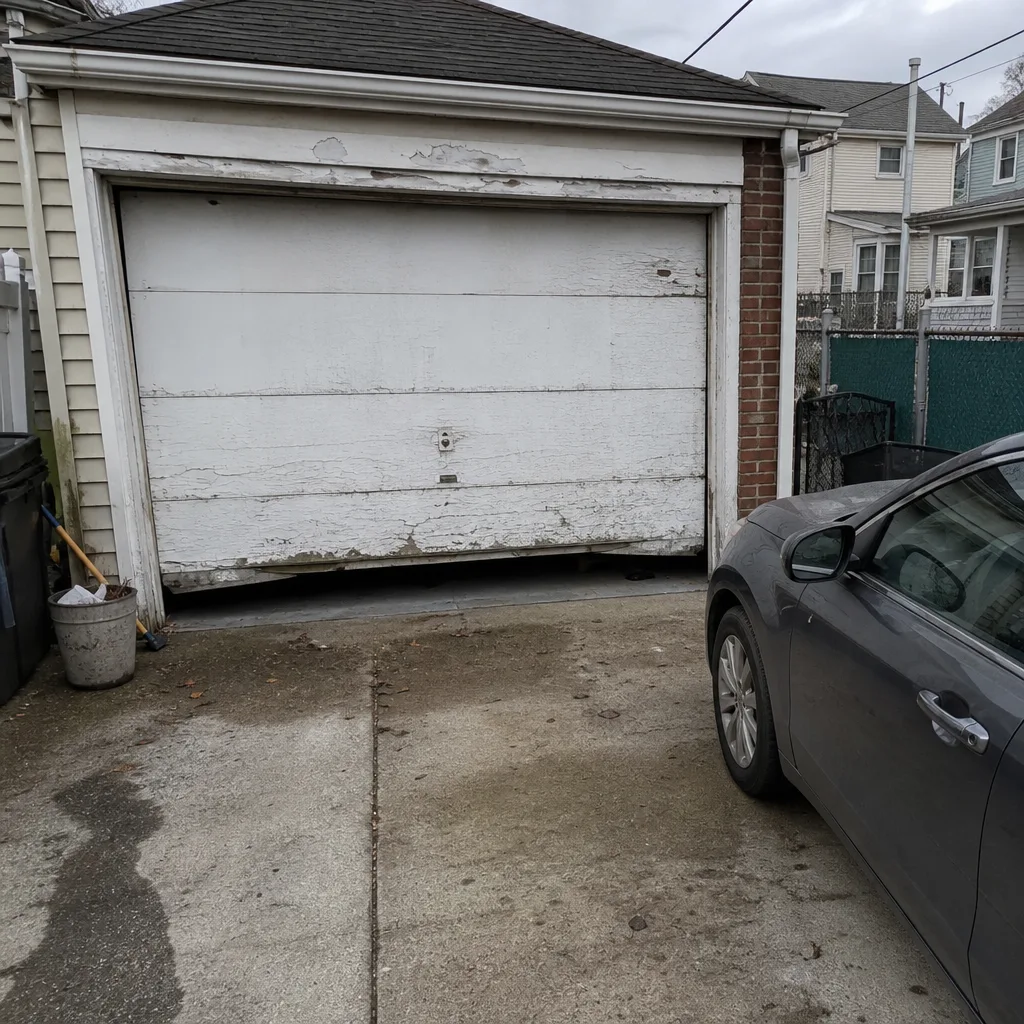 Before
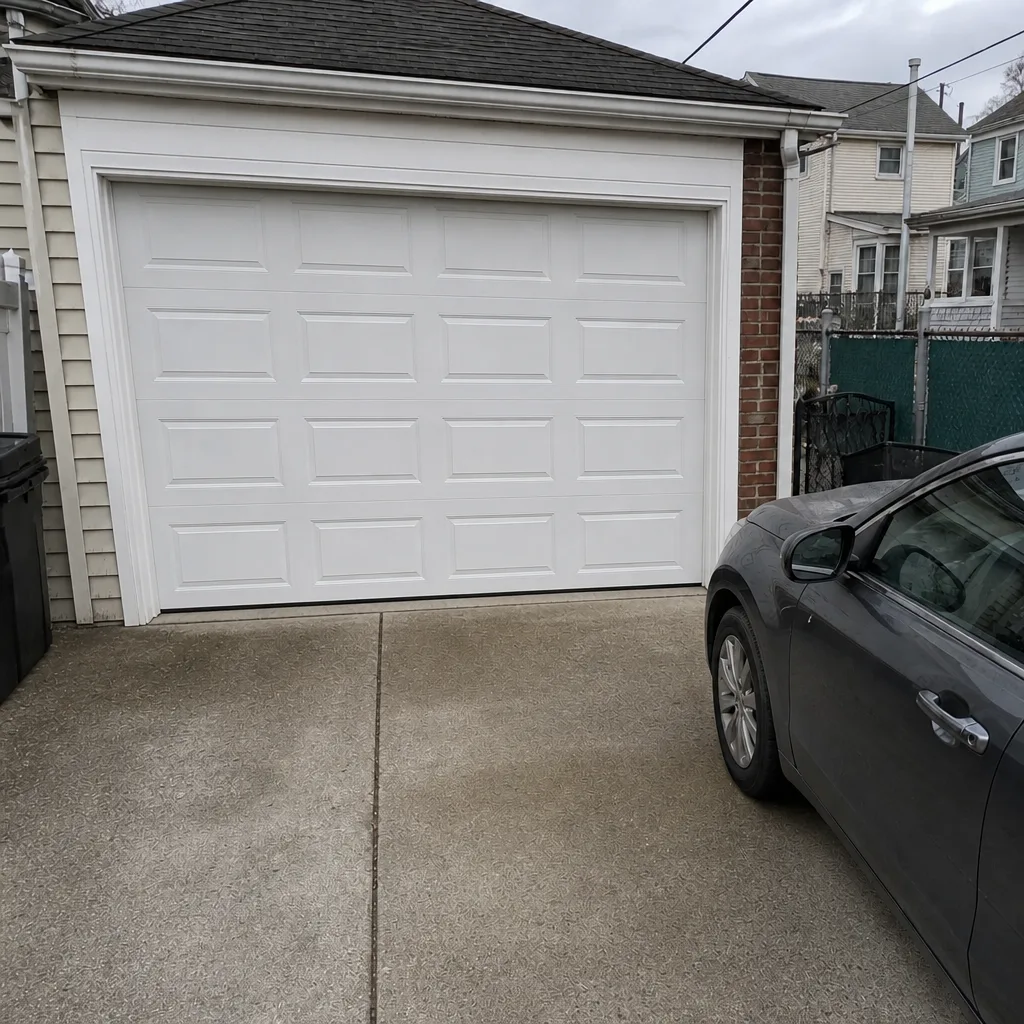 After
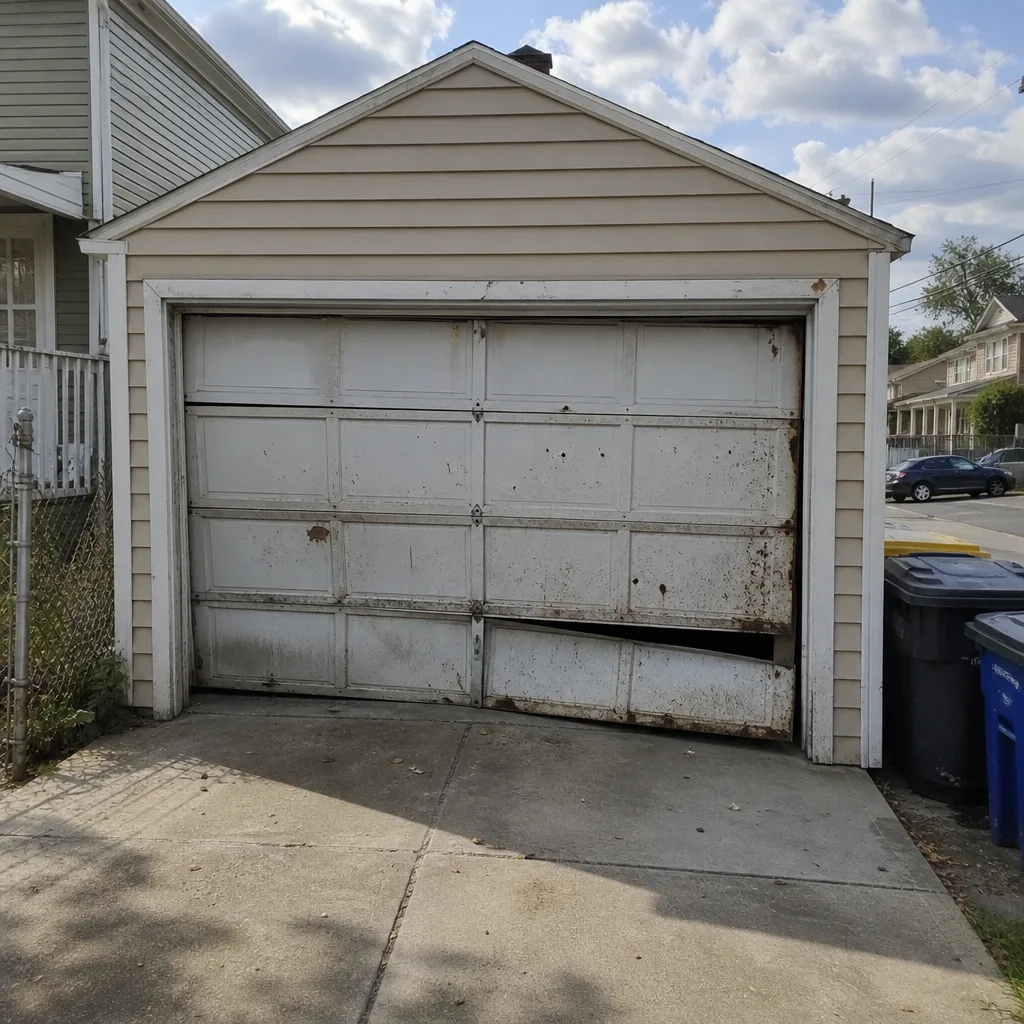 Before
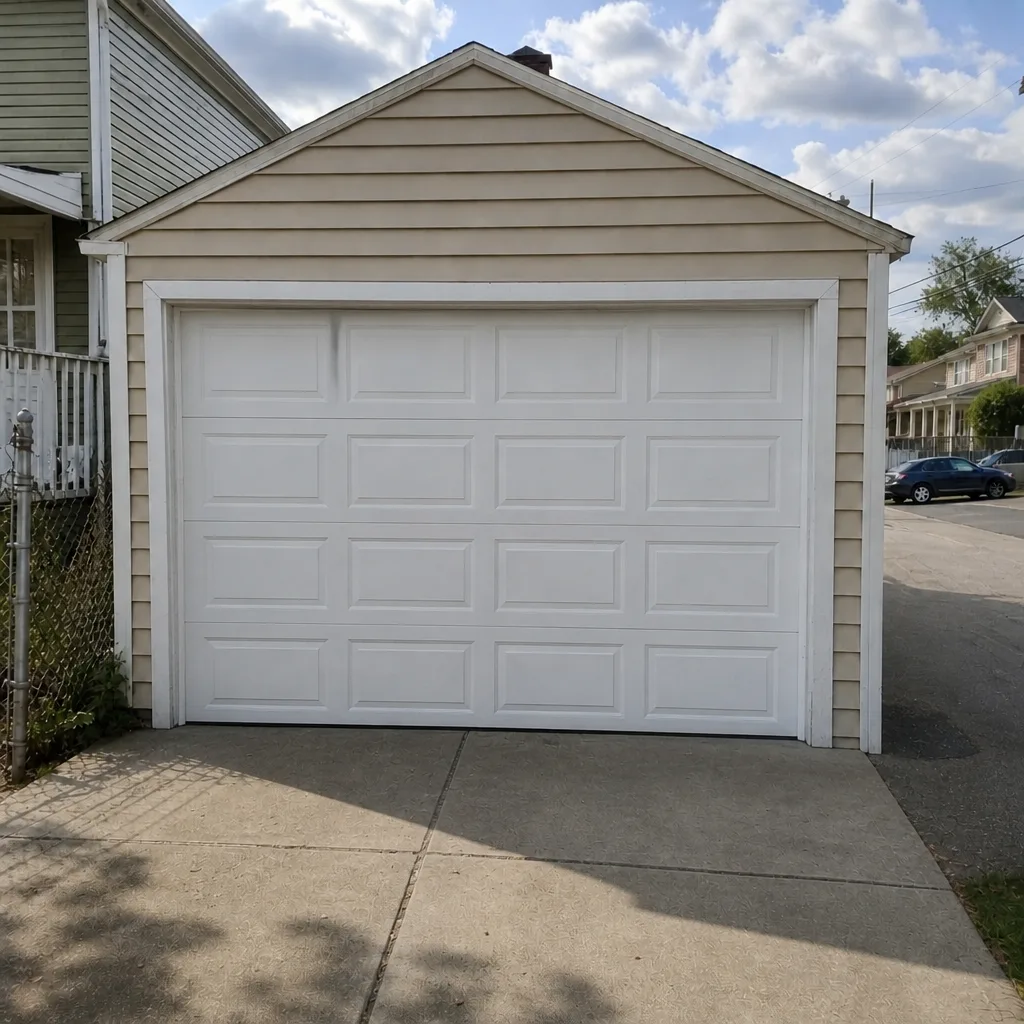 After
Common Mistakes to Avoid
We see these mistakes in Jersey City homes often enough that they’re worth listing plainly.
- Forcing the opener to lift a door with a broken spring. The opener motor isn’t designed to lift the weight the spring normally carries. You’ll burn it out and add a second repair to the first. Stop using the door and call.
- Taping down or bypassing a safety sensor. The beam is the only thing preventing the door from closing on a person, a pet, or a child. A sensor that won’t stay aligned needs a bracket check, not a workaround.
- Lubricating the track. Grease inside the track collects grit, and grit causes the binding you were trying to fix. Lubricate the hinges and rollers, keep the track dry and clean.
- Replacing the whole door when a spring or a cable is the real fault. A door that’s been pronounced “dead” because it won’t lift often just needs a spring. Get a repair-first diagnosis before you spend on a replacement.
- Assuming a slow or reversing door is the opener’s fault. In a shared-driveway neighborhood, a door that’s been bumped out of square will trip the safety reverse long before the opener is actually failing. Diagnose the door before you replace the drive.
- Tightening the door’s own spring to “fix” a heavy door. Spring tension adjustments are a technician job, full stop. A well-meaning tightening can over-pressurize the spring and cause a much worse failure.
- Ignoring a “made a noise but still works” door. A bang followed by normal operation is often a spring that just failed its backup. It’ll operate briefly and then stop. Have it checked before it strands you.
When to Call a Professional
Call a professional for anything that involves spring tension, cable drums, a crooked or sagging door, a door that slams down instead of reversing, and any time the opener runs without moving the door. Call today, not next week, if you saw a cable off its drum or heard a loud bang. For a door that’s simply squeaking or a sensor that’s drifted, you can usually handle it yourself, but a trained eye is worth it if you’ve had a previous spring failure or if the door is more than a decade old and cycling heavily in a dense driveway. If a technician diagnoses a mechanical issue, ask for a repair-first recommendation before you agree to a replacement; a drive system or a spring is a repair, not a new door. Jasper Garage Door Repair offers free estimates in Jersey City. Call (855) 754-6007. We answer 24/7, with fast dispatch from 7am to 7pm, Sunday through Friday, and the written estimate sets the price before any work begins.
Frequently Asked Questions
Because the down travel limit on the opener is set too high, or the safety sensor beam is being interrupted. The opener thinks the floor is higher than it is, or it reads an obstruction, so it reverses. Check the sensor LEDs first; if both are steady and aligned, the down limit needs adjusting. Call (855) 754-6007 for an exact quote if you’d rather have a technician confirm it, estimates are free.
No. A torsion or extension spring is under extreme stored tension, and a DIY attempt can cause serious injury. We strongly recommend a trained technician for any spring repair or adjustment, regardless of how clear a video makes it look. For a spring call, our team can inspect and quote on the spot; call (855) 754-6007 for a free estimate.
It depends on the part and the door, and we quote per job by written estimate, so the price is set before any work starts. The estimate itself is free. Call (855) 754-6007 and tell us the symptom; we’ll tell you what we expect to find and what it typically runs for your setup.
If the motor runs but the door doesn’t move, the fault is mechanical: spring, cable, or drive. If the door moves but reverses, it’s usually sensor or travel-limit logic. If the motor is silent, it’s electrical or the logic board. We diagnose both the door and the opener in one visit, so you’re not bouncing between two contractors. Call (855) 754-6007 to book a free estimate.
Same-day service is often possible for repair calls. We answer 24/7, and fast dispatch runs from 7am to 7pm, Sunday through Friday. A call outside dispatch hours is booked into the next opening. Call (855) 754-6007 to check availability.
No. The written estimate sets the price before any work starts. We inspect, diagnose, and quote first. If we find something different than we expected, we tell you before we touch anything. Call (855) 754-6007 for a free estimate, and our Jersey City team will walk you through the whole setup.
The Bottom Line
Most garage door problems are readable if you work backward from the symptom. Sensors and travel limits cause the most false alarms, rollers and tracks cause the most noise, and springs and cables cause the most real danger. Fix the first two groups yourself, monitor the “still works but sounds different” cases, and call for anything involving spring tension, cable drums, a sagging door, or a slamming door. When the diagnosis is unclear or the fix feels bigger than a DIY job, a repair-first technician can read your door as a sequence rather than a single failure. Call (855) 754-6007 for a free estimate. We answer 24/7, and fast dispatch from 7am to 7pm, Sunday through Friday. We repair the brand you already have.
Written by the team at Jasper Garage Door Repair.