
Last updated November 15, 2026
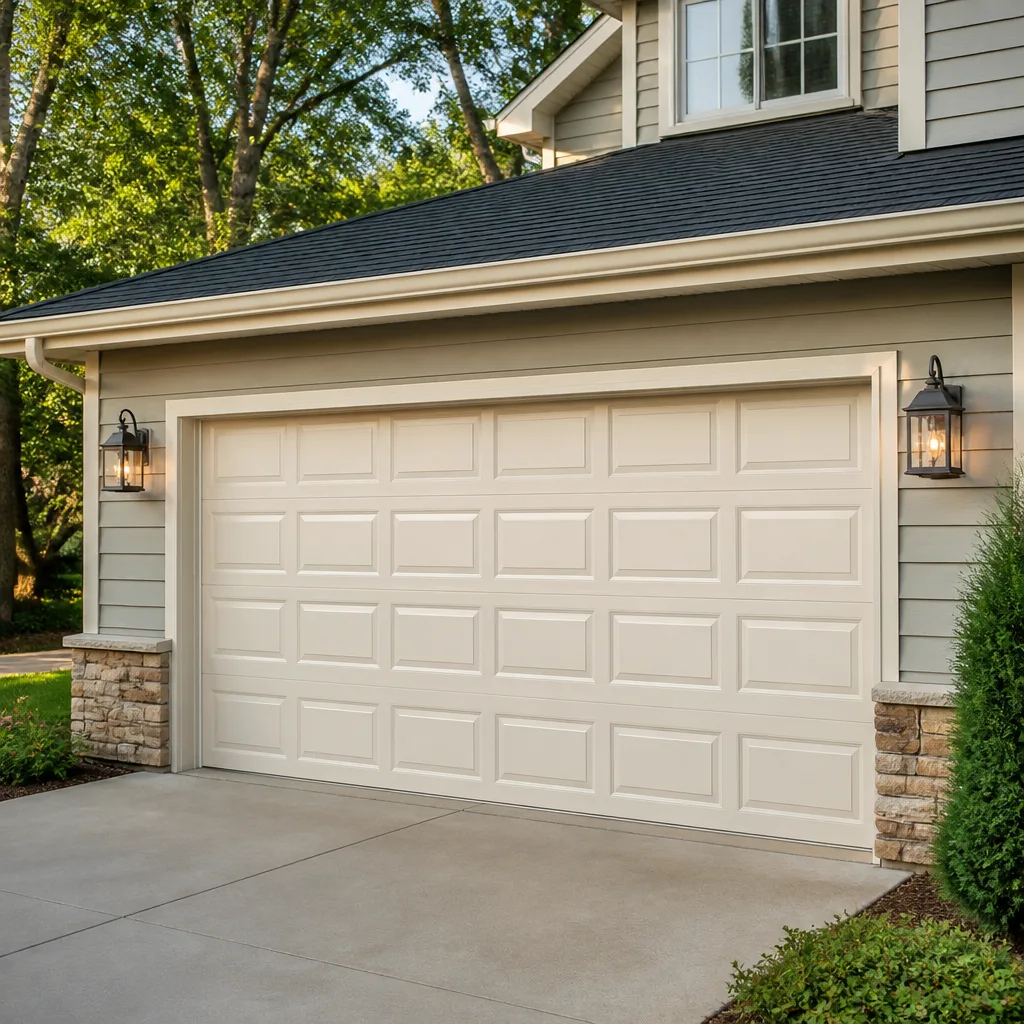 Raised-panel steel
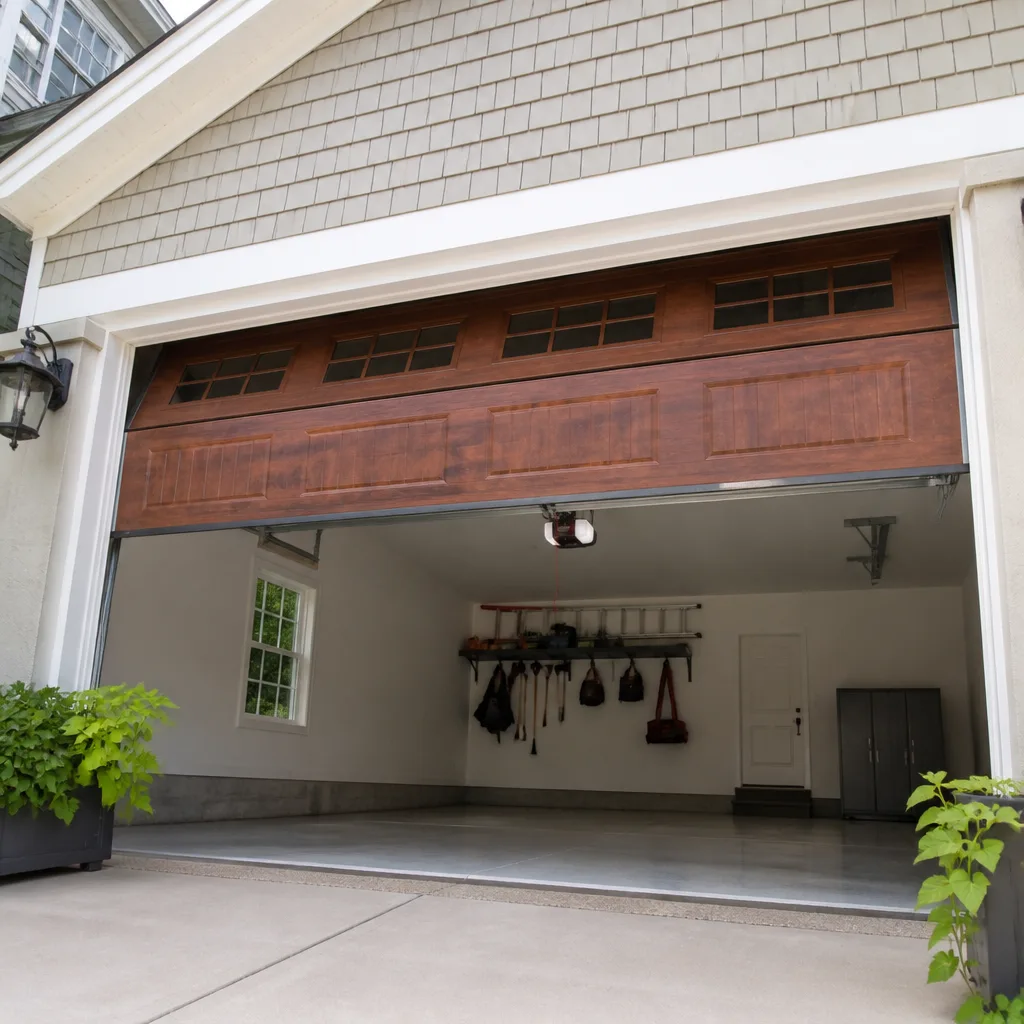
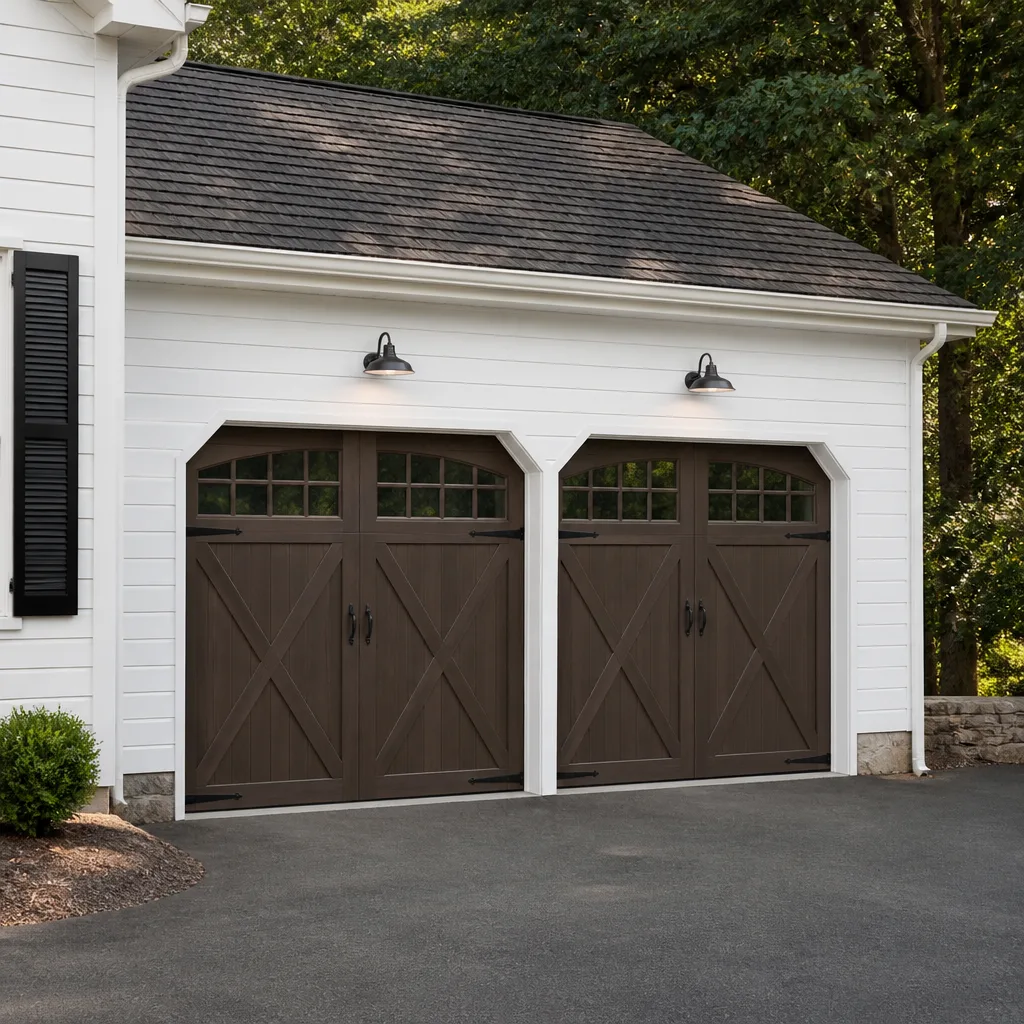 Carriage house
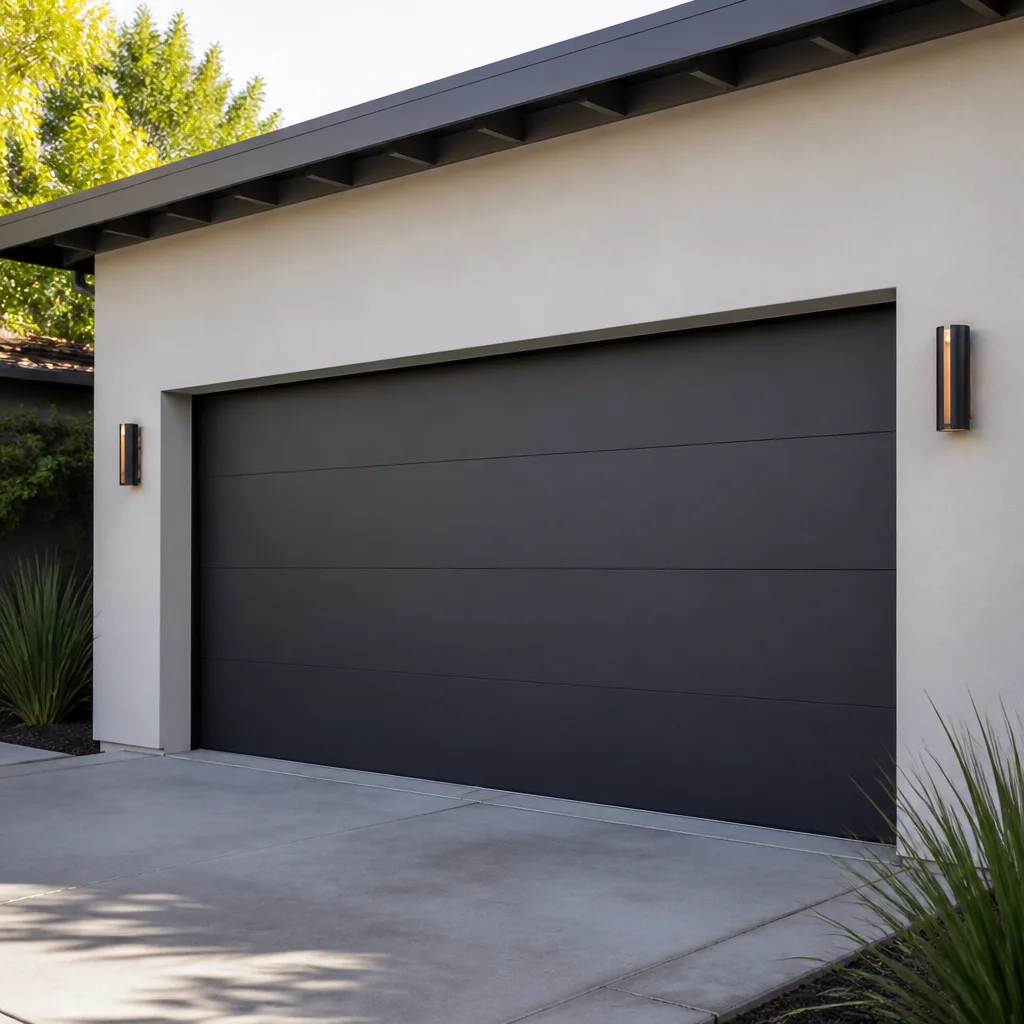 Modern flush
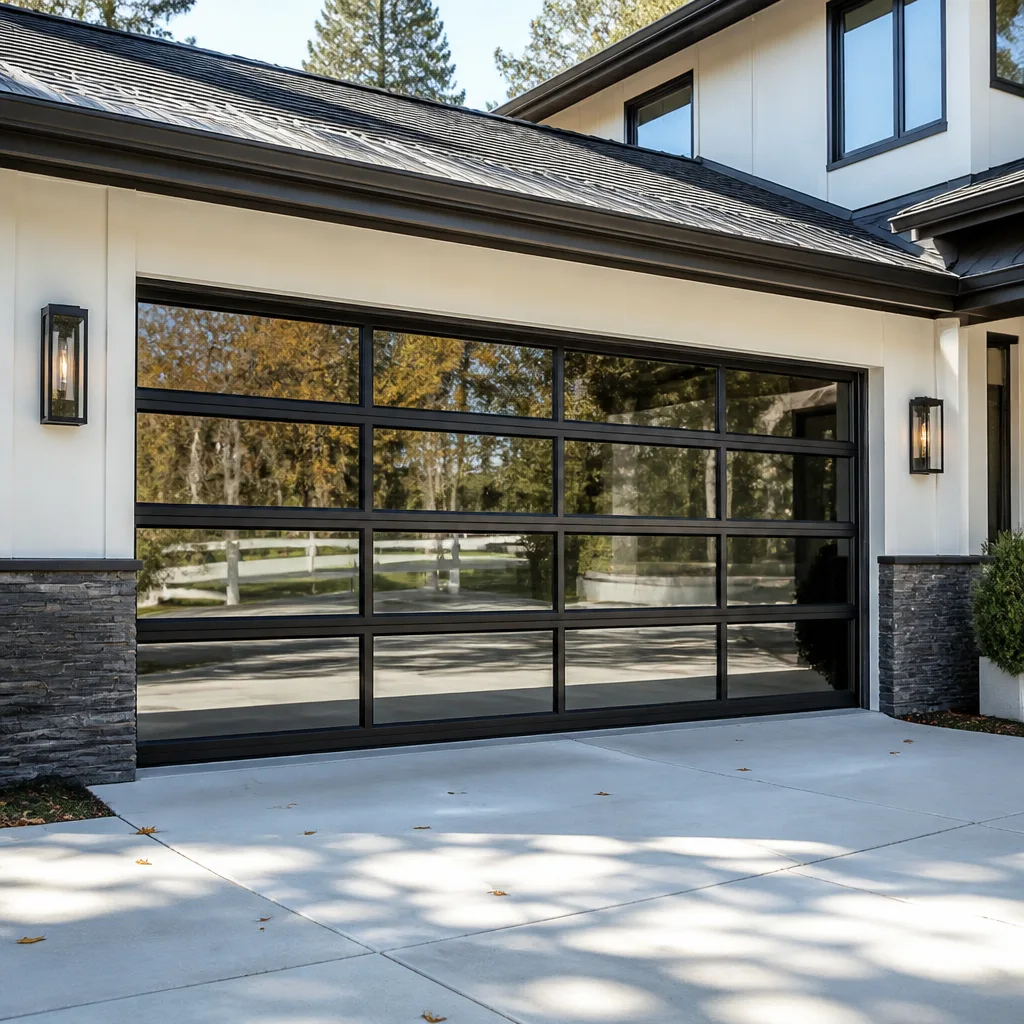 Full-view glass
 LiftMaster openers
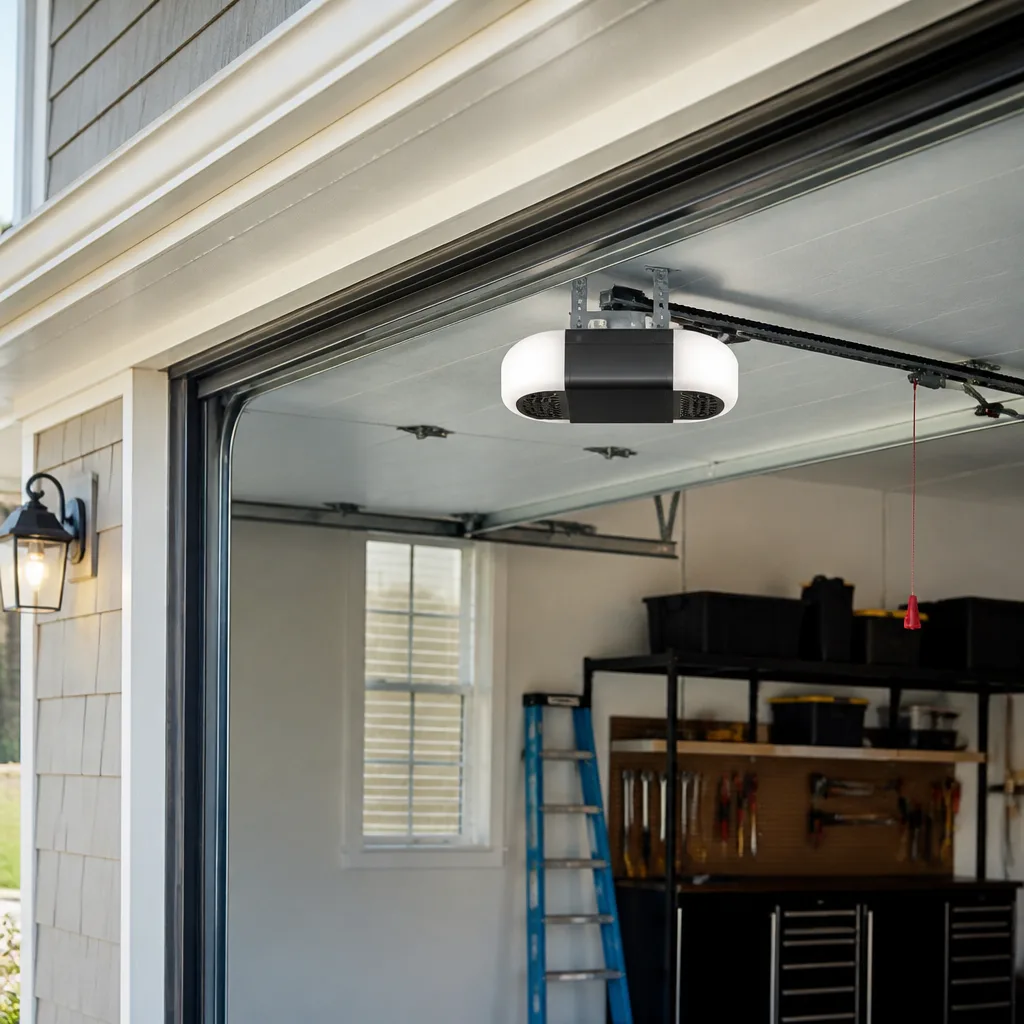 Chamberlain openers
Full 25-point door and opener safety check with every visit - springs, cables, rollers, tracks, and your LiftMaster or Chamberlain opener included
You get a price before we start. It does not change when the pro arrives.
Get your free estimateGarage Door Warning Signs: A Jersey City Homeowner’s Reference Guide
A door that takes two seconds longer to open than it did six months ago isn’t “getting old.” It’s telling you the spring tension is off, and it may have a couple hundred cycles left before it snaps. Most warning-sign guides skip straight to the end of that story: the door won’t open, the car is trapped, everyone’s late. But by the time a door stops moving, it has usually been signaling for months. This guide is organized by the stage of deterioration, so you can catch a slow door while it’s still a cheap repair instead of a broken spring on a workday morning in Jersey City.
Quick Answer
The earliest garage door warning signs are subtle: the door opens a little slower, lifts unevenly, or the opener sounds strained. Mid-stage signs include frayed cables, wobbling rollers, and weatherstrip gaps. Late-stage signs are grinding, a loud bang on open or close, and a door that won’t stay up. Each stage points to a different part failing, and catching it early is the difference between a small fix and a full replacement.
Styles & brands we work with
- Raised-panel steel
- Carriage house
- Modern flush
- Full-view glass
- LiftMaster openers
- Chamberlain openers
Table of Contents
- Early-Stage Warning Signs You Shouldn’t Ignore
- Mid-Stage Warning Signs: Cables, Rollers, and Weatherstrip
- Late-Stage Warning Signs and What Each One Means
- Opener Problem or Door Problem? How to Tell
- Steel Doors in Jersey City: Signs Other Materials Don’t Show
- Why Jersey City’s Climate Stresses a Garage Door
- A Numbered Inspection You Can Run This Month
- Repair or Replace? How We Think About It
Early-Stage Warning Signs You Shouldn’t Ignore
Early-stage signals are easy to miss because nothing has broken yet. The door still opens. The remote still works. But the system is drifting out of balance, and that drift is where most expensive repairs begin. What you’re looking for is a change from how your door behaved a few months ago, not whether it works at all.
Here’s what early trouble looks like:
- Slower travel. A door that used to open in one smooth motion now hesitates or takes noticeably longer. That lag usually points to spring tension or a binding track.
- Uneven lift. Stand back and watch. If one side of the door rises ahead of the other, the torsion or extension springs aren’t balanced.
- Opener strain. The motor labors, the first movement stutters, or you hear the opener working harder than it used to. The drive system is compensating for a door that’s no longer gliding.
- Remote or wall-button hesitation. Sometimes it’s the signal, sometimes the opener’s logic board, sometimes a weak battery. It’s worth knowing which.
- A slight rattle at the start or stop. Loose hardware announces itself quietly first.
Homeowners in Jersey City normalize these changes because they happen gradually. The fix is to stop normalizing them. A trained eye reads a slow, uneven door as a spring or roller issue in seconds, and that early read is what keeps a repair a repair. If you’re noticing any of the above, this is the right time to have a garage door repair technician look at the balance, not after the door quits.
Mid-Stage Warning Signs: Cables, Rollers, and Weatherstrip
Mid-stage signs are visible if you know where to look. This is the point where the door is still functional but the parts are wearing past their safe range. A badly frayed cable or a severely worn roller is a mechanical failure waiting for the next cycle, so catching it here matters.
What to watch for:
- Frayed cables. Look at the cables along the sides of the tracks. Fray or a bird-caging pattern in the wire means the cable is failing.
- Wobbly or noisy rollers. Nylon rollers get flat spots; steel rollers wear and squeal. If the door shudders as it rolls, the rollers are done.
- Weatherstrip gaps. A gap along the bottom or sides lets water and pest in, but it also signals the door isn’t sealing flush, which points to track or hinge drift.
- Tracks out of line. Dents, bends, or a track that’s pulled slightly away from the frame change the door’s path and put strain on everything else.
- Loose hinges and brackets. Hardware that keeps loosening after you tighten it usually means the door is working against a bent track or worn hinge.
Mid-stage problems compound. A wobbling roller wears the track; a bent track strains the spring; a strained spring fails early. When we diagnose a door in Jersey City, we look at the whole chain rather than swapping the single noisy part. Cables and springs are high-tension components, and a trained technician should handle them. If you see fraying, don’t run the door any more than you must.
Late-Stage Warning Signs and What Each One Means
Late-stage symptoms show up when a component has already failed or is about to. Each one points to a specific part, and being able to place the symptom is what tells you whether you’re looking at a repair or a replacement conversation.
Here’s how to read the loudest warning signs:
- Grinding on open or close. Metal-on-metal grinding usually means bearings, rollers, or a track that’s out of line. It’s the door’s moving parts complaining under load.
- A loud bang on opening. A single sharp bang is the classic sound of a broken torsion spring. The door may still lift on the opener afterward, which is dangerous, so stop using it.
- A door that won’t stay up. If the door drops when you let go, the springs have lost their lift.
- The door reverses or won’t close. Often a safety-sensor or opener logic issue, sometimes a misaligned track the door binds on.
- Door hangs crooked. One side down, one side up means a cable has snapped or jumped, or a spring has failed on one side of a pair.
Springs are under extreme tension. Never try to adjust, remove, or replace one yourself. That’s a job for a trained technician with the right tools, and it’s the single most common injury in this trade. If you hear a bang, treat the door as out of service until someone qualified has looked at it. We’ve worked on enough Jersey City doors to know when a bang is a spring and when it’s a cable letting go, and the two need different parts.
Opener Problem or Door Problem? How to Tell
Most overlapping symptoms trace back to the door, not the opener. The opener is a motor. The door is a weighted system of springs, cables, rollers, and track. When the door is heavy or binding, the opener strains to move it and you blame the opener. Learning to separate the two saves you from replacing a motor that was never the problem.
Use these questions to sort it out:
- Does the door move smoothly by hand when the opener is disconnected? If it’s heavy or binds, the door is the issue. If it glides easily, look at the opener.
- Do the lights flash or the opener click but no movement happens? That’s usually the opener’s logic or a safety sensor, not the door.
- Does the door move unevenly? Uneven travel is almost always a balance or spring problem on the door itself.
- Does the wall button work but the remote doesn’t? That’s a remote, battery, or signal issue, not a mechanical one.
- Does the door travel fine but the opener beeps or reverses at the floor? That’s the safety sensors or travel limits.
Opener repair is its own specialty, and it’s one a lot of door companies skip. We handle garage door opener repair as a standalone service, not just as an add-on to a door replacement. Because we work on both the mechanical door and the electronic drive system, we can diagnose a LiftMaster or Chamberlain opener alongside the door in a single visit. That also means we can tell you honestly when the opener is fine and the door needs the attention. One call covers both.
Steel Doors in Jersey City: Signs Other Materials Don’t Show
Steel garage doors reveal wear differently than wood or fiberglass. Where a wood door shows rot or a fiberglass door shows cracks, a steel door often shows it in the panel finish, the seams, and the hardware points. Homeowners who know what to look for catch problems earlier, and that’s especially true in a city where winter road crews and storm runoff leave their mark.
Signs specific to steel doors:
- Paint chalking and fading on the exposed face. Steel absorbs and reflects weather differently, so a fading finish on the street-facing panel is an early clue.
- Rust along the bottom edge and hinges. Standing water at the door’s base and runoff at the hinges are where steel starts to corrode first.
- Dents that spread. A dent in steel puts stress on the panel’s seams, which can telegraph into cracking over time.
- Panel separation at the struts. Steel sections can pull apart when the hardware is out of balance, and you’ll see it as a gap or shadow line.
Wood doors tend to show rot; fiberglass doors tend to show surface cracks; steel doors show corrosion and finish wear. If your steel door is showing rust at the bottom edge, don’t wait for the panel to fail. We service LiftMaster, Chamberlain, Genie, Clopay, Amarr, Wayne Dalton, Craftsman, and Raynor, so we’re familiar with the specific panels and hardware on the brands already on Jersey City homes. If you’re weighing a repair against a full replacement, a technician can tell you whether the panel is salvageable or whether the steel has gone past the point of repair, a decision called in the trade “repair first, replace last.”
Why Jersey City’s Climate Stresses a Garage Door
Jersey City sits between the Hudson River and Newark Bay, and it runs on a wet, four-season climate: hot, humid summers, freezing winters, and plenty of freeze-thaw cycles in between. Those swings do real work on a garage door. Steel panels expand in summer heat and contract in winter cold, and every expansion cycle puts a little more load on springs, cables, and hinges. Winter ice and road grit find their way onto the tracks and into the rollers, and the door has to fight through it every single cycle.
What that means for your door:
- Cold stiffens springs and bearings. A door that feels heavy in February is doing more work to open than it did in July, and that stress is cumulative.
- Freeze-thaw finds the weak seams. Water gets into the smallest gap, freezes, expands, and opens it wider over the season.
- The bottom seal takes the worst of it. Street runoff and salt from winter roads collect at the door’s base, which is why the bottom edge of a steel door is the first place to check.
- Garage interiors in Jersey City swing more than people think. A garage that’s a dehumidified space in summer and a freezing box in winter is a tough environment for any mechanical system.
We see those climate patterns show up across Jersey City neighborhoods, from the older homes around the Heights to the rowhouses of Hamilton Park and the newer builds downtown. In every case, the local conditions shape which parts wear first and how soon. A technician who works this climate routinely can look at a door in July and tell you whether it’s ready for the winter or whether a spring is already on borrowed time. If you notice a heaviness that comes and goes with the seasons, it’s worth having that Jersey City climate checked by someone who works in it.
A Numbered Inspection You Can Run This Month
A monthly walk-around catches most warning signs before they become failures. Here’s a simple inspection you can run without any tools beyond your eyes and ears, starting from a closed door.
- Watch the door open fully. Note the speed and whether it lifts evenly on both sides.
- Listen. Grinding, squealing, rattling, or a stuttering motor are each a different clue.
- Look at the cables along the tracks. Fraying or bird-caging means stop and call.
- Check the rollers and hinges. Wobble, wobble in the track, or visible wear means the hardware is tired.
- Look at the weatherstrip along the floor and frame. Gaps point to track or seal drift.
- Check the bottom edge of the door for rust. First place steel shows trouble.
- Test the safety sensors. The door should reverse when the sensor beam is blocked. If it doesn’t, that’s a call.
- Confirm the door lifts with the opener disconnected. If it’s heavy, the springs are the issue.
Keep a simple log of what you see month to month. A note that the door was smooth in spring and slow in fall is diagnostic gold for a technician, and it’s exactly the kind of history that helps us decide whether you’re in the early or mid-stage of a problem.
Repair or Replace? How We Think About It
The honest answer is: replace only when repair stops making sense, and repair is the default. A single broken spring, a failed cable, a worn roller set, or a tired opener is a repair, and those repairs keep a door in service for years. Replacement comes into the conversation when the door is damaged across multiple systems, when the frame or track structure is compromised, or when the cost of several repairs adds up to more than a new door over the next few years.
Here’s the framework we use:
- One system down, everything else fine? Repair. Springs, cables, rollers, and openers are all repairable in place.
- Multiple systems failing across the door? Get a diagnosis before you commit. Sometimes a full tune-up handles several small issues at once.
- Panel corrosion that’s gone through the steel? That’s a replacement signal.
- Track bent beyond adjustment or the frame compromised? Replacement territory.
- You’ve been told to buy new? Get a second opinion before you do. Plenty of doors get replaced that only needed repair, and “know before you replace” is the frame we work from.
We work on the brands already on your door, so we can repair what’s there instead of steering you into a system you don’t need. If you’re in Jersey City and someone has told you the door is beyond saving, we’ll give you an honest read before you spend on a replacement.
Common Mistakes to Avoid
- Assuming a slow door is “just old.” A change in speed is a specific symptom of spring or balance trouble, and it gets worse, not better, with time.
- Forcing a door that won’t stay up. Running the opener on a door with a failed spring can bend the track or break the cable, turning a small repair into a big one.
- Tightening loose hinges without checking the track. If the track is bent, the hinges will keep loosening no matter how often you tighten them.
- Replacing the opener before diagnosing the door. If the door binds, a new opener will just fail sooner. Diagnose the whole system first.
- Ignoring rust at the bottom edge of a steel door. Corrosion travels along the seams, so a small patch at the base can signal a panel problem.
- Running a door with a frayed cable. A failing cable is a serious safety issue. Stop using the door and have it looked at.
- Waiting until the bang. Jersey City’s freeze-thaw winters are exactly the kind of climate that fails springs early, and a spring that gets attention before it breaks is a much smaller job.
- Hiring a generalist for a brand-specific system. A Raynor or Genie setup has its own components. The right technician knows your brand, not a generic substitute.
See the difference
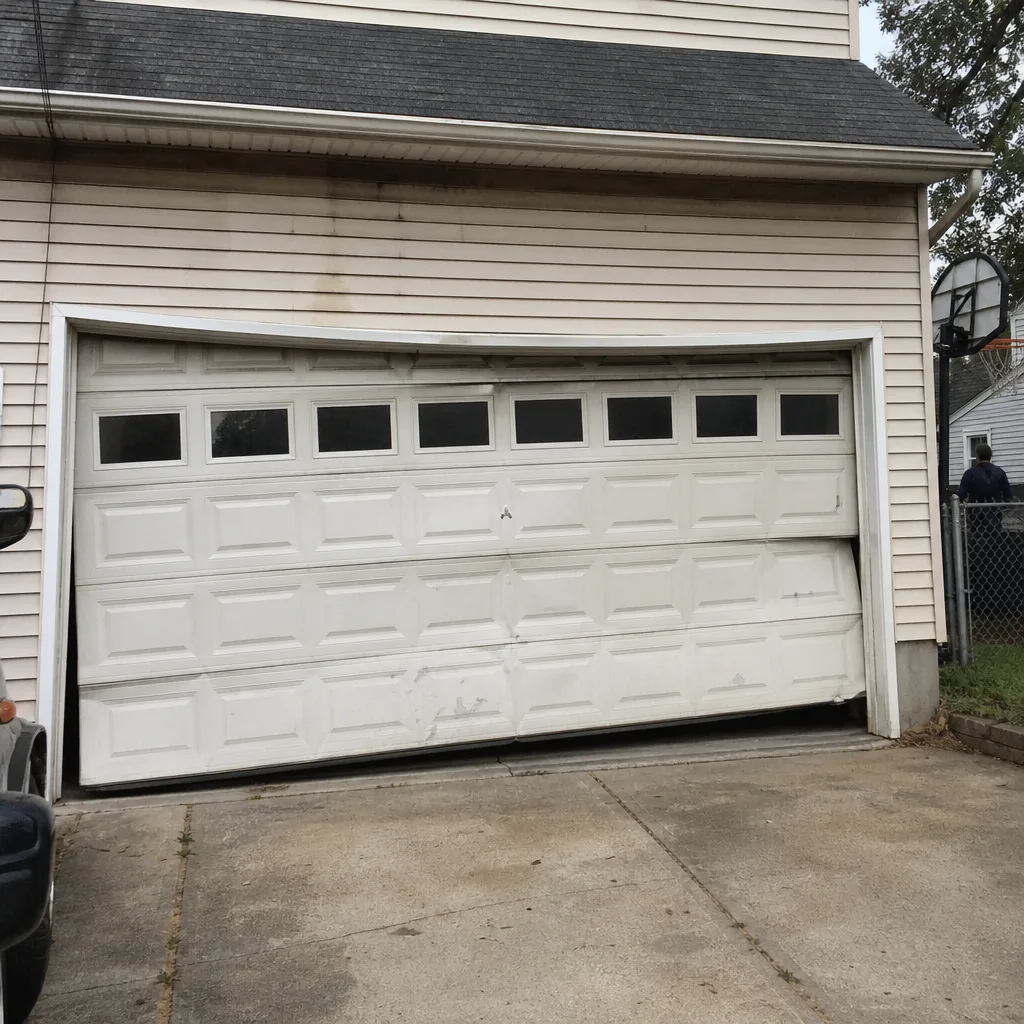 Before
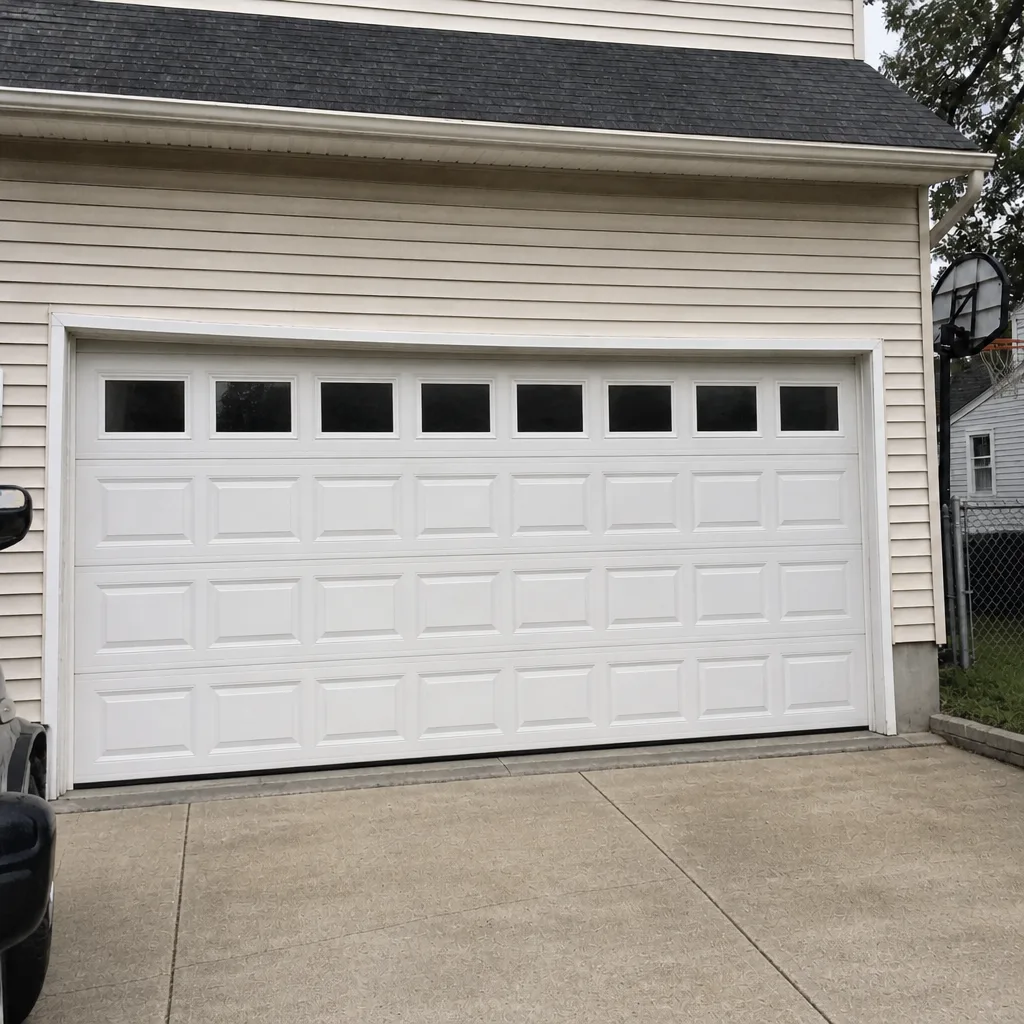 After
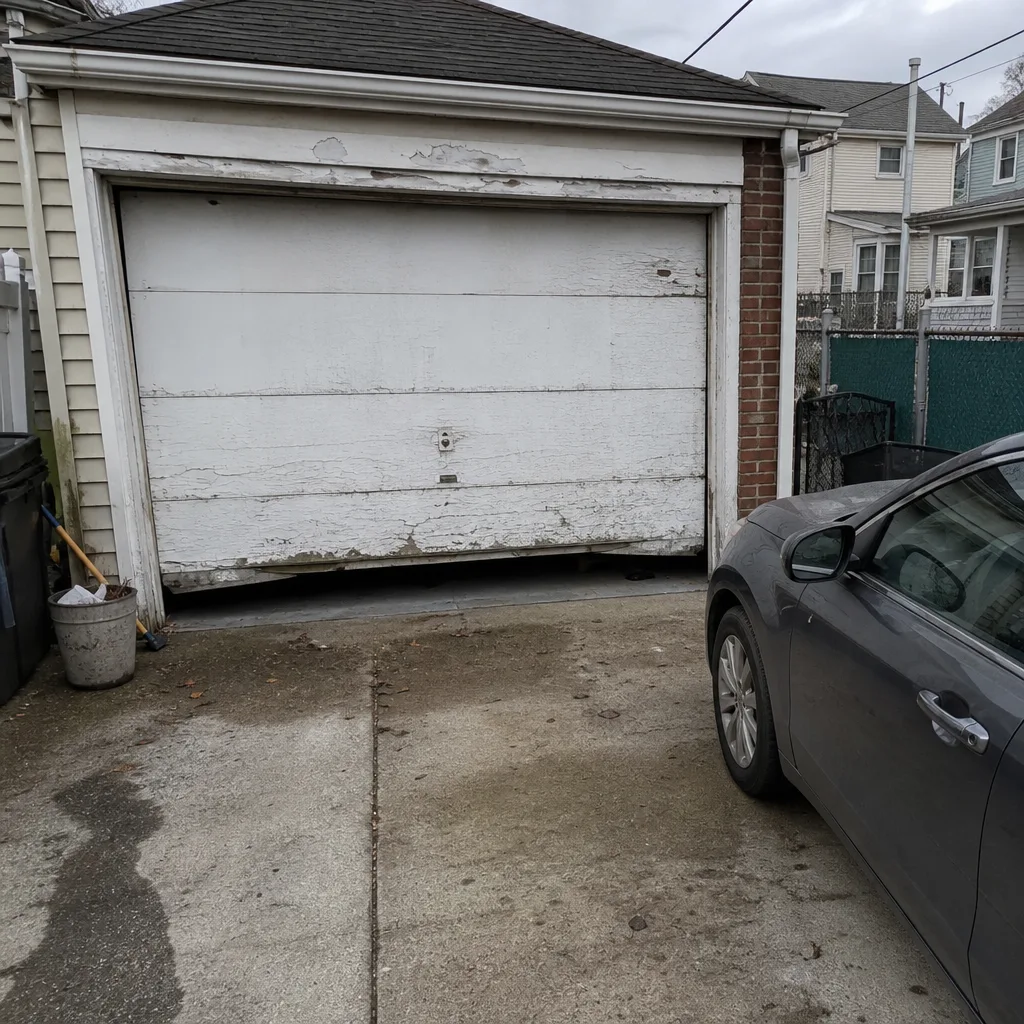 Before
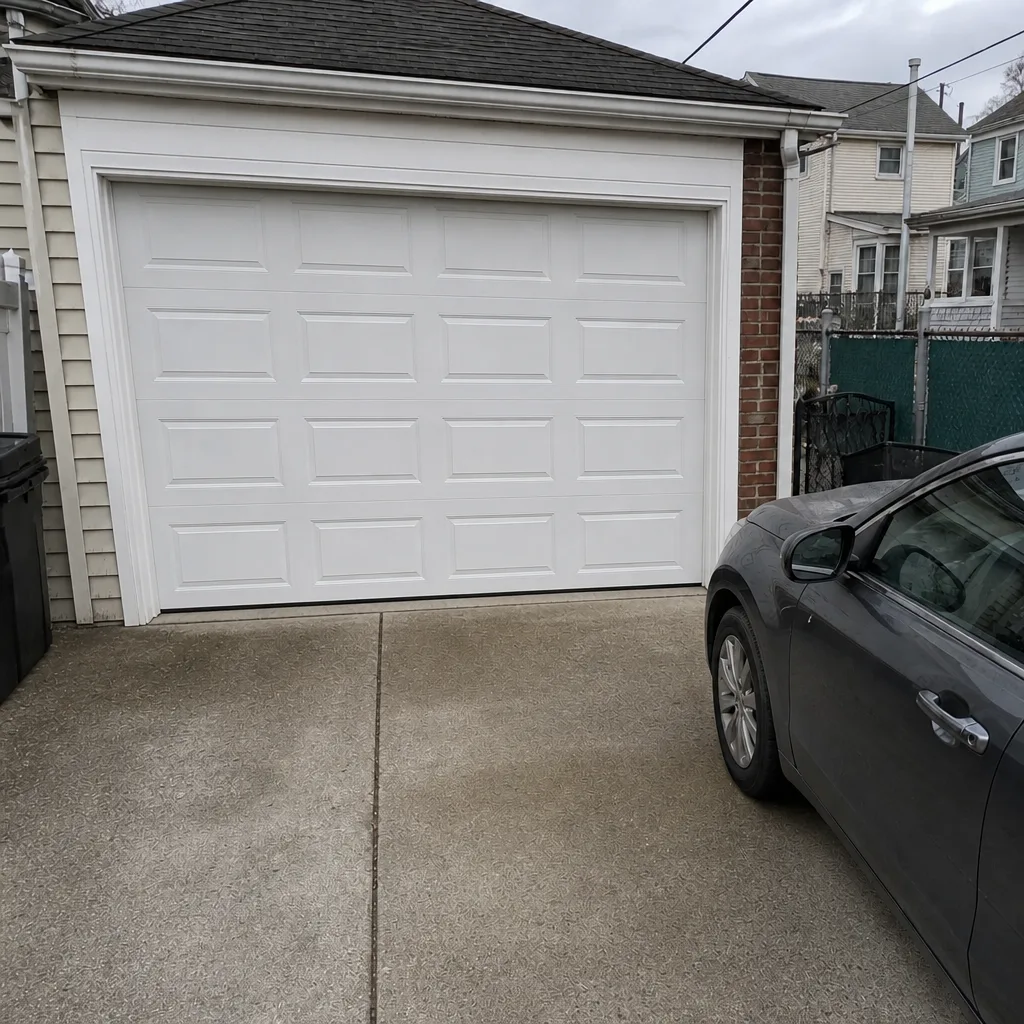 After
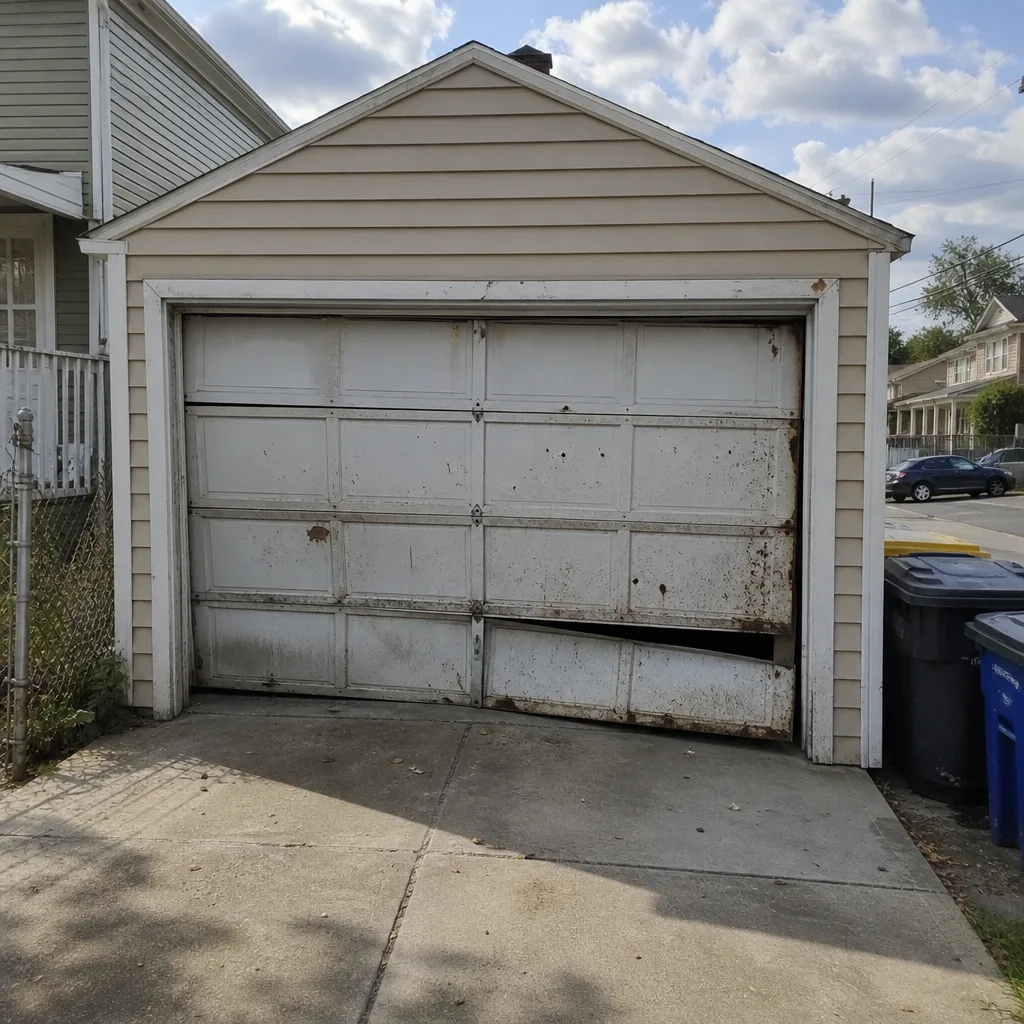 Before
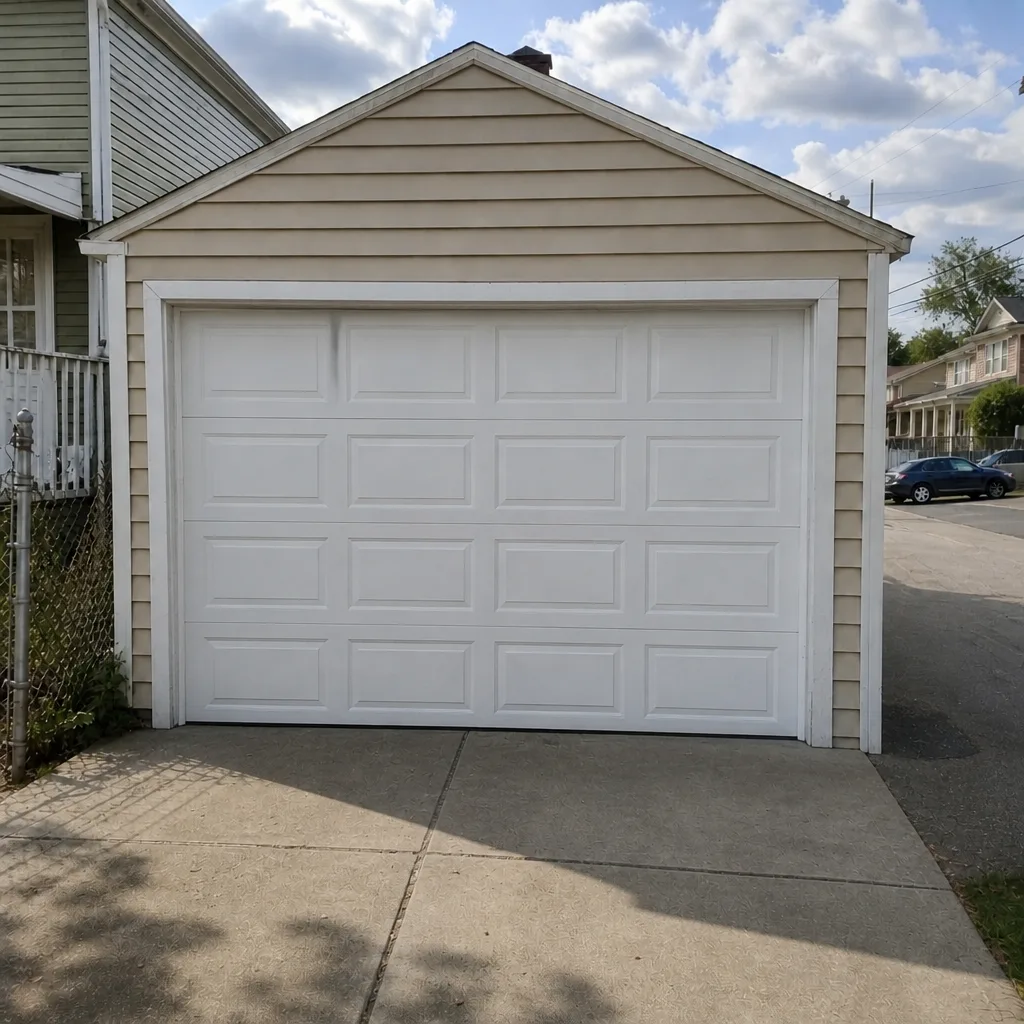 After
When to Call a Professional
Call when you see a frayed cable, a door that won’t stay up, a loud bang on opening, grinding, a door that hangs crooked, or a door that’s noticeably heavier than it used to be. Spring and cable work is genuinely dangerous, and there’s no safe do-it-yourself shortcut. Call when the opener strains, when lights flash but nothing moves, when the door reverses on its own, or when the safety sensors stop responding. And call if you’ve been told the door needs replacing and you’re not sure that’s true. Jasper Garage Door Repair offers free estimates in Jersey City. Our technicians have up to 11 years of experience and work on the door and the opener together, so one visit diagnoses the whole system. We answer 24/7, and fast dispatch runs from 7am to 7pm, Sunday through Friday. Call (855) 754-6007.
Frequently Asked Questions
A slower, uneven, or heavier door is the first sign, and it usually points to spring tension or balance problems. It shows up weeks or months before anything breaks, and it’s the best window to catch a small repair before it becomes a big one. Call (855) 754-6007 for an exact quote, and estimates are free.
Most springs are rated by cycles, not years, and a typical residential door runs a few thousand cycles before the spring is worn. Jersey City’s freeze-thaw climate adds load to every cycle, so a door that feels heavy in winter may be aging faster than the calendar suggests. If the door moves unevenly, have it checked before the spring fails. Call (855) 754-6007, and estimates are free.
Not necessarily. A door that binds, has lost spring tension, or has worn rollers makes any opener strain, and replacing the opener alone won’t fix it. Disconnect the opener and try the door by hand: if it’s heavy, the door is the problem. Call (855) 754-6007 for a diagnosis, and estimates are free.
No. Springs are under extreme tension and can cause serious injury if handled without the right tools and training. This is the one garage door repair you should always leave to a technician. Call (855) 754-6007, and estimates are free.
Yes. We service LiftMaster, Chamberlain, Genie, Clopay, Amarr, Wayne Dalton, Craftsman, and Raynor equipment, among others. That means we diagnose the door and the drive system together instead of steering you toward parts we happen to carry. Call (855) 754-6007 for an exact quote, and estimates are free.
Estimates are free, and the price for any repair is set per job by a written estimate you agree to before work starts. The written estimate is the price. Call (855) 754-6007 for an exact quote.
Road runoff and winter salt collect at the door’s base, and the freeze-thaw cycle in Jersey City works at the seams, so the bottom edge is where steel doors show corrosion first. Small patches are worth checking before they spread into the panel. Call (855) 754-6007, and estimates are free.
The Bottom Line
Most garage door failures are a story with a beginning, and that beginning is a door that feels a little different than it used to. A slower lift, an uneven edge, a strained opener, a worn roller, or a whisper of rust at the bottom edge of a steel door is the early chapter. Frayed cables and wobbly rollers are the middle. A bang, a grind, or a door that won’t stay up is the end. Catching the story early is the whole point of this guide. If any of these signs show up on your Jersey City door, Jasper Garage Door Repair is ready to look at the door and the opener together. Jasper Garage Door Repair connects you with trained technicians who work on your brand, repair first, and price the job with a written estimate you approve before any work starts. Call (855) 754-6007 to get started.
Written by the team at Jasper Garage Door Repair.